Making the shift to a fully off-grid lifestyle is a major decision that requires careful planning, adaptability, and a willingness to learn new skills. For many, the appeal lies in achieving greater self-sufficiency, reducing reliance on public utilities, and embracing a simpler, more intentional way of living. Whether you’re motivated by sustainability, independence, or a desire to escape the fast pace of modern life, understanding the essentials of how to live off-grid full time is crucial for long-term success.
This article covers the core aspects of thriving off the grid, from choosing the right land and building shelter to managing water, power, food, and legal considerations. If you’re just beginning your journey, you may also find value in the complete guide to off-grid homesteading, which offers a comprehensive overview for beginners and seasoned homesteaders alike.

Choosing the Right Land for Off-Grid Living
The foundation of a successful off-grid lifestyle starts with selecting suitable land. Factors such as climate, soil quality, water sources, and legal restrictions all play a significant role in your daily life and long-term sustainability. Ideally, look for a property with:
- Reliable access to fresh water (springs, wells, or streams)
- Good sunlight exposure for solar energy
- Fertile soil for gardening and livestock
- Reasonable proximity to resources and emergency services
- Clear zoning laws that permit off-grid structures and activities
Before purchasing, research local regulations. Some areas have strict building codes or utility hookup requirements. For more details on legal aspects, see can you live off-grid legally for a breakdown of laws and compliance tips.
Building Shelter and Infrastructure
Constructing a comfortable and efficient shelter is a top priority. Many off-grid dwellers choose cabins, tiny homes, yurts, or earthships, depending on climate and budget. When planning your build:
- Prioritize insulation and passive solar design to minimize heating and cooling needs
- Use locally sourced or reclaimed materials when possible
- Design for durability and low maintenance
- Consider future expansions or additions
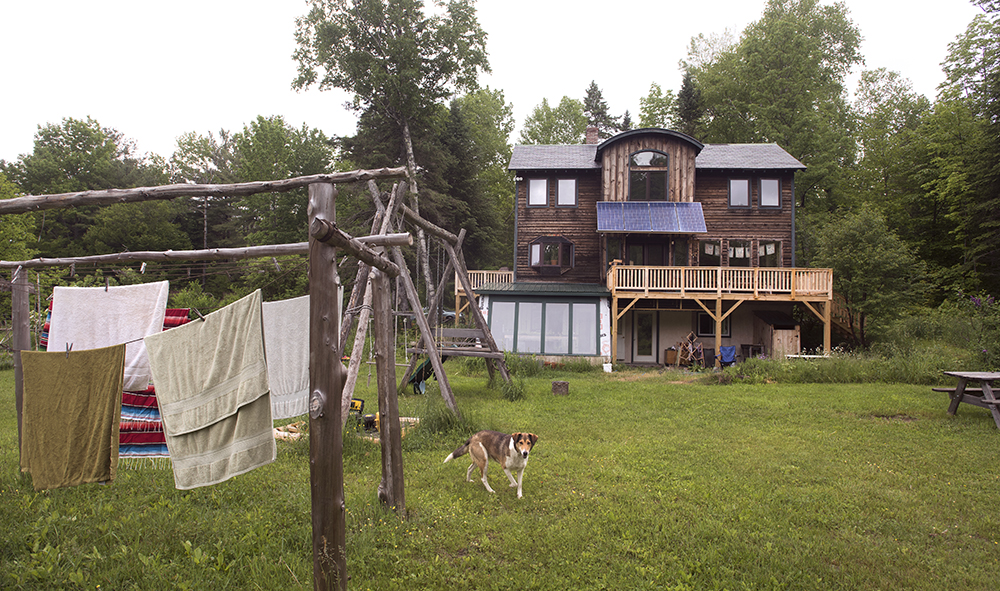
Infrastructure goes beyond shelter. Plan for storage, workshops, animal housing, and secure food preservation areas. For those seeking inspiration, the best states for off-grid homesteading can offer ideas on location-specific building strategies.
Water Collection and Management
Reliable water is non-negotiable. Off-grid homesteaders often rely on a mix of rainwater harvesting, wells, and natural springs. To ensure year-round supply:
- Install gutters and storage tanks for rainwater collection
- Test and maintain wells regularly
- Use gravity-fed or solar-powered pumps to reduce energy needs
- Implement filtration and purification systems for drinking water
- Practice water conservation through efficient fixtures and mindful use
Greywater systems can recycle water from sinks and showers for irrigation, further reducing waste and supporting your garden.
Generating and Managing Off-Grid Power
Energy independence is a cornerstone of living off the grid. Most people use a combination of solar panels, wind turbines, and backup generators. When setting up your power system:
- Calculate your daily and seasonal energy needs
- Invest in quality batteries for storage
- Use energy-efficient appliances and LED lighting
- Consider backup options for cloudy or calm days
- Monitor usage and adjust habits to avoid shortages
For a deeper dive into emergency preparedness, including medical supplies and backup systems, visit off-grid medical preparedness.
Food Production and Storage for Year-Round Self-Sufficiency
Growing your own food is both rewarding and essential for a sustainable off-grid lifestyle. Start with a manageable garden, expand into perennial crops, and consider raising chickens, goats, or other livestock as your skills grow. Key practices include:
- Rotating crops and using companion planting to maintain soil health
- Building raised beds for improved drainage and easier maintenance
- Preserving harvests through canning, drying, fermenting, and root cellaring
- Protecting food stores from pests and weather extremes
Investing in tools and infrastructure, such as greenhouses or cold frames, can extend your growing season and increase resilience. For more tips and practical advice, check out this resource on off-grid homestead food production.
Waste Management and Sanitation Solutions
Proper waste handling is vital for health and environmental protection. Off-grid residents commonly use composting toilets, greywater systems, and managed waste pits. Considerations include:
- Choosing a composting or incinerating toilet for minimal water use
- Separating greywater and blackwater for safe disposal or reuse
- Composting organic waste to enrich garden soil
- Safely storing and disposing of non-compostable materials
Regular maintenance and adherence to local health codes are essential for long-term success.
Staying Healthy and Safe Off the Grid
Living remotely means taking responsibility for your own safety and well-being. This involves:
- Keeping a well-stocked first aid kit and learning basic medical skills
- Establishing emergency communication plans
- Preparing for natural disasters and extreme weather
- Maintaining tools and equipment for repairs
- Building relationships with neighbors for mutual support
For more on how much land is needed to support your off-grid lifestyle, see how much land needed for off-grid homestead.
Financial Planning and Earning Income Remotely
While living off the grid can reduce expenses, some costs are unavoidable. Budget for property taxes, maintenance, seeds, tools, and occasional upgrades. Many off-grid homesteaders earn money through:
- Remote work or freelancing
- Selling produce, eggs, or handmade goods
- Offering workshops or tours
- Online content creation (blogging, videos, courses)
Diversifying income streams increases resilience and allows you to invest in your homestead over time.
Adapting to the Off-Grid Lifestyle
Thriving off the grid is as much about mindset as it is about skills and infrastructure. Expect a learning curve and be prepared to adapt as you encounter challenges. Key habits for success include:
- Continuous learning and skill-building
- Patience and flexibility in the face of setbacks
- Building routines for daily chores and seasonal tasks
- Celebrating small victories and progress
Connecting with other off-grid enthusiasts, both online and locally, can provide valuable support and inspiration as you navigate your journey.
Frequently Asked Questions
What are the biggest challenges of living off-grid full time?
The most common difficulties include managing unpredictable weather, ensuring a steady water and food supply, maintaining energy systems, and handling isolation. Planning, redundancy, and ongoing education help address these challenges.
Is it legal to live off the grid everywhere?
Laws vary widely by location. Some regions have strict codes regarding building, waste disposal, and utility connections. Always research local regulations before making the move. For more details, refer to the section on legal considerations above.
How much money do I need to start living off-grid?
Costs depend on land prices, infrastructure choices, and your level of self-sufficiency. Some start with modest means and build gradually, while others invest heavily upfront. Careful budgeting and prioritizing essential systems can help manage expenses.