
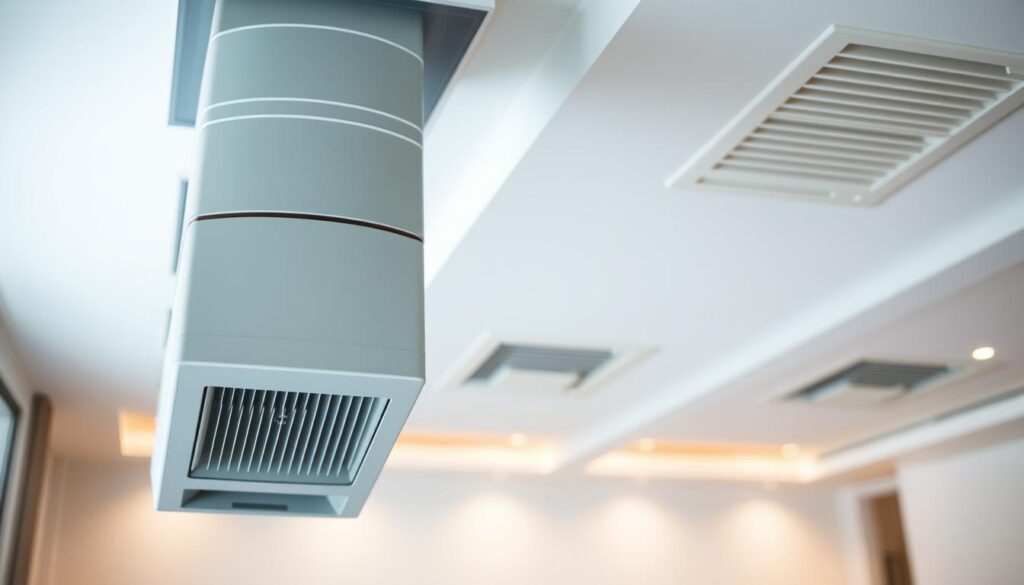

As energy costs rise and environmental concerns grow, more homeowners and builders are turning to natural cooling through ventilation as a practical solution for maintaining comfortable indoor temperatures. This approach uses the movement of air—without relying heavily on air conditioning—to reduce heat buildup inside buildings. By harnessing natural airflow, it’s possible to create healthier, more sustainable living spaces that are both cost-effective and environmentally friendly.
In this article, we’ll explore the principles behind passive cooling, the different types of ventilation systems, and actionable strategies for optimizing airflow in homes and buildings. Whether you’re planning a remodel or simply want to improve comfort, understanding how to use ventilation for cooling can make a significant difference.
For those considering kitchen upgrades, integrating airflow strategies can complement other design improvements. For example, see these kitchen remodeling visual balance tips to create harmonious, functional spaces that benefit from better ventilation.
How Ventilation Supports Passive Cooling
At its core, passive cooling relies on the movement of fresh air to remove heat from indoor spaces. Unlike mechanical air conditioning, this method uses natural forces—such as wind and temperature differences—to drive airflow. The result is a reduction in indoor temperatures without the high energy consumption associated with traditional cooling systems.
Effective ventilation can be achieved through several means:
- Cross-ventilation: Placing windows or vents on opposite sides of a room to allow air to flow straight through, carrying heat out.
- Stack ventilation: Using vertical openings (like skylights or high vents) to let warm air rise and escape, drawing in cooler air from below.
- Night flushing: Opening windows or vents at night to let in cooler air, which absorbs heat from building materials and cools the space for the next day.
Types of Ventilation Systems for Natural Cooling
There are several systems and strategies that can be used to enhance natural cooling through ventilation. The right choice depends on building design, climate, and user needs.
1. Whole House Fans
Whole house fans are installed in the ceiling and draw cooler outside air through open windows, pushing hot air out through attic vents. This method is especially effective in climates with cool evenings and nights.

2. Exhaust and Supply Vents
Exhaust vents, such as those found in kitchens and bathrooms, remove warm, humid air from inside. Supply vents bring in fresh, cooler air from outside. When balanced correctly, these systems can significantly improve indoor air quality and comfort.
3. Window and Door Placement
Strategic placement of windows and doors is key for maximizing airflow. Large, operable windows on opposite sides of a room or building encourage cross-ventilation. Louvered doors and transoms above doors can also help move air between rooms.
Design Strategies for Enhanced Airflow
The effectiveness of ventilation for natural cooling depends on thoughtful design and planning. Here are some practical strategies:
- Orientation: Positioning a building to take advantage of prevailing winds can boost natural airflow.
- Shading: Using overhangs, awnings, or trees to shade windows reduces solar heat gain and keeps incoming air cooler.
- Thermal mass: Materials like concrete or brick absorb heat during the day and release it at night, working in tandem with night ventilation to cool interiors.
- Open floor plans: Fewer interior walls allow air to flow more freely throughout the space.
Benefits of Natural Cooling Approaches
Adopting natural cooling through ventilation offers several advantages:
- Energy savings: Reduces reliance on air conditioning, lowering utility bills.
- Improved air quality: Regular air exchange helps remove indoor pollutants and moisture.
- Environmental impact: Decreases greenhouse gas emissions by cutting down on electricity use.
- Comfort: Provides a gentle, consistent cooling effect without the dryness or noise of mechanical systems.
Common Challenges and Solutions
While natural ventilation is effective, there are some challenges to consider:
- Climate limitations: In very hot, humid, or polluted environments, passive cooling may need to be supplemented with mechanical systems or filtration.
- Security: Open windows and vents can pose security risks. Solutions include secure window locks, grilles, and using vents that can be closed when needed.
- Allergens and pollutants: In areas with high pollen or outdoor pollution, adding an air filtration kit can help maintain indoor air quality.
Integrating Ventilation with Modern Home Design
Modern homes can blend aesthetics with function by incorporating ventilation features into their design. Sleek ceiling exhaust fans, hidden vents, and automated window systems can all contribute to a comfortable, energy-efficient environment without sacrificing style.
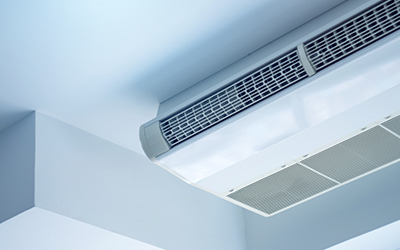
For a deeper understanding of how different home ventilation systems work, visit this comprehensive guide to home ventilation systems.
Maintenance Tips for Effective Ventilation
Keeping your ventilation systems in top shape is essential for ongoing performance. Here are some maintenance tips:
- Clean or replace filters in exhaust fans and air filtration kits regularly.
- Check that vents and windows open and close smoothly, without obstructions.
- Inspect attic and roof vents for blockages from debris or pests.
- Seal gaps around windows and doors to prevent unwanted air leaks when ventilation isn’t needed.
Frequently Asked Questions
What is the difference between natural and mechanical ventilation?
Natural ventilation uses wind and temperature differences to move air through a building, while mechanical systems rely on fans or HVAC equipment. The former is energy-efficient and environmentally friendly, while the latter offers more control in challenging climates.
Can natural airflow replace air conditioning completely?
In many temperate climates, passive cooling strategies can significantly reduce or even eliminate the need for air conditioning. However, in extremely hot or humid regions, a hybrid approach may be necessary for optimal comfort.
How can I improve ventilation in an older home?
Start by ensuring that existing windows and vents are operable. Adding ceiling exhaust fans, installing whole house fans, or using portable air filtration kits can all enhance airflow and indoor air quality in older structures.
Are there design considerations for combining ventilation with kitchen remodeling?
Absolutely. Integrating proper airflow into kitchen layouts not only helps with cooling but also removes cooking odors and moisture. For inspiration, check out these kitchen remodeling cleaning zone layout ideas to create a more functional and comfortable space.
