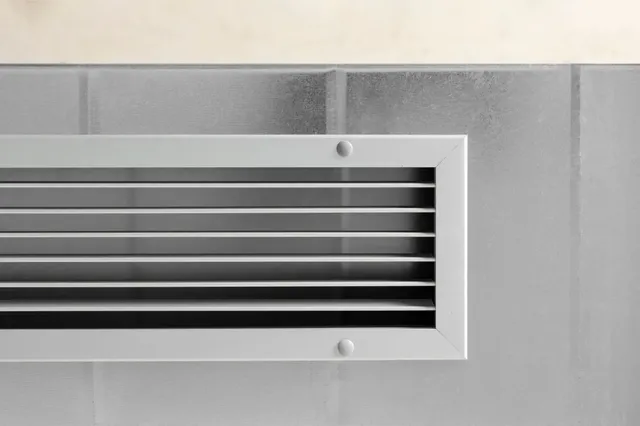
Maintaining a peaceful indoor environment while ensuring proper air circulation is a common challenge for homeowners and renovators. As concerns about indoor air quality and energy efficiency grow, the demand for quiet ventilation system options has increased. Whether you are upgrading your home, designing a new space, or simply seeking relief from noisy fans, understanding the range of low-noise ventilation solutions can help you make informed decisions that benefit both comfort and health.
From advanced whole-house fans to discreet ceiling exhausts, today’s market offers a variety of systems designed to minimize sound without sacrificing performance. Before exploring the most effective choices, it’s helpful to consider how these systems fit into broader home improvement plans. For example, if you’re also interested in optimizing your kitchen’s functionality and style, you might find inspiration in resources like kitchen remodeling visual balance tips to create a harmonious and practical living space.
Understanding Low-Noise Ventilation Solutions
Choosing the right air circulation system involves balancing airflow needs, energy use, and sound levels. Modern quiet ventilation system options are engineered with features such as insulated ducts, sound-dampening housings, and variable-speed motors. These advancements help reduce operational noise, making them suitable for bedrooms, living rooms, and other noise-sensitive areas.
Key benefits of quieter systems include:
- Improved sleep quality and concentration
- Reduced background noise for a more relaxing environment
- Enhanced property value and appeal
- Better compliance with building codes and green building standards
Types of Silent Ventilation Systems for Homes
There are several categories of low-noise air movement solutions available. Each type offers unique advantages depending on your space, budget, and specific needs.
1. Whisper-Quiet Ceiling Exhaust Fans
Ceiling exhaust fans are a popular choice for bathrooms, kitchens, and laundry rooms. Models labeled as “whisper” or “ultra-quiet” often feature advanced motor technology and vibration-absorbing mounts. These fans efficiently remove humidity and odors while producing minimal sound, making them ideal for spaces where peace and privacy are priorities.

2. Whole-House Fans with Low Sound Output
Whole-house fans are designed to quickly exchange indoor and outdoor air, cooling the entire home and improving air quality. Newer models use insulated housings and soft-start motors to keep operational noise to a minimum. These systems are especially effective in climates where nighttime temperatures drop, allowing for efficient cooling without the constant hum of traditional air conditioning.
When installed correctly, these fans can be nearly imperceptible, blending seamlessly into the background of daily life. For those considering a comprehensive approach to home comfort, integrating a whole-house fan with other energy-efficient upgrades can yield significant benefits.
3. Ducted and Inline Ventilation Systems
Inline fans are mounted within ductwork, often in attics or crawl spaces, which helps muffle sound before it reaches living areas. These systems are ideal for larger homes or when multiple rooms require ventilation. By pairing inline fans with insulated ducts and acoustic dampers, homeowners can achieve powerful airflow with minimal disruption.
4. Energy Recovery Ventilators (ERVs) and Heat Recovery Ventilators (HRVs)
ERVs and HRVs are advanced solutions that exchange stale indoor air with fresh outdoor air while recovering heat or cooling energy. Many modern units are engineered for quiet operation, using brushless motors and sound-absorbing materials. These systems are particularly valuable in tightly sealed, energy-efficient homes where natural air exchange is limited.
Key Features to Look for in Quiet Airflow Systems
When comparing quiet ventilation system options, consider the following features to ensure you select the best solution for your needs:
- Sound Ratings: Look for products with low sone or decibel ratings. A sone rating below 1.5 is generally considered very quiet.
- Variable Speed Controls: Adjustable settings allow you to balance airflow and noise based on current needs.
- Insulated Ductwork: Reduces vibration and sound transmission throughout the home.
- Quality Materials: Durable, well-constructed housings and blades minimize operational noise and extend system life.
- Smart Controls: Some modern systems integrate with home automation for scheduled or sensor-based operation, further reducing unnecessary noise.
Installation and Maintenance Tips for Low-Noise Systems
Proper installation is critical to achieving the quietest possible performance. Here are some practical tips:
- Mount fans securely to prevent vibration and rattling.
- Use flexible, insulated ducting where possible.
- Seal all joints and connections to prevent air leaks.
- Regularly clean filters and fan blades to maintain efficiency and reduce strain on the motor.
- Consult a professional if retrofitting an older home, as existing ductwork may need upgrades.
Integrating Quiet Airflow Solutions with Home Design
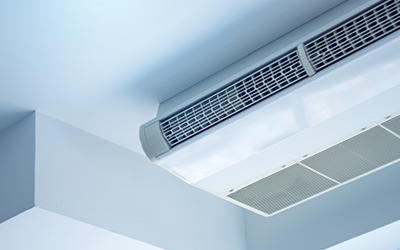
Low-noise ventilation systems can be seamlessly incorporated into a home’s overall design. Discreet grilles, flush-mounted fans, and hidden ductwork allow for effective air exchange without drawing attention or disrupting the aesthetics of your space. For those undertaking larger renovations, considering airflow needs alongside other upgrades—such as cabinetry or appliance placement—can result in a more functional and visually appealing outcome. If you’re planning a kitchen remodel, you may also want to explore ideas like kitchen remodeling hidden appliance ideas to achieve a streamlined look.
Resources for Further Learning
For a deeper understanding of how different ventilation systems work and how to select the best fit for your home, consult guides like how home ventilation systems function. These resources provide technical details and comparison charts that can clarify the differences between system types and help you evaluate your options.
FAQ
What makes a ventilation system “quiet”?
Quiet systems use features such as insulated housings, vibration-dampening mounts, and advanced motor technology to minimize noise. The design of the fan blades, quality of materials, and installation method also play a significant role in reducing operational sound.
Are low-noise ventilation systems less effective than standard models?
No, many modern quiet systems deliver the same or even better airflow compared to traditional models. The reduced noise is achieved through improved engineering rather than sacrificing performance.
How can I further reduce noise from my existing ventilation setup?
Upgrading to insulated ductwork, adding acoustic dampers, and ensuring all components are securely mounted can significantly lower noise levels. Regular maintenance, such as cleaning filters and lubricating moving parts, also helps keep systems running smoothly and quietly.