
Indoor air quality is a crucial factor in maintaining a healthy living environment. Many people spend the majority of their time inside homes, offices, or other enclosed spaces, often unaware of the various elements that can compromise the air they breathe. Understanding the sources of indoor air pollution is essential for creating safer, more comfortable spaces and reducing potential health risks.
From everyday household products to building materials and inadequate ventilation, pollutants can accumulate and linger indoors. Addressing these issues not only improves air quality but also contributes to overall well-being. For those interested in optimizing their kitchen spaces for both style and function, you may also find value in exploring kitchen remodeling visual balance tips to create harmonious designs that support a healthier home.
Major Contributors to Indoor Air Quality Issues
There are several key factors that influence the quality of air inside buildings. These contributors can be grouped into chemical, biological, and physical sources, each with distinct characteristics and impacts on health.
- Chemical pollutants: Volatile organic compounds (VOCs), formaldehyde, and other chemicals from paints, cleaning agents, and furnishings.
- Biological contaminants: Mold, bacteria, dust mites, and pet dander.
- Physical particles: Dust, smoke, and particulates from outdoor and indoor activities.
Household Products and Materials as Pollution Sources
Everyday items and materials found in homes are among the most common sources of indoor air pollution. Many products release substances that can accumulate over time, especially in poorly ventilated spaces.
Cleaning Agents and Air Fresheners
Many cleaning products, disinfectants, and air fresheners emit VOCs and other chemicals that can linger in the air. These compounds may cause irritation, headaches, or more serious health effects with prolonged exposure.
Paints, Adhesives, and Building Materials
Freshly painted walls, new carpets, and some types of furniture can off-gas formaldehyde and other harmful substances. Even after the initial smell fades, low-level emissions can continue for months or years.

Biological Contaminants and Their Impact
Biological agents are another significant group of indoor pollutants. These include living organisms and fragments that can trigger allergies, asthma, and other respiratory issues.
Mold and Mildew
Moisture from leaks, poor ventilation, or high humidity can foster the growth of mold and mildew. These fungi release spores into the air, which can cause allergic reactions and exacerbate respiratory conditions.
Pet Dander and Dust Mites
Homes with pets often have higher levels of dander, which is made up of tiny skin flakes. Dust mites, microscopic creatures that thrive in bedding and upholstery, are another common allergen. Both can contribute to poor air quality and discomfort for sensitive individuals.
Combustion Byproducts and Indoor Air
Activities and appliances that involve burning fuels can introduce a range of pollutants into indoor environments. These byproducts can be especially hazardous if not properly vented.
Cooking and Heating Appliances
Gas stoves, ovens, fireplaces, and unvented space heaters can emit carbon monoxide, nitrogen dioxide, and particulate matter. Ensuring proper ventilation and regular maintenance of these appliances is essential for minimizing risks.
Tobacco Smoke
Smoking indoors is a major contributor to indoor air contamination. Secondhand smoke contains a mixture of harmful chemicals and fine particles that can linger for hours, impacting both smokers and non-smokers.
Ventilation and Its Role in Reducing Indoor Pollutants
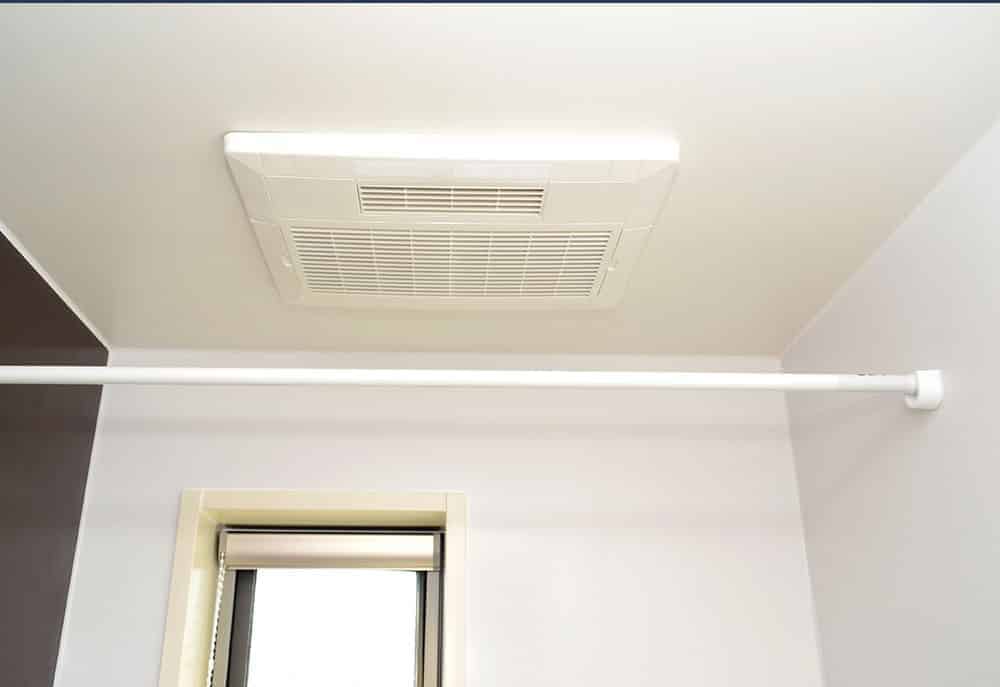
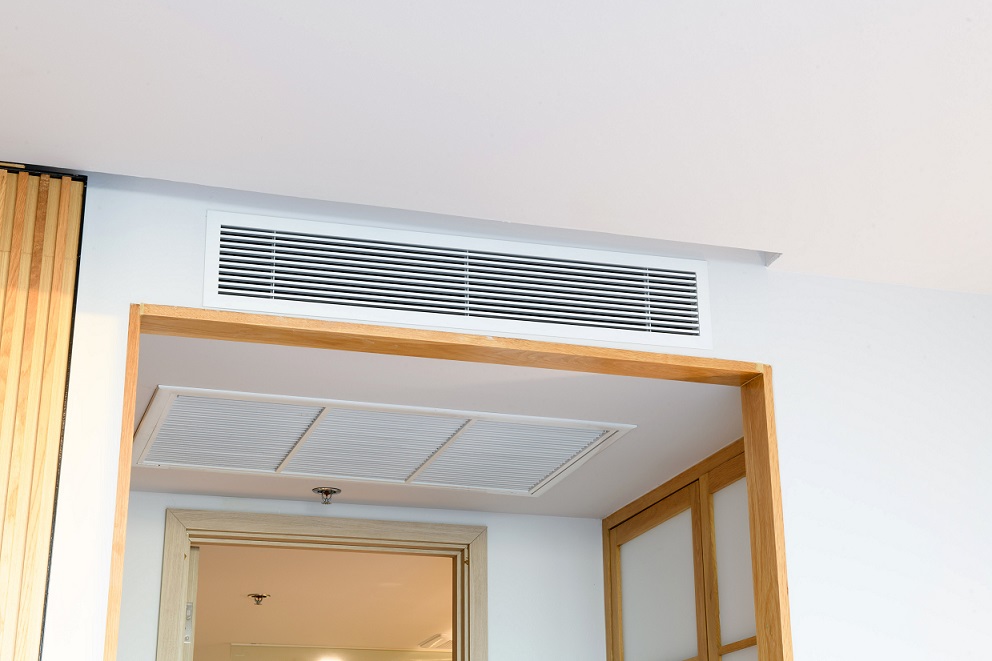
Proper ventilation is one of the most effective ways to manage and reduce sources of indoor air pollution. Without adequate airflow, contaminants can build up to unhealthy levels, especially in modern, tightly sealed buildings.
Opening windows, using exhaust fans, and installing mechanical ventilation systems can all help to dilute and remove pollutants. For a deeper dive into the importance of airflow and practical solutions, consider reading this comprehensive guide to home ventilation.
Outdoor Pollutants Entering Indoor Spaces
Pollutants from outside, such as pollen, vehicle emissions, and industrial chemicals, can infiltrate homes through doors, windows, and ventilation systems. While some infiltration is inevitable, using high-quality air filters and sealing gaps can help minimize the impact of outdoor contaminants.
Strategies for Improving Indoor Air Quality
Addressing the root causes of indoor air problems is key to maintaining a healthy environment. Here are some practical steps to reduce exposure:
- Choose low-VOC and fragrance-free cleaning products and paints.
- Maintain humidity levels between 30–50% to discourage mold growth.
- Ventilate kitchens and bathrooms with exhaust fans or open windows.
- Regularly clean and replace HVAC filters.
- Prohibit smoking indoors and limit use of combustion appliances.
- Use air purifiers with HEPA filters to capture fine particles and allergens.
Frequently Asked Questions
What are the most common sources of indoor air pollution in homes?
The most frequent contributors include cleaning agents, paints, building materials, mold, pet dander, dust mites, tobacco smoke, and emissions from cooking or heating appliances.
How can I tell if my indoor air quality is poor?
Signs of poor air quality may include persistent odors, visible mold, condensation on windows, increased allergy symptoms, or frequent headaches. Air quality monitors can provide more precise measurements.
What steps can I take to reduce indoor air pollutants?
Improve ventilation, use air purifiers, choose low-emission products, maintain humidity control, and ensure regular cleaning of surfaces and HVAC systems.