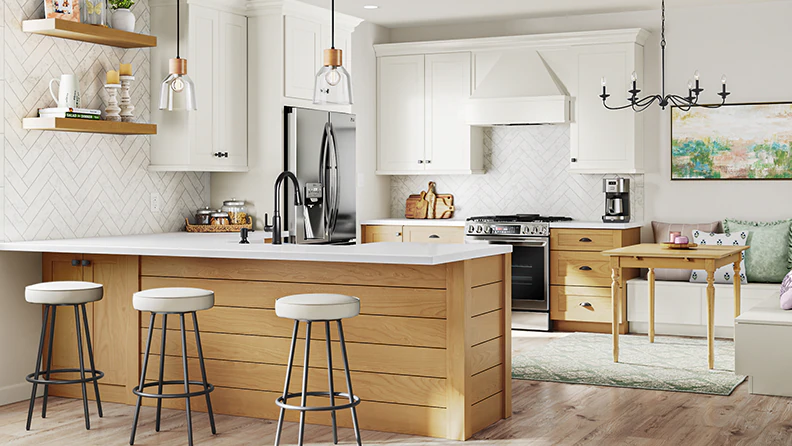
Building a new home is an exciting journey, yet ensuring every detail functions well is crucial. One common challenge is preventing water pressure issues in new homes. Proper planning can make a significant difference. A focus on water pressure can save homeowners from future headaches. This article aims to provide valuable insights on how to keep your new homes water pressure optimal and consistent.
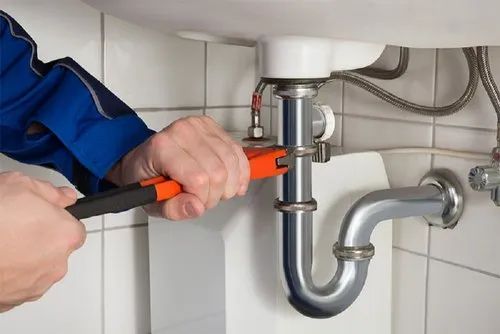
Understanding Water Pressure Basics
Water pressure refers to the force that pushes water through pipes. It’s measured in pounds per square inch (PSI). Having the right water pressure is vital for the efficient functioning of all water-related appliances and fixtures in a home.
Ideal Water Pressure Levels
In most homes, the ideal water pressure ranges between 40 to 60 PSI. Anything above or below this range can lead to problems. Low pressure can result in weak showers and slow-filling appliances, whereas high pressure might cause pipes to burst and appliances to wear out faster.
Planning the Plumbing System
During the construction of a new home, it is critical to plan the plumbing system meticulously. A well-designed system can effectively prevent water pressure issues. Consider consulting with a professional plumber during the initial phase of construction. For more on planning plumbing systems, check this essential guide.
Pipe Size and Material
The size and material of pipes used in your home significantly impact water pressure. Larger pipes allow more water to flow through, reducing pressure issues. Opt for materials like copper or PEX, which are durable and known for maintaining pressure.
Proper Installation
Proper installation is crucial. Ensure that all pipes are correctly fitted and secured to avoid leaks, which can lead to pressure drops. Professional plumbers are trained to handle these installations effectively. More details can be found at water supply lines.
Maintaining Optimal Water Pressure
Maintaining the right water pressure is essential for a new home. Regular checks and maintenance can help in identifying potential problems early.
Regular Inspections
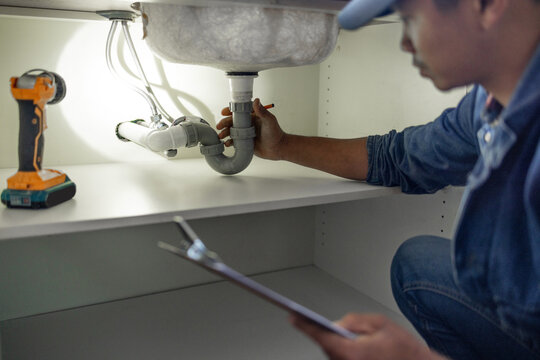
Schedule regular inspections with a professional plumber to ensure everything is in order. Regular maintenance helps in catching minor issues before they escalate into major problems. Learn more about maintenance tips on whole-house filtration.
Using Pressure Regulators
Installing a pressure regulator can help maintain consistent pressure throughout the home. It prevents the pressure from getting too high, thus protecting your plumbing system.
Addressing Common Pressure Problems
Even with the best planning, issues may still arise. Knowing how to address them can save you time and money.
Identifying the Source of Low Pressure
Low water pressure can be caused by several factors, including leaks, clogged pipes, or faulty fixtures. Identifying the source is the first step in resolving the issue.
Dealing with High Pressure
High water pressure can be equally problematic. It can cause pipes to burst and appliances to malfunction. Installing a pressure reducing valve can help mitigate this issue.
Conclusion
Preventing water pressure issues in new homes requires careful planning and regular maintenance. By understanding the basics and working with professionals, homeowners can ensure a smooth and efficient water system in their new homes. For more detailed advice on plumbing, visit Formica Plumbing.
FAQs
What is considered normal water pressure?
The normal water pressure for a home should be between 40 and 60 PSI.
How can I test my homes water pressure?
You can test your homes water pressure using a pressure gauge, which can be attached to an exterior faucet.
What should I do if I have low water pressure?
If you experience low water pressure, check for leaks, clogged pipes, or faulty fixtures, and consult a professional if needed.
This article contains affiliate links. We may earn a commission at no extra cost to you.