


As a homeowner or real estate developer, understanding basic plumbing terms can save you time, money, and stress. Whether you’re dealing with a minor leak or planning a major renovation, knowing the right terminology can make communication with professionals much easier. In this article, we’ll delve into plumbing terms every homeowner should know to help you become more informed and confident in managing your homes plumbing needs.
Why Knowing Plumbing Terms Matters
Understanding plumbing terms is crucial for effective communication with plumbers and contractors. It helps you describe issues accurately, understand repair estimates, and make informed decisions about home improvements. For more complex projects, such as those in earthquake zones, check out our guide on earthquake plumbing design.
Basic Plumbing Components
1. Pipes
Pipes are the backbone of any plumbing system. They transport water to and from fixtures and appliances. Common types include PVC, copper, and PEX. Each has its own advantages, depending on the application.
2. Valves
Valves control the flow of water within your plumbing system. Knowing the location of your main shut-off valve is crucial in case of a leak.
3. Fittings
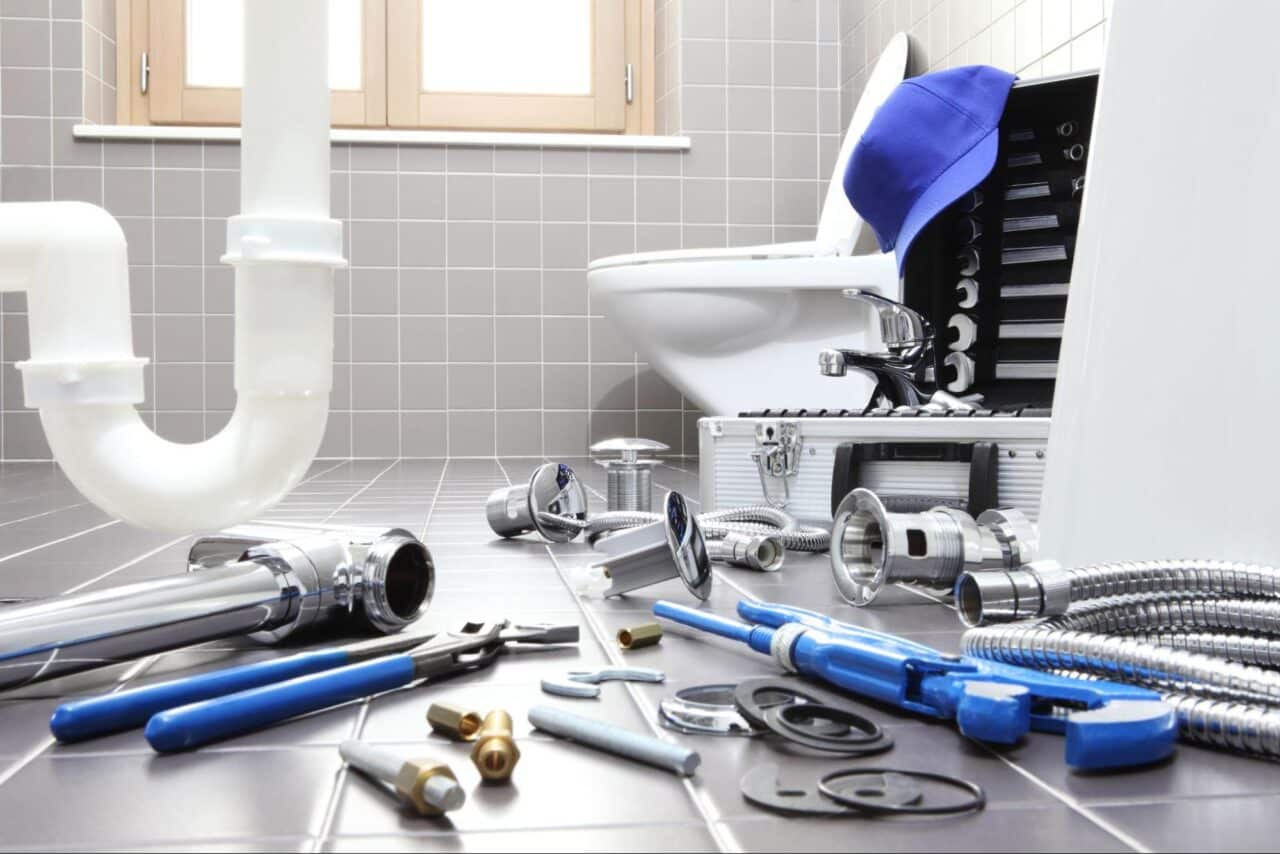
Fittings connect pipes and help change the direction of water flow. Elbows, tees, and couplings are some common types.
Advanced Plumbing Terms
4. Traps
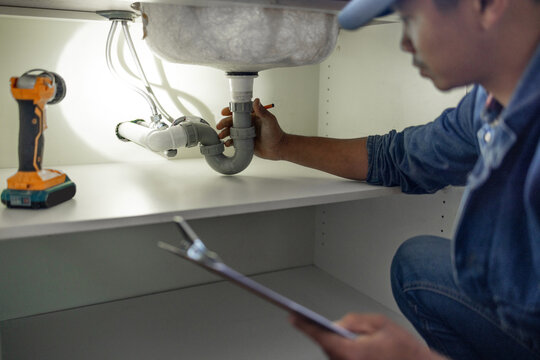
Traps prevent sewer gases from entering your home by providing a water seal. They are typically found beneath sinks and toilets.
5. Vents
Vents allow air to enter the plumbing system, ensuring proper drainage. They are essential for preventing vacuum locks and maintaining water flow.
6. Flanges
Flanges are used to secure toilets to the floor and connect pipes. They are crucial for preventing leaks and maintaining stability.
Plumbing System Types
7. Supply System
The supply system delivers fresh water to your home. It includes pipes, valves, and fixtures that work together to provide water where you need it.
8. Drain-Waste-Vent (DWV) System
The DWV system removes wastewater and sewer gases from your home. It’s a critical component of any plumbing infrastructure.
Common Plumbing Issues
9. Leaks
Leaks can occur in pipes, fixtures, or appliances. Early detection and repair are essential for preventing water damage and costly repairs.
10. Clogs
Clogs are blockages in pipes that prevent water flow. They can occur in sinks, toilets, or main sewer lines.
11. Water Pressure Problems
Low or high water pressure can affect the performance of your fixtures and appliances. It’s important to address these issues to ensure efficient water use.
Plumbing Maintenance Tips
12. Regular Inspections
Conduct regular inspections of your plumbing system to identify potential issues early. Look for signs of leaks, corrosion, and wear.
13. Drain Cleaning
Keep your drains clear of debris to prevent clogs. Avoid using harsh chemicals that can damage pipes.
14. Water Heater Maintenance
Regularly inspect and maintain your water heater to ensure it operates efficiently. Check for leaks, sediment buildup, and proper temperature settings.
Planning for New Builds
15. Plumbing Permits
When building a new home, understanding plumbing permits is crucial. They ensure your plumbing system meets local codes and standards. For more insights, visit our page on plumbing permits.
External Resources
For an in-depth understanding of plumbing in new homes, consider this essential guide to plumbing.
FAQs
What is the most common plumbing issue?
Leaks and clogs are the most common plumbing issues homeowners face.
How often should I inspect my plumbing?
It’s advisable to conduct a plumbing inspection at least once a year.
Can I fix plumbing issues myself?
Minor issues can often be fixed by homeowners, but complex problems may require professional assistance.
This article contains affiliate links. We may earn a commission at no extra cost to you.


