When it comes to constructing homes and buildings in areas prone to seismic activity, ensuring a robust plumbing design for earthquake zones is crucial. Earthquakes can cause significant damage to plumbing systems, leading to costly repairs and even compromising the safety of the building’s occupants. In this article, we will explore the key considerations and strategies for designing plumbing systems that can withstand the impacts of an earthquake.
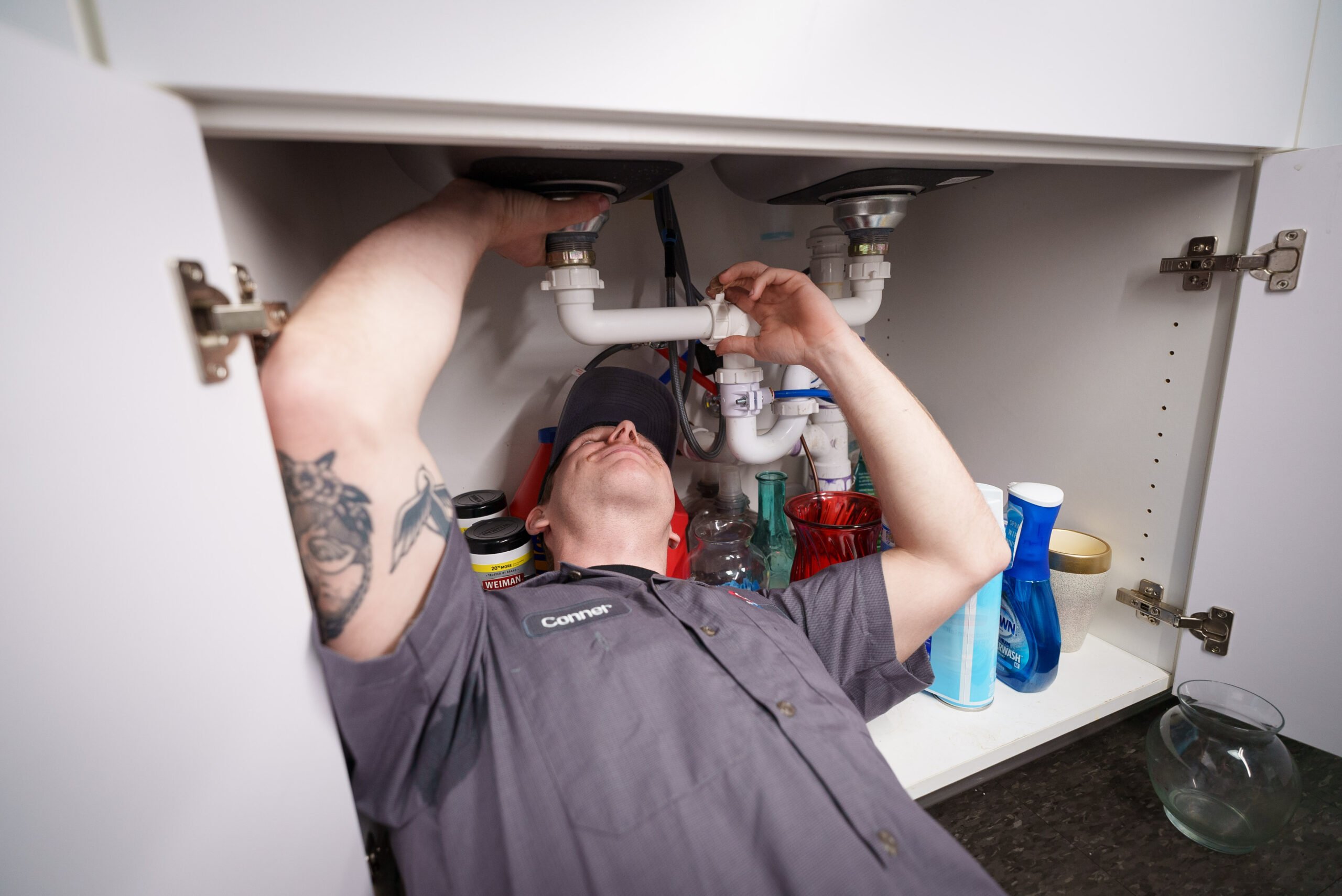
Understanding the Risks of Earthquakes on Plumbing Systems
Earthquakes pose a unique set of challenges to plumbing systems. The ground shaking can cause pipes to break, joints to loosen, and fixtures to become dislodged. This can result in leaks, water damage, and even flooding. Additionally, gas lines can be compromised, leading to dangerous leaks and potential fires. Given these risks, it is essential to incorporate earthquake-resistant features into plumbing design.
Key Components of Earthquake-Resistant Plumbing Design
To ensure the resilience of plumbing systems in seismic zones, several key components should be considered:
- Flexible Pipe Materials: Using flexible materials like PEX or copper for pipes can help absorb the shock of an earthquake and prevent ruptures.
- Seismic Shutoff Valves: Installing automatic shutoff valves for gas and water lines can prevent leaks and mitigate potential hazards.
- Secure Fixtures and Appliances: Ensuring that fixtures and appliances are securely fastened can prevent them from becoming dislodged during an earthquake.
Design Strategies for Earthquake-Resistant Plumbing
Choosing the Right Materials
One of the most important aspects of plumbing design for earthquake zones is selecting the right materials. As mentioned earlier, flexible materials like PEX and copper are ideal for pipes because they can withstand the forces of an earthquake without breaking. Additionally, using high-quality, durable materials for fixtures and appliances can further enhance the resilience of the plumbing system.
Innovative Installation Techniques
Beyond material selection, employing innovative installation techniques can also improve the earthquake resistance of plumbing systems. For example, using slip joints and expansion loops can allow for movement and prevent stress on pipes. Additionally, securing pipes with seismic braces and anchors can help keep them in place during an earthquake.
Case Studies: Successful Plumbing Designs in Earthquake Zones
Several regions around the world have successfully implemented earthquake-resistant plumbing designs. For instance, in Japan, where earthquakes are common, buildings often feature advanced plumbing systems with flexible joints and automatic shutoff valves. These systems have proven effective in minimizing damage and ensuring the safety of building occupants.
Lessons Learned from Past Earthquakes
Analyzing past earthquakes can provide valuable insights into effective plumbing design strategies. By studying the failures and successes of previous systems, engineers can develop improved designs that better withstand seismic forces. This continuous improvement process is essential for enhancing the safety and resilience of buildings in earthquake-prone areas.
Incorporating Plumbing Design into Building Safety Plans
Collaboration with Engineers and Architects
Designing earthquake-resistant plumbing systems requires collaboration between engineers, architects, and builders. By working together, these professionals can ensure that plumbing systems are integrated into the overall building safety plan. This holistic approach is crucial for maximizing the resilience of the structure.
Regular Inspections and Maintenance
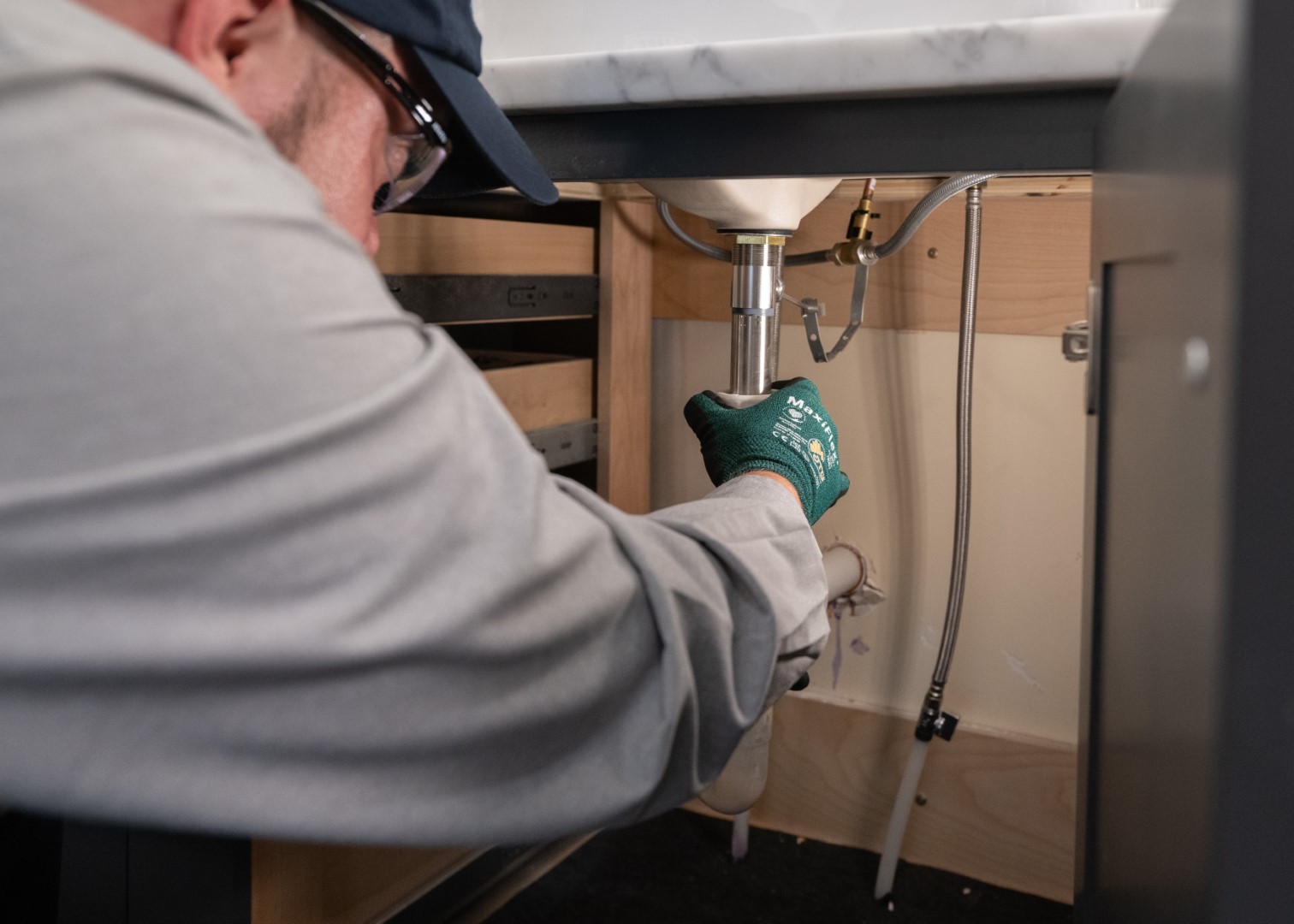
Even the best-designed plumbing systems require regular inspections and maintenance to ensure their continued effectiveness. Routine checks can identify potential issues before they become major problems, allowing for timely repairs and adjustments.
Future Trends in Earthquake-Resistant Plumbing Design
As technology advances, new materials and techniques are being developed to further enhance the earthquake resistance of plumbing systems. For example, smart sensors and monitoring systems can provide real-time data on the condition of plumbing systems, allowing for proactive maintenance and repairs.
Sustainable and Eco-Friendly Solutions
In addition to improving resilience, many modern plumbing designs also prioritize sustainability and eco-friendliness. By using water-efficient fixtures and reducing waste, these systems not only protect against earthquakes but also contribute to environmental conservation.
For more insights on plumbing design tips and strategies, consider exploring additional resources and expert advice.
Conclusion
Designing plumbing systems for earthquake zones requires careful consideration of materials, installation techniques, and collaboration with other building professionals. By incorporating these elements into the design process, homeowners and developers can ensure that their buildings are prepared to withstand the forces of an earthquake, protecting both property and lives.
FAQs
What materials are best for earthquake-resistant plumbing?
Flexible materials like PEX and copper are ideal for earthquake-resistant plumbing as they can absorb shock and prevent ruptures.
How can I ensure my plumbing system is earthquake-resistant?
Work with experienced engineers and architects to design a system that includes flexible materials, seismic shutoff valves, and secure fixtures.
Are there any new technologies for earthquake-resistant plumbing?
Yes, advancements include smart sensors and monitoring systems that provide real-time data to help maintain plumbing systems’ integrity during an earthquake.
This article contains affiliate links. We may earn a commission at no extra cost to you.