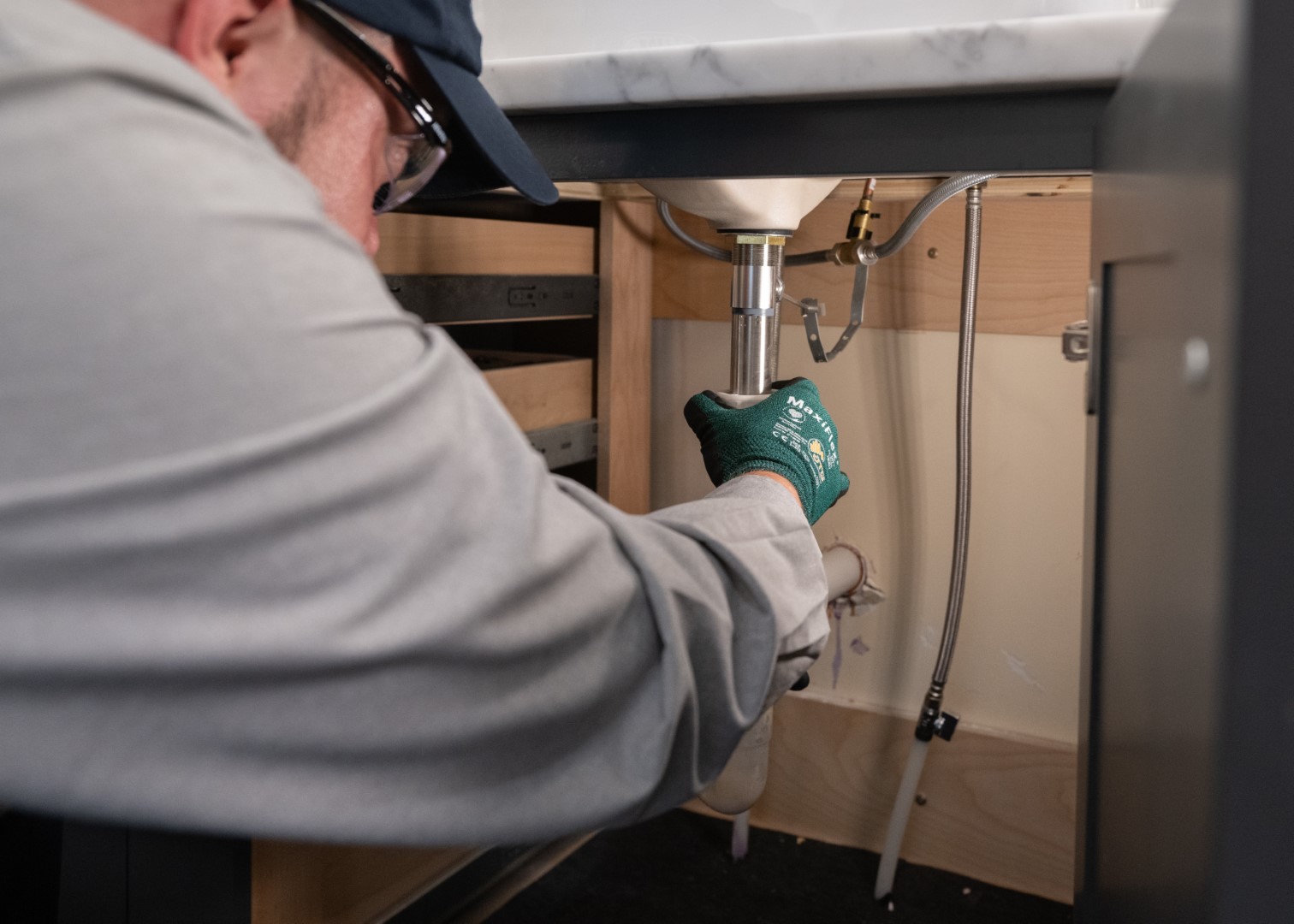

Building a new home is an exciting journey, but it requires careful planning and adherence to regulations. One of the critical aspects of homebuilding is obtaining the necessary plumbing permits for new build. These permits ensure that your plumbing system is safe, efficient, and compliant with local building codes. Whether you’re a homeowner or a real estate developer, understanding the importance of plumbing permits is crucial for a successful construction project.

1. What Are Plumbing Permits?
Plumbing permits are official approvals issued by local authorities allowing you to install or modify a plumbing system. These permits are essential to ensure that the plumbing work meets safety standards and complies with local building codes. They cover various aspects, from water supply and drainage to fixtures and appliances.
1.1 Why Are They Necessary?
Obtaining a plumbing permit is not just a bureaucratic hurdle; it’s a safeguard for your home. Permits ensure that the plumbing system is designed and installed correctly, minimizing the risk of leaks, water damage, and health hazards. They also protect homeowners and developers from legal issues that could arise from non-compliance with building codes.
2. When Do You Need a Plumbing Permit?
A plumbing permit is typically required for new builds, major renovations, or any project involving significant changes to the plumbing system. This includes installing new pipes, replacing old ones, adding new bathrooms, or any work that affects the water supply or drainage system.
2.1 Minor Repairs and Exceptions
While major projects require permits, minor repairs such as fixing leaks or replacing a faucet usually do not. However, it’s always best to check with your local building department to understand the specific requirements in your area.
3. How to Apply for a Plumbing Permit
Applying for a plumbing permit involves several steps. First, you’ll need to submit detailed plans of the plumbing system, including drawings and specifications. These plans should be prepared by a licensed plumber or engineer. Once submitted, the local building department will review the plans to ensure compliance with codes and standards.
3.1 Required Documentation
In addition to the plans, you may need to provide additional documentation, such as proof of property ownership, contractor licenses, and insurance certificates. It’s essential to have all necessary documents ready to avoid delays in the approval process.
4. The Role of the Plumbing Inspector
Once you have a plumbing permit, the next step is inspection. A plumbing inspector will visit the construction site to verify that the work complies with the approved plans and building codes. This inspection ensures that the plumbing system is safe and functional before it’s covered up by walls or flooring.
4.1 Passing the Inspection
To pass the inspection, ensure that all plumbing work is completed professionally and adheres to the approved plans. Any deviations or code violations will need to be corrected before the project can proceed.
5. Cost of Plumbing Permits
The cost of a plumbing permit varies depending on the size and scope of the project, as well as local regulations. Typically, permit fees are calculated based on the estimated cost of the plumbing work. It’s essential to factor these fees into your budget when planning your construction project.
5.1 Additional Costs
In addition to the permit fees, there may be additional costs for inspections and plan reviews. These costs can add up, so it’s important to plan accordingly.
6. Common Mistakes to Avoid
When it comes to plumbing permits for new build, there are common mistakes that homeowners and developers should avoid. One of the most significant errors is starting work without obtaining the necessary permits. This can lead to fines, delays, and even legal issues.
6.1 Ignoring Local Codes
Another mistake is ignoring local building codes. Each area has specific plumbing regulations, and failing to comply with them can result in costly corrections and delays.
7. Benefits of Hiring a Professional
While some homeowners may be tempted to handle plumbing work themselves, hiring a professional is highly recommended. Licensed plumbers have the expertise to ensure that the plumbing system is installed correctly and meets all code requirements. They can also assist with the permit application process, making it more efficient and stress-free.
7.1 Peace of Mind
By hiring a professional, you can have peace of mind knowing that the plumbing work is in capable hands. This reduces the risk of errors and ensures that your new home’s plumbing system is safe and reliable.

8. FAQs About Plumbing Permits for New Build
8.1 Do I Need a Permit for Minor Plumbing Repairs?
Generally, minor repairs do not require a permit. However, it’s always best to check with your local building department for specific regulations.
8.2 How Long Does It Take to Get a Plumbing Permit?
The time required to obtain a plumbing permit varies depending on the complexity of the project and the efficiency of the local building department. It can take anywhere from a few days to several weeks.
8.3 Can I Start Plumbing Work Without a Permit?
It is not advisable to start plumbing work without a permit. Doing so can lead to fines, legal issues, and complications in the approval process.
For more detailed information on plumbing permits and tips for new homeowners, check out this external resource and our DIY Plumbing Guide.
This article contains affiliate links. We may earn a commission at no extra cost to you.