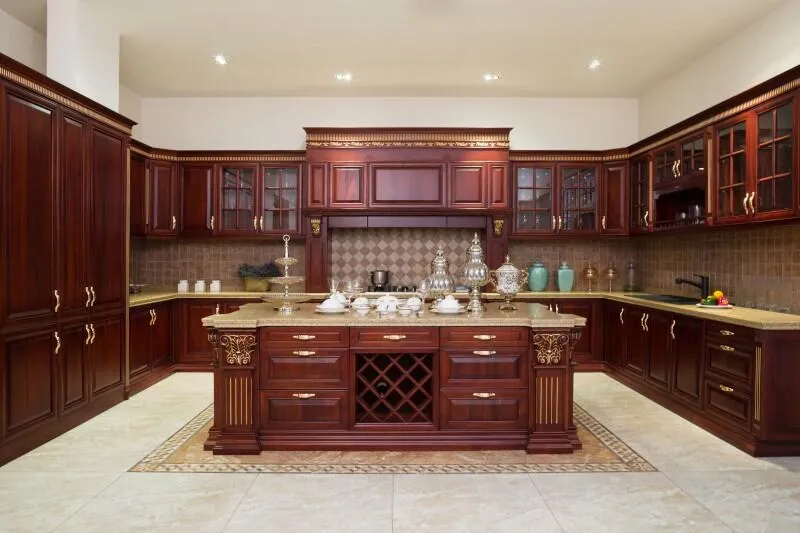

Removing a wall during a kitchen remodel can dramatically transform the look, feel, and function of your home. Whether you want an open-concept layout, more natural light, or improved flow, understanding the key kitchen remodeling wall removal considerations is essential for a successful project. This article covers the most important factors to evaluate before taking down any wall, from structural safety to design impacts and building codes.
Before making any decisions, it’s helpful to explore related topics such as kitchen remodeling visual balance tips to ensure your new space feels harmonious and well-planned. Let’s dive into what you need to know when planning to remove a wall in your kitchen remodel.
Understanding Structural Implications of Wall Removal
One of the most critical kitchen remodeling wall removal considerations is determining whether the wall you want to remove is load-bearing. Load-bearing walls support the weight of the structure above, such as upper floors or the roof. Removing them without proper planning can compromise the safety and stability of your home.
- Consult a structural engineer: Always have a professional assess the wall before proceeding. They can identify if the wall is load-bearing and recommend safe alternatives, such as installing a beam or column.
- Permits and inspections: Most municipalities require permits for structural changes. Inspections ensure the work meets local building codes and safety standards.
- Temporary supports: During demolition, temporary shoring may be necessary to prevent collapse until permanent supports are installed.
Ignoring these steps can lead to costly repairs, safety hazards, and failed inspections. Prioritize safety and compliance from the start.
Plumbing, Electrical, and HVAC Considerations
Walls often contain essential systems like electrical wiring, plumbing pipes, and HVAC ducts. Before demolition, it’s vital to:
- Map out utilities: Use blueprints or professional assessments to locate all wires, pipes, and vents within the wall.
- Plan for rerouting: If utilities are present, you’ll need to reroute them. This can increase costs and complexity, especially if plumbing or major electrical lines are involved.
- Coordinate with licensed trades: Always hire licensed electricians, plumbers, and HVAC technicians to handle these changes safely and to code.
Factoring in these hidden elements is a key part of kitchen remodeling wall removal considerations and helps avoid unexpected delays or expenses.
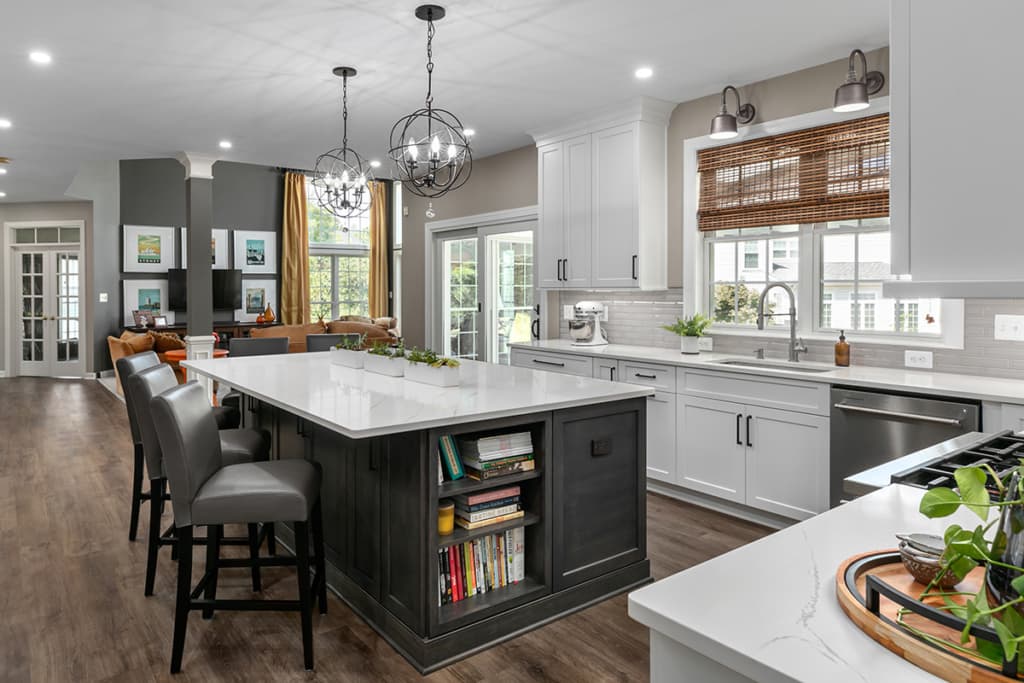
Design and Layout Impacts
Taking down a wall can open up your kitchen, but it also affects the overall design and flow. Here are some design-focused kitchen remodeling wall removal considerations to keep in mind:
- Visual balance: Removing a wall changes sightlines and the way spaces connect. Consider how the new layout will look from different angles. For more on this, see kitchen remodeling visual balance tips.
- Storage and cabinetry: Walls often provide space for cabinets or shelves. Plan for alternative storage solutions if you lose wall space.
- Lighting: Open layouts may require updated lighting plans. Consider adding recessed lights or pendants to brighten the new space.
- Flooring transitions: If the wall separates different flooring types, you may need to patch or replace sections for a seamless look.
Thoughtful planning ensures your new kitchen is both functional and visually appealing.
Building Codes and Permit Requirements
Compliance with local building codes is a non-negotiable aspect of any wall removal project. Codes exist to protect your safety and the value of your property. Key points include:
- Permit applications: Most cities require permits for structural changes, electrical work, and plumbing modifications.
- Inspections: Multiple inspections may be needed throughout the project to verify code compliance.
- Documentation: Keep all permits, plans, and inspection reports for future reference or resale.
Skipping permits can result in fines, forced removal of work, or problems when selling your home. Always check with your local building department before starting any demolition.

Budgeting for Wall Removal in Kitchen Remodels
Costs for removing a wall can vary widely based on structural needs, utility rerouting, and finish work. When budgeting, consider:
- Engineering and permits: Professional assessments and permits are essential and add to the overall cost.
- Labor and materials: Demolition, installation of beams or columns, and repairs to floors, ceilings, and walls all contribute to expenses.
- Utility relocation: Moving plumbing, electrical, or HVAC systems can be one of the most significant costs.
- Finishing touches: Don’t forget painting, trim, and any new cabinetry or flooring needed to complete the space.
Get multiple quotes and build in a contingency fund for surprises. For inspiration and ideas to maximize your investment, check out these top kitchen remodel ideas.
Enhancing Functionality and Style After Wall Removal
Once the wall is gone, you’ll have new opportunities to enhance both the function and style of your kitchen. Consider these tips:
- Open shelving or islands: Add storage and prep space with a kitchen island or open shelves where the wall once stood.
- Integrated appliances: Explore kitchen remodeling hidden appliance ideas for a sleek, modern look.
- Consistent style: Use a kitchen remodeling style planning guide to ensure your new layout feels cohesive with the rest of your home.
- Cleaning zones: Plan practical layouts with kitchen remodeling cleaning zone layout ideas for efficiency and ease of use.
Thoughtful design after demolition ensures your kitchen is not only open, but also organized and beautiful.
Common Mistakes to Avoid When Removing Kitchen Walls
Even with the best intentions, homeowners sometimes make mistakes during wall removal projects. Avoid these pitfalls:
- Skipping professional advice: DIY demolition without expert input can lead to structural issues and safety hazards.
- Underestimating costs: Failing to account for hidden utilities or finish work can blow your budget.
- Neglecting permits: Unpermitted work can cause legal and financial headaches down the road.
- Overlooking design impacts: Removing too many walls can make spaces feel cavernous or disrupt the home’s flow.
Careful planning and professional guidance help ensure a smooth and successful remodel.
FAQ: Wall Removal in Kitchen Remodeling
How do I know if a kitchen wall is load-bearing?
Identifying a load-bearing wall requires examining your home’s blueprints or consulting a structural engineer. Load-bearing walls typically run perpendicular to floor joists and may support beams or other structural elements above. Never assume a wall is non-structural without professional confirmation.
What permits are needed for removing a wall in my kitchen?
Most municipalities require permits for any structural changes, including wall removal. You may also need separate permits for electrical, plumbing, or HVAC modifications. Check with your local building department for specific requirements and always schedule necessary inspections.
Can I remove a kitchen wall myself, or should I hire a professional?
While minor non-structural walls may be safe for experienced DIYers, any wall that could be load-bearing or contains utilities should be handled by professionals. Licensed contractors, engineers, and tradespeople ensure the work is done safely, legally, and up to code.