Ensuring the integrity of your home’s drainage system is crucial for maintaining a safe and comfortable living environment. A thorough plumbing inspection for drainage system can help identify potential issues before they become costly problems. For both homeowners and real estate developers, understanding how these inspections work is key to preserving property value and ensuring occupant safety.
Why Plumbing Inspections are Important
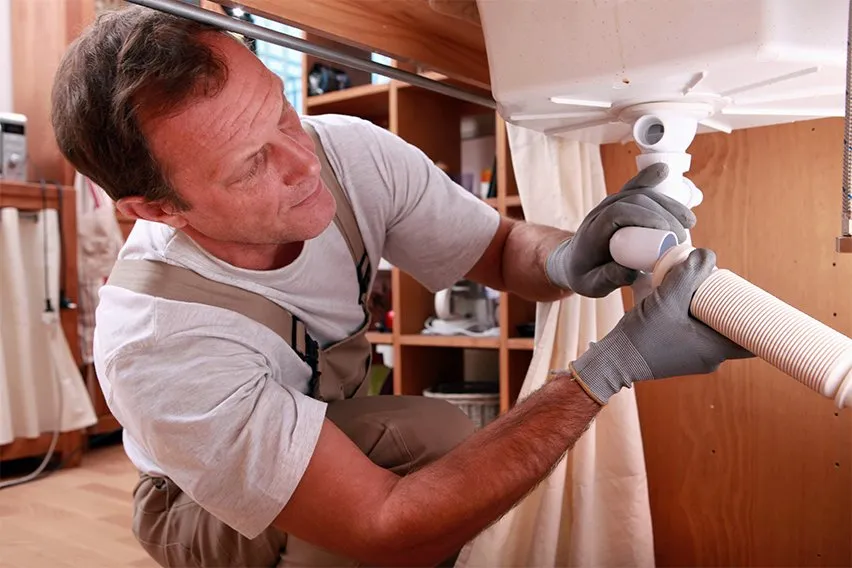
Regular plumbing inspections are essential for detecting leaks, blockages, and other issues that could lead to water damage or health hazards. By identifying these problems early, you can avoid expensive repairs and ensure the longevity of your stormwater drainage system.
Key Components of a Drainage System
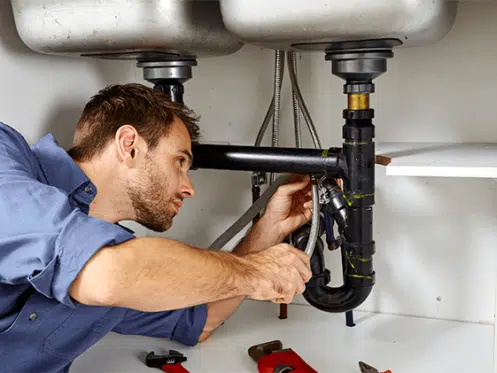
A drainage system is composed of several critical components, including pipes, traps, vents, and drains. Each part plays a vital role in directing wastewater away from your home and preventing harmful gases from entering your living spaces.
Pipes and Fittings
Pipes are the primary channels through which water flows. Inspections often focus on checking for corrosion, leaks, and proper joint fittings to ensure optimal performance.
Traps and Vents
Traps prevent sewer gases from escaping into your home, while vents equalize pressure in the drainage system. Ensuring these components are functioning correctly is crucial for maintaining a healthy indoor environment.
Common Issues Found During Inspections
During a plumbing inspection, professionals look for common issues like leaks, blockages, and improper installation. Identifying these problems early can prevent more severe damage down the line.
Leaks and Water Damage
Leaks can lead to significant water damage if not addressed promptly. Inspectors use specialized tools to detect leaks, even those hidden behind walls or under floors. For more on preventing water damage, consider reading about bathroom plumbing systems.
Blockages and Slow Drains
Blockages are a common issue that can lead to slow drains and potential overflow. Inspectors use cameras to assess the condition of pipes and identify any obstructions.
Steps in a Plumbing Inspection
A typical plumbing inspection involves several steps, from initial assessment to final reporting. Understanding these steps can help you prepare for an inspection and know what to expect.
Initial Assessment
The inspection begins with a visual assessment of exposed plumbing fixtures and fittings. Inspectors look for obvious signs of damage or wear.
Testing and Diagnosis
Next, inspectors use various tools to test water pressure, check for leaks, and assess the overall condition of the drainage system. This step often involves advanced techniques like camera inspections.
Final Report
After completing the inspection, the professional will provide a detailed report outlining any issues found and recommended repairs. This report is essential for planning maintenance or renovations.
How to Choose a Qualified Inspector
Choosing a qualified inspector is critical for ensuring a thorough examination of your drainage system. Look for inspectors with certifications, experience, and a good reputation.
Certifications and Training
Ensure your inspector is certified and has undergone appropriate training. This ensures they have the knowledge and skills to perform a comprehensive inspection.
Experience and Reputation
Choose an inspector with years of experience and positive reviews from past clients. This indicates a track record of thorough and reliable inspections.
FAQs
What is the cost of a plumbing inspection?
The cost of a plumbing inspection varies depending on the size of the property and the complexity of the drainage system. On average, inspections can range from $200 to $500.
How often should I have my drainage system inspected?
It’s recommended to have your drainage system inspected annually to catch potential issues early and maintain system efficiency.
Can I perform a plumbing inspection myself?
While you can perform basic checks, a professional inspection is necessary for a thorough evaluation. Professionals have specialized tools and expertise to detect issues you might miss. For more tips on managing your home’s plumbing, visit this guide.
This article contains affiliate links. We may earn a commission at no extra cost to you.