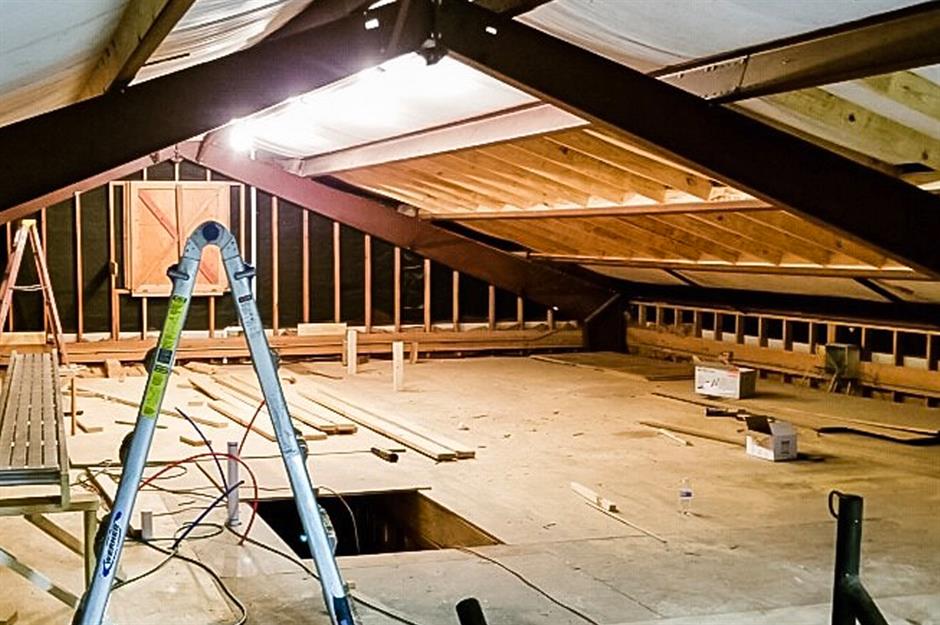
When planning a new construction project, understanding stormwater drainage is crucial for both homeowners and real estate developers. Efficient drainage systems prevent water accumulation, reduce flooding risks, and protect the structural integrity of the building. In this article, we will explore the importance of stormwater drainage and how it impacts new construction projects.
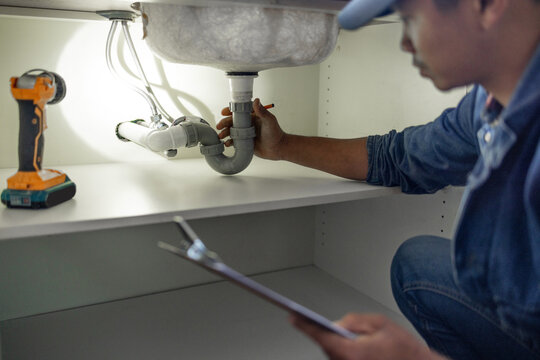
Understanding Stormwater Drainage
Stormwater drainage involves the collection, transport, and disposal of rainwater and melted snow. Without a proper system, water can accumulate, leading to potential damage to buildings and landscapes. In new constructions, its essential to plan and implement an effective drainage system from the outset.
The Importance of Stormwater Drainage in Construction
Proper stormwater management is vital for several reasons. It helps in preventing flooding, maintaining soil stability, and protecting water quality. A well-designed system can minimize the environmental impact of construction activities.
Planning for Stormwater Drainage
Effective planning is key to a successful drainage system. This involves assessing the site, understanding local weather patterns, and integrating the system with existing infrastructure. Consideration must also be given to the best materials and technologies available.
Site Assessment and Planning
Before construction begins, a thorough site assessment should be conducted. This includes analyzing the terrain, soil type, and existing water flow patterns. An accurate assessment will guide the design of the drainage system, ensuring it meets the specific needs of the site.
Designing the Drainage System
The design of the drainage system should prioritize efficiency and sustainability. This involves selecting appropriate materials, such as permeable paving and rain gardens, which help absorb and filter stormwater.
Implementing Sustainable Drainage Solutions
Sustainability is a growing concern in construction. Implementing eco-friendly drainage solutions not only benefits the environment but also enhances the value of the property. Eco-friendly fixtures can be integrated into the drainage system to improve efficiency.
Permeable Surfaces
Using permeable surfaces like gravel, grass, and specially designed pavers allows water to seep through, reducing runoff and promoting groundwater recharge.
Rain Gardens
Rain gardens are shallow, vegetated areas designed to absorb and filter stormwater. They are an effective way to manage runoff naturally and enhance the aesthetic appeal of the property.
Legal and Environmental Considerations
When planning stormwater drainage, its important to adhere to local regulations and environmental guidelines. Compliance ensures the system is not only effective but also legally sound.
Regulations and Permits
Each region has specific regulations governing stormwater management. Obtaining the necessary permits and ensuring compliance with these regulations is crucial to avoid legal issues.
Environmental Impact
Understanding the environmental impact of the drainage system is essential. Sustainable practices can help minimize negative effects on the surrounding ecosystem.
Maintenance and Long-Term Management
Regular maintenance is necessary to ensure the drainage system functions effectively over time. This includes inspecting for blockages, cleaning gutters, and repairing any damage promptly.
Routine Inspections
Conducting regular inspections helps in identifying potential issues early. This proactive approach can prevent costly repairs and extend the lifespan of the drainage system.
Professional Maintenance Services
Hiring professional services for maintenance can ensure the system remains in optimal condition. They provide expertise and resources that may not be available to individual homeowners or developers.
Integrating Modern Technologies
Advancements in technology have introduced innovative solutions for stormwater drainage. Utilizing smart sensors and automated systems can enhance efficiency and reduce manual intervention.
Smart Drainage Systems
Smart systems can monitor water levels, detect blockages, and provide real-time data. This technology aids in efficient management and quick response to potential issues.
Automated Floodgates
Automated floodgates can be integrated into the system to control water flow during heavy rainfall. These gates operate automatically, reducing the risk of flooding.
Cost Considerations
The cost of installing a stormwater drainage system varies depending on the complexity of the project. Factors such as site conditions, material choices, and technology integration can influence the overall budget.
Budgeting for Drainage Systems
Creating a detailed budget is essential. This should include costs for materials, labor, permits, and ongoing maintenance to ensure the system remains effective long-term.
For more detailed information on plumbing costs in new home construction, you can check out this external link.
Conclusion
Incorporating efficient stormwater drainage systems in new construction projects is essential for safeguarding the property and the environment. By understanding the importance of planning, sustainability, and technology, homeowners and developers can create resilient and valuable properties. For further insights on eco-friendly plumbing, consider visiting this link.
FAQs
What is stormwater drainage?
Stormwater drainage is the process of managing rainwater and melted snow through collection, transport, and disposal systems to prevent water accumulation and flooding.
Why is stormwater drainage important in new construction?
It prevents flooding, maintains soil stability, and protects the structural integrity of buildings, making it crucial for new construction projects.
How can I make my drainage system sustainable?
Use permeable surfaces, integrate rain gardens, and incorporate smart technologies for an eco-friendly and efficient drainage system.
This article contains affiliate links. We may earn a commission at no extra cost to you.