
Designing a passive house is a complex task that requires careful consideration of various factors. The primary goal is to create a structure that uses minimal energy for heating and cooling, while providing a comfortable living environment. However, achieving this can present several challenges. In this guide, we’ll explore the hurdles architects and builders face when designing passive houses and how they can be mitigated.
One of the main challenges in passive house design is achieving airtightness. This is crucial for maintaining a stable indoor temperature and reducing energy consumption. However, it can be difficult to achieve due to the complexity of building designs and the need for precise construction methods. For more information on this, check out our guide on airtightness testing methods.
Thermal Bridging Issues
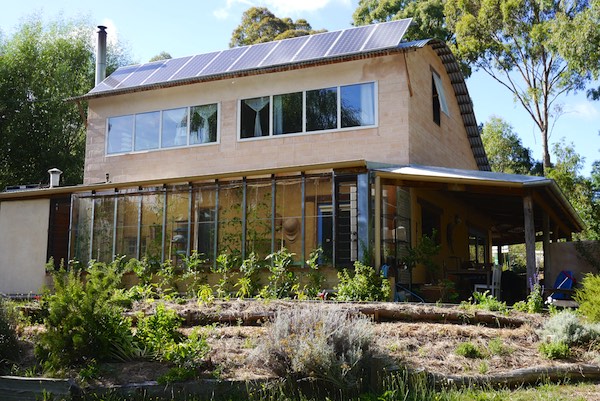
Another challenge in passive house design is avoiding thermal bridges. These are areas in the building envelope that allow heat to pass through them more easily than through the surrounding areas, leading to energy loss. To prevent this, careful planning and construction techniques are required.
Managing Ventilation
Proper ventilation is essential in a passive house to maintain indoor air quality and prevent moisture problems. However, designing an efficient ventilation system that doesn’t compromise the home’s energy efficiency can be challenging. For more on this, you can read our guide on benefits of a passive house.
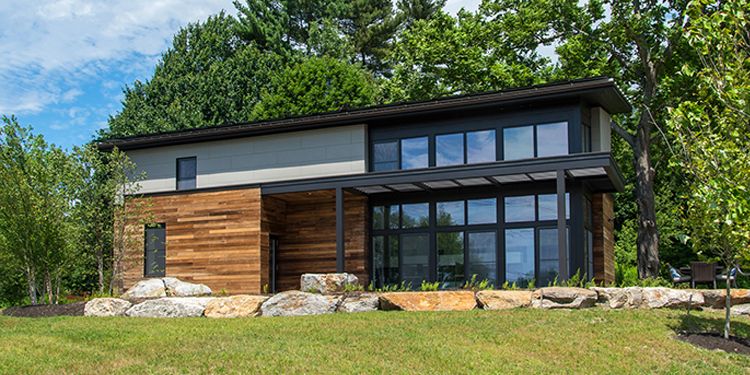
Overcoming the Challenges
While these challenges may seem daunting, they can be overcome with careful planning, knowledge, and the right tools. For instance, you can use power monitoring sustainably to track your home’s energy usage and identify areas for improvement. Additionally, products like portable power generators can help bridge any power gaps in your design.
Ultimately, the benefits of a passive house far outweigh the challenges. With the right approach, you can create a home that is comfortable, energy-efficient, and sustainable.