Skip to content
Bruce Massey Construction Bruce Massey Construction

Where Vision Meets Precision

  • Home
  • About Us
  • Blog
  • Contact Us
    • Terms of Use
    • Privacy Policy
Bruce Massey Construction

Where Vision Meets Precision

Passive Design and Occupant Comfort

Elan James, November 3, 2025November 4, 2025

Understanding the principles of passive design is crucial to achieving optimal comfort levels in a building. The concept revolves around harnessing natural resources like sunlight and wind to maintain a comfortable indoor environment. This guide will delve into the intricacies of passive design and how it enhances occupant comfort.

Passive design strategies can significantly reduce energy consumption, thereby lowering utility bills and promoting sustainability. For more insights on this, you can check out our article on humidity control in passive houses.

Key Elements of Passive Design

Passive design involves several key elements that work together to create a comfortable living environment. These include orientation, insulation, ventilation, and thermal mass. By understanding these elements, architects and builders can create structures that maintain comfortable temperatures throughout the year without relying heavily on mechanical heating or cooling systems.
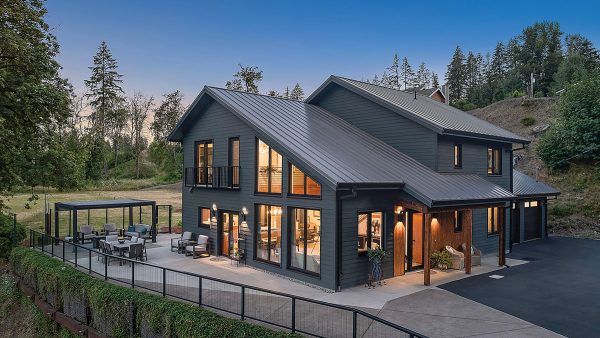
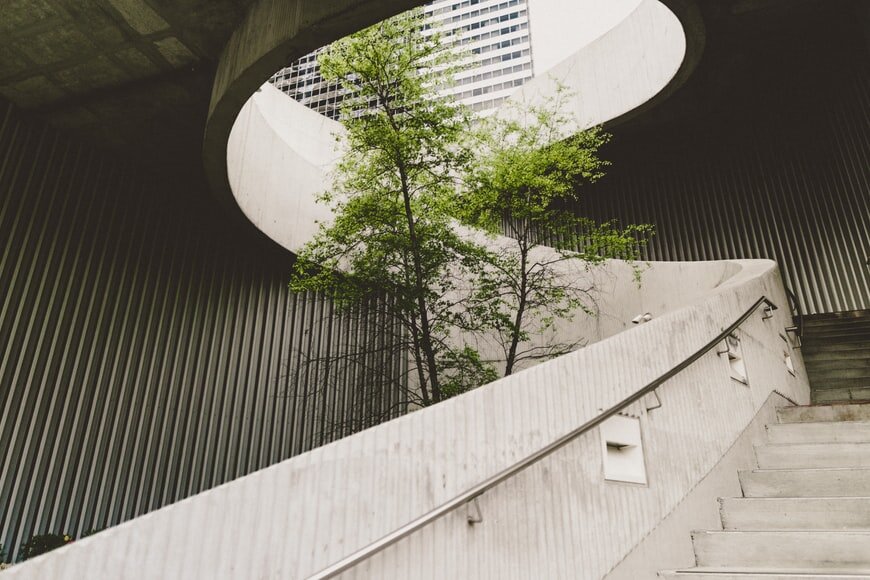
passive design and occupant comfort Passive Design and Occupant Comfort

Benefits of Passive Design

There are many benefits of incorporating passive design strategies into a building. These include improved thermal comfort, reduced energy use, and lower maintenance costs. For a detailed understanding of passive design strategies, consider visiting this descriptive resource.

Improving Occupant Comfort with Passive Design

Passive design plays a significant role in enhancing occupant comfort. By harnessing natural energy sources, it creates a more stable and comfortable indoor environment. This section will explore how passive design contributes to occupant comfort.
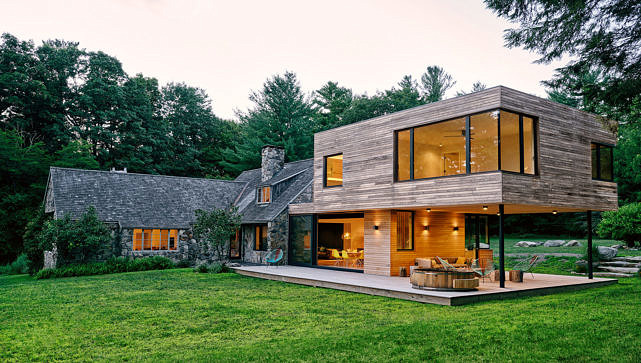
passive design and occupant comfort Passive Design and Occupant Comfort

In conclusion, passive design is a sustainable approach to building design that enhances occupant comfort while reducing energy consumption. To further improve comfort levels in your home, you might want to ensure comfort with Ring cam or improve comfort with backup power.

Blog BlogHow-To Guidespassive design and occupant comfort

Post navigation

Previous post
Next post

Related Posts

Blog Green Construction

Energy-Efficient Homes Guide: Save Money and the Planet

April 23, 2025

The quest for energy efficiency in our homes is more important than ever. As the world focuses on sustainability, it becomes crucial to consider how our homes contribute to our carbon footprint. This energy-efficient homes guide will help you understand the steps involved in transforming your living space into a…

Read More
Blog Attic

Attic lighting placement guide for optimal brightness

June 21, 2025

When it comes to transforming your attic into a functional and inviting space, lighting plays a crucial role. In this Attic lighting placement guide, we’ll explore the best strategies to illuminate your attic, enhancing its usability and aesthetic appeal. Proper lighting not only ensures safety but also elevates the ambiance,…

Read More
Blog Pool

How Often Should You Shock Your Pool? A Big Guide for All

September 6, 2024July 6, 2025

Maintaining a clean and healthy swimming pool is tremendously important for homeowners and real estate developers. A popular question we often hear is, ‘how often should you shock your pool?’ Pool shocking, also known as super-chlorination, is a key process that every pool owner should understand and practice regularly. This…

Read More

Recent Posts

  • Prefabricated Passive Homes
  • Importance of Air Barriers
  • Passive Design for Urban Buildings
  • Passive Design for Urban Buildings
  • Passive House for Multifamily Buildings
©2025 Bruce Massey Construction | WordPress Theme by SuperbThemes