
Understanding how to transform an empty commercial space into a functional, branded workplace is essential for any business planning a relocation or expansion. The office buildout process explained here will help you navigate each phase, from initial planning to move-in, ensuring your project stays on time and within budget. Whether you’re leasing a new space or renovating an existing one, knowing what to expect at every stage can prevent costly mistakes and delays.
Before diving into the details, it’s worth noting that optimizing your workspace is similar to how homeowners maximize their kitchens. For inspiration on making the most of compact spaces, explore kitchen remodeling space optimization tips—many concepts apply to office design as well.
What Is an Office Buildout?
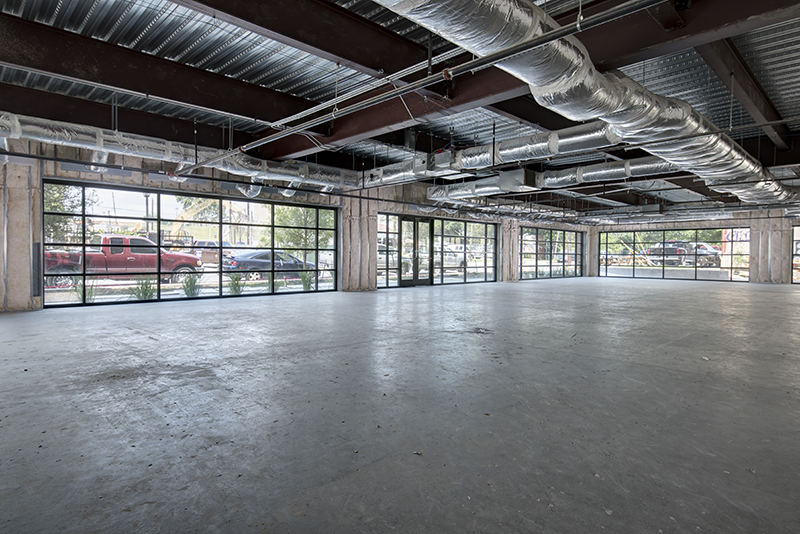
An office buildout refers to the process of customizing a commercial space to fit a tenant’s specific needs. This can range from basic finishes in a new shell space to a full renovation of an existing office. The goal is to create a work environment that supports productivity, reflects company culture, and complies with all safety and accessibility standards.
Buildouts are often negotiated as part of a lease agreement, with landlords sometimes offering tenant improvement allowances to offset costs. The scope can include everything from walls, flooring, and ceilings to lighting, HVAC, and specialized areas like kitchens or conference rooms.
Key Phases of the Office Buildout Journey
The office buildout process explained in detail involves several distinct phases. Each step requires careful planning and coordination among stakeholders, including tenants, landlords, architects, contractors, and project managers.
1. Needs Assessment and Space Planning
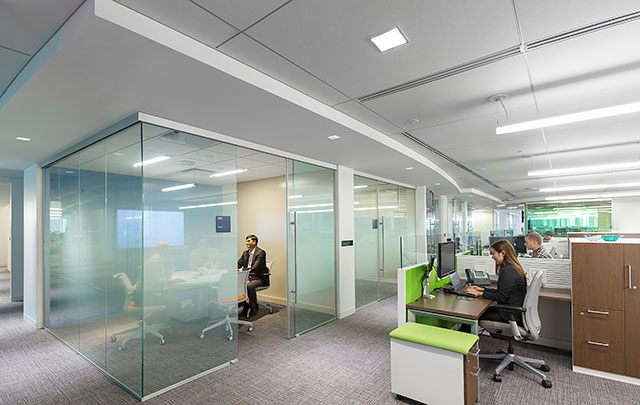
The first step is to identify your organization’s requirements. This includes determining the number of employees, preferred layout (open plan, private offices, or a hybrid), technology needs, and any special features such as break rooms or collaborative zones. Engaging an architect or space planner early can help translate your vision into a practical floor plan.
2. Budgeting and Lease Negotiation
Once you have a clear idea of your needs, establish a realistic budget. This should account for construction, design, permits, furniture, IT infrastructure, and contingency funds. During lease negotiations, discuss tenant improvement allowances and clarify who is responsible for which costs. Understanding the meaning of buildout in commercial real estate can help you negotiate more effectively.
3. Design and Engineering
With a budget and space plan in place, the design phase begins. Architects and engineers develop detailed drawings, select finishes, and specify systems like electrical, plumbing, and HVAC. These plans must comply with local building codes and accessibility standards. It’s also the time to consider sustainable materials and energy-efficient solutions.
4. Permitting and Approvals
Before construction can begin, you’ll need to obtain the necessary permits from local authorities. This process can take several weeks, depending on the complexity of the project and the responsiveness of the permitting office. It’s important to factor this timeline into your overall schedule to avoid unexpected delays.
5. Construction and Buildout
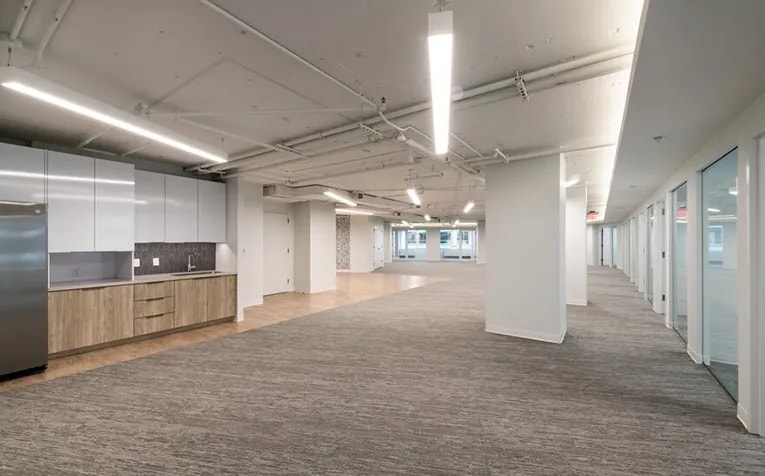
The construction phase transforms your plans into reality. Activities typically include framing walls, installing electrical and plumbing systems, adding ceilings and flooring, painting, and fitting out specialized areas. Regular site meetings with your contractor and project manager help keep the project on track and address any issues promptly.
6. Inspections and Punch List
After construction, the space must pass final inspections to ensure compliance with building codes and safety regulations. A punch list is created to document any incomplete or unsatisfactory work. The contractor addresses these items before final acceptance and occupancy.
7. Move-In and Post-Occupancy Adjustments
Once the space is approved, you can begin moving in furniture, equipment, and staff. It’s common to identify minor adjustments needed after occupancy, such as tweaking lighting or reconfiguring workstations. Address these quickly to ensure a smooth transition and optimal functionality.
Common Challenges and How to Overcome Them
Even with careful planning, office buildouts can encounter obstacles. Delays in permitting, supply chain disruptions, and miscommunication among stakeholders are common issues. To minimize risks:
- Engage experienced professionals early in the process.
- Maintain clear communication with all parties.
- Build flexibility into your schedule and budget for unforeseen circumstances.
- Regularly review progress and address issues as they arise.
Tips for a Successful Office Buildout
To ensure your project runs smoothly and delivers the desired results, consider these best practices:
- Define your goals and must-haves before starting the design.
- Work with a project manager to oversee timelines and budgets.
- Choose contractors and vendors with relevant experience.
- Plan for future growth and flexibility in your layout.
- Incorporate employee feedback to create a space that supports productivity and well-being.
How Office Buildouts Differ From Renovations
While both involve updating a workspace, a buildout typically refers to customizing a new or raw space for a specific tenant, whereas a renovation updates an existing, already-occupied office. Buildouts often start with a blank slate, allowing for more customization, while renovations work within the constraints of the current layout and infrastructure.
Frequently Asked Questions
How long does a typical office buildout take?
The timeline varies depending on the size and complexity of the project. A straightforward buildout for a small office might take 8–12 weeks, while larger or more complex projects can take several months. Factors like permitting, design changes, and supply chain issues can impact the schedule.
Who pays for the office buildout?
Responsibility for buildout costs is usually negotiated in the lease agreement. Landlords may offer a tenant improvement allowance, but tenants often cover any expenses that exceed this amount or relate to highly customized features.
What is included in a typical office buildout?
A standard buildout covers essentials like walls, flooring, ceilings, lighting, HVAC, and basic finishes. Additional features—such as kitchens, conference rooms, or specialized technology—can be included based on the tenant’s needs and budget.