
Moving into a new workspace after a buildout is an exciting milestone for any organization. However, the transition can be complex, with many details to manage before employees can settle in and resume business as usual. A comprehensive office buildout move-in checklist is essential for ensuring nothing is overlooked, from final inspections to IT setup and employee communication.
By following a structured approach, companies can minimize disruptions, avoid costly mistakes, and create a smooth onboarding experience in the new environment. This guide covers the most important steps to take before, during, and after your move, helping you stay organized and confident throughout the process.
For a deeper dive into planning your relocation, see our office buildout relocation planning resource, which outlines step-by-step strategies for a seamless transition.
Why a Detailed Move-In Plan Matters
The process of moving into a newly built or renovated office involves more than just transporting furniture and equipment. Without a clear checklist, it’s easy to miss critical tasks such as safety inspections, IT infrastructure setup, or compliance requirements. A well-organized plan helps teams coordinate efforts, reduces downtime, and ensures that all regulatory and operational needs are addressed before employees arrive.
Key Steps for Your Office Buildout Move-In Checklist
To streamline your move, break down the process into manageable phases. Below are the core elements every business should include in their office buildout move-in checklist to ensure a successful transition.
1. Final Walkthrough and Inspections
- Conduct a thorough walkthrough with your contractor and project manager to verify that all construction and design elements meet specifications.
- Check for any incomplete work, safety hazards, or punch list items that need attention before occupancy.
- Ensure all building permits and compliance certificates are obtained and filed.
2. IT and Technology Setup
- Coordinate with your IT team or provider to install and test network infrastructure, Wi-Fi, phone systems, and security devices.
- Label and map out all data ports, server rooms, and equipment locations for easy troubleshooting later.
- Test all systems before move-in day to avoid technical disruptions.

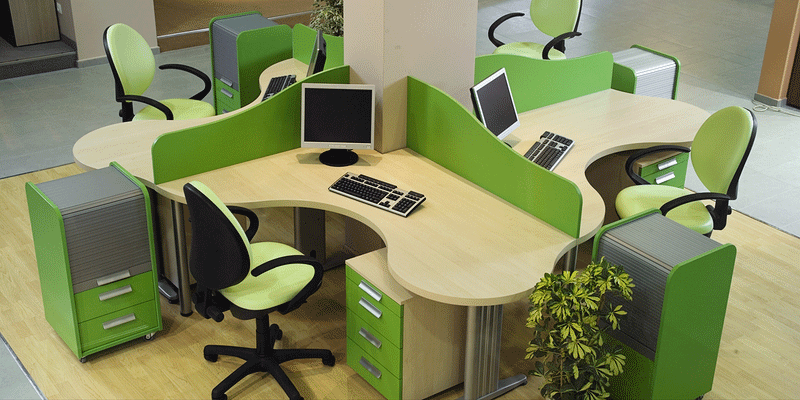
3. Furniture and Workspace Installation
- Arrange for delivery and assembly of desks, chairs, conference tables, and storage units.
- Consider modular options for flexibility; learn more about office buildout modular furniture benefits for adaptable workspace solutions.
- Ensure all furniture is placed according to your floor plan and that pathways are clear for accessibility.
4. Safety, Security, and Compliance Checks
- Install and test fire alarms, extinguishers, emergency lighting, and exit signage.
- Set up access control systems, security cameras, and visitor management protocols.
- Review ADA compliance and make adjustments as needed for accessibility.
5. Cleaning and Facility Preparation
- Schedule a deep clean of the entire office space, including carpets, windows, restrooms, and common areas.
- Stock restrooms and break rooms with supplies before employees arrive.
- Dispose of construction debris and ensure all areas are safe and ready for use.
6. Employee Communication and Change Management
- Share move-in dates, parking details, and access instructions with all staff.
- Provide orientation materials or tours to familiarize employees with the new space.
- For support with organizational transitions, see our office buildout change management guide.
7. Office Supplies and Equipment Inventory
- Take inventory of all office supplies, equipment, and technology assets before the move.
- Order any missing items and coordinate deliveries to the new location.
- Label boxes and equipment for efficient unpacking and setup.
8. Custom Features and Finishing Touches
- Install custom millwork, signage, and branding elements to personalize your workspace. Explore office buildout custom millwork options for design inspiration.
- Set up plants, artwork, and décor to create a welcoming environment.
- Test lighting and climate controls for comfort and energy efficiency.
Coordinating with Contractors and Vendors
Effective collaboration with your buildout contractor and service providers is crucial for a smooth move. Schedule regular check-ins to track progress and address any last-minute issues. If you’re looking for more insight into working with professionals during this phase, this guide to understanding office build-out contractors explains what to expect and how to manage expectations.
Supporting Employee Transitions
Moving to a new office can be disruptive for staff. To ease the adjustment, involve employees early in the process, provide clear timelines, and offer resources for a smooth transition. For more tips on supporting your team, review our office buildout employee transition planning article.
Frequently Asked Questions
What should be included in a move-in checklist for a new office?
A comprehensive checklist should cover final inspections, IT and network setup, furniture installation, safety and compliance checks, cleaning, employee communication, and inventory management. Custom features and branding elements are also important for creating a functional and welcoming workspace.
How far in advance should we start planning our office move?
Planning should begin several months before the move-in date. This allows time for construction, vendor coordination, IT setup, and employee communication. Early planning also helps identify potential challenges and ensures a smooth transition.
How can we minimize downtime during the transition?
To reduce disruptions, schedule IT and furniture installations before employees arrive, communicate clearly with staff, and use a detailed checklist to track progress. Assign responsibilities to team members and work closely with contractors to address any last-minute issues quickly.