


The modern workplace is evolving rapidly, and organizations are rethinking how they design and furnish their office spaces. One of the most significant shifts in recent years is the move toward modular furniture solutions during office buildouts. These adaptable systems offer a range of advantages for businesses aiming to create flexible, efficient, and cost-effective environments. Whether you’re planning a new workspace or renovating an existing one, understanding the advantages of modular furniture in office buildouts can help you make informed decisions that support productivity and growth.
In this article, we’ll explore the key reasons companies are choosing modular systems over traditional fixed furnishings. We’ll also look at how these choices impact everything from employee satisfaction to long-term operational costs. For those interested in exploring other aspects of workspace transformation, such as office buildout custom millwork, there are additional resources available to help you navigate the full range of options.
Understanding Modular Furniture in Office Buildouts
Modular furniture refers to components that can be easily assembled, reconfigured, or relocated to suit changing needs. Unlike traditional built-in desks, partitions, or storage units, modular systems are designed for adaptability. This flexibility is especially valuable during an office buildout, where the goal is to create a workspace that can evolve as the business grows or changes direction.
For a deeper dive into the terminology and process, you can review this comprehensive explanation of office buildout meaning.
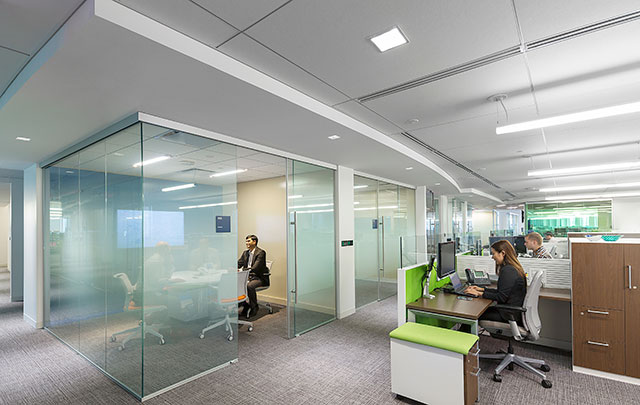
Key Advantages of Modular Furniture for the Workplace
Choosing modular solutions during an office buildout brings several important benefits. Here are some of the most impactful:
1. Flexibility and Adaptability
One of the standout office buildout modular furniture benefits is the ability to adapt the workspace layout quickly and efficiently. As teams grow, shrink, or reorganize, modular desks, partitions, and storage can be rearranged without the need for costly renovations. This adaptability supports agile work styles and makes it easier to accommodate new technology or collaborative zones.
2. Cost Savings Over Time
While the initial investment in modular systems may be comparable to traditional furnishings, the long-term savings are significant. Businesses can avoid repeated construction costs, minimize downtime during reconfigurations, and extend the lifespan of their furniture. The ability to reuse and repurpose components also reduces waste and supports sustainability goals.
3. Enhanced Employee Experience
A well-designed modular environment can improve employee satisfaction and productivity. Adjustable workstations, movable privacy screens, and customizable storage allow individuals and teams to create setups that match their preferences and tasks. This personalization fosters a sense of ownership and can contribute to higher morale.
4. Streamlined Installation and Relocation
Modular furniture is typically easier and faster to install than built-in alternatives. This means less disruption during the initial buildout and any future moves. For companies that anticipate growth or relocation, the ability to disassemble and transport furniture with minimal hassle is a major advantage.
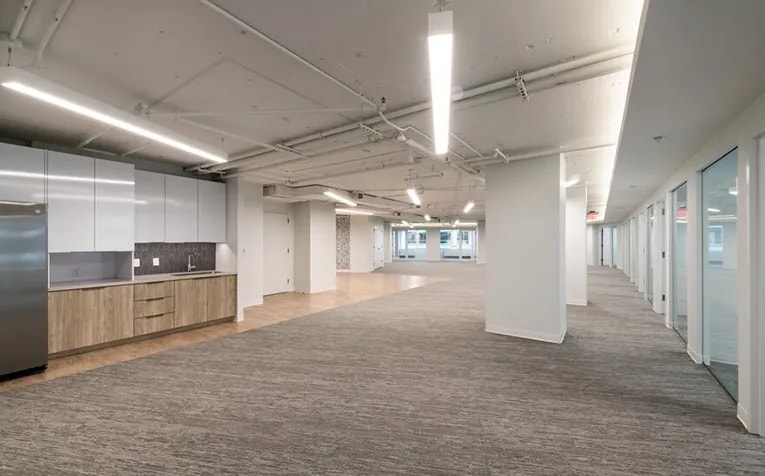
Comparing Modular and Traditional Office Furniture
When planning a new workspace, it’s important to weigh the pros and cons of modular versus traditional furniture. Here is a comparison to help clarify the differences:
| Aspect | Modular Furniture | Traditional Furniture |
|---|---|---|
| Flexibility | Highly adaptable, easy to reconfigure | Fixed, requires renovation to change |
| Installation | Quick and less disruptive | Longer, may require construction |
| Cost Over Time | Lower due to reusability | Higher with each change or move |
| Sustainability | Components reused and repurposed | Often discarded during changes |
| Employee Experience | Customizable for individual needs | Limited personalization |
Integrating Modular Systems with Other Buildout Features
Modular furniture works well alongside other modern office features. For example, integrating these systems with office buildout IoT integration can create a connected, responsive workspace. Similarly, combining modular furnishings with custom millwork or advanced security planning can deliver a tailored environment that meets both aesthetic and functional needs.
As companies focus on creating flexible and secure offices, it’s also worth considering how modular layouts can support office buildout security planning and access control systems. Movable partitions and adaptable layouts make it easier to adjust security zones or accommodate new technologies as requirements evolve.
Practical Considerations for Implementation
To maximize the value of modular systems, it’s important to plan ahead. Here are some practical tips:
- Assess your current and future needs: Consider how your team might grow or change over time, and choose systems that can scale accordingly.
- Work with experienced vendors: Partner with suppliers who specialize in modular solutions and can provide guidance on layout, installation, and maintenance.
- Prioritize quality and durability: Invest in components that are built to last and can withstand frequent reconfiguration.
- Involve employees in the process: Gather feedback from staff about their workspace preferences to ensure the final setup supports productivity and well-being.
Frequently Asked Questions
What types of modular furniture are most common in office buildouts?
The most popular modular options include desks, workstations, storage units, partitions, and collaborative seating. These elements can be mixed and matched to create open-plan layouts, private offices, or breakout zones, depending on organizational needs.
How does modular furniture impact the overall cost of an office buildout?
While upfront costs may be similar to traditional furnishings, modular systems typically lead to lower expenses over time. The ability to reconfigure and reuse furniture reduces the need for new purchases and minimizes waste during renovations or moves.
Can modular furniture support technology integration in modern offices?
Yes, many modular systems are designed with technology in mind. Features like built-in cable management, power modules, and compatibility with digital devices make it easy to integrate the latest tech tools into the workspace.
Is modular furniture suitable for all types of businesses?
Modular solutions are versatile and can be adapted to a wide range of industries and office sizes. Whether you’re a startup, a growing company, or an established enterprise, these systems offer the flexibility to meet diverse requirements.
Conclusion
Embracing modular furniture during an office buildout offers clear advantages in terms of flexibility, cost savings, and employee satisfaction. By understanding the unique benefits and planning carefully, organizations can create workspaces that are both functional and future-ready. For more insights into optimizing your office environment, explore related topics such as office buildout change management and access control solutions.


