
The roof of your home is more than just a cover. It is a vital component that ensures the safety and comfort of your living space. One of the crucial elements of a roof system is the attic roof sheathing. Understanding the different types of roof sheathing can help homeowners and real estate developers make informed decisions for improved home protection.
Attic roof sheathing types vary, and each type offers unique benefits that cater to different needs and preferences. Whether you’re planning a new construction project or considering a renovation, knowing your options can significantly impact the quality and durability of your roof.
What is Attic Roof Sheathing?
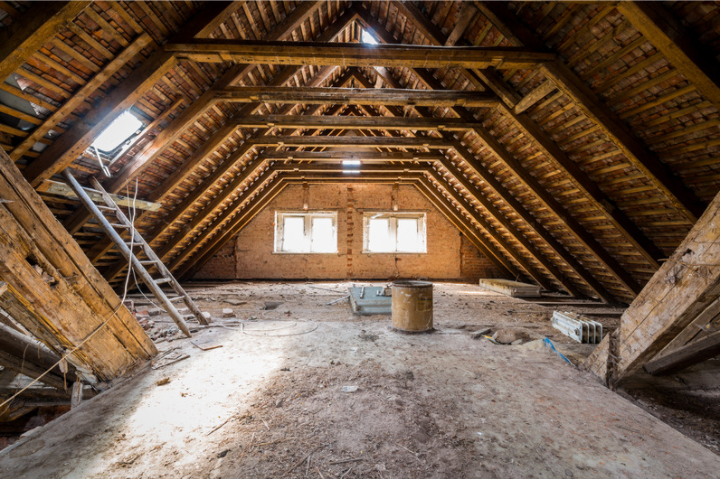
In simple terms, attic roof sheathing serves as the base for your roofing materials. It is a layer of material that is attached to the roof’s trusses and supports the roof covering, such as shingles or tiles. This sheathing is vital as it provides structural support, a base for nailing, and a barrier against environmental elements.
Types of Attic Roof Sheathing
1. Plywood Sheathing
Plywood is one of the most common materials used for attic roof sheathing. It consists of thin wood layers bonded together with adhesives, making it strong and durable. Plywood is known for its ability to withstand moisture, making it ideal for areas with high humidity or frequent rain.
2. Oriented Strand Board (OSB)
OSB is another popular choice for attic roof sheathing. It is made from wood strands that are bonded together with adhesives. OSB is known for being cost-effective and providing excellent strength and rigidity. It is often used in residential construction projects due to its affordability and performance.
3. Waferboard
Waferboard is similar to OSB but is made from larger wood flakes or wafers. While it is less common than plywood and OSB, it can still be used for attic roof sheathing. However, it may not offer the same level of strength and durability as plywood or OSB, making it less ideal for areas prone to intense weather conditions.
4. Tongue and Groove Sheathing
This type of sheathing consists of boards that fit together using a tongue and groove joint. It is often used for roofs that will be exposed to the interior, providing a more finished look. While tongue and groove sheathing offers aesthetic benefits, it may not be as strong as other types, such as plywood or OSB.
5. Composite Roof Sheathing
Composite sheathing combines different materials to achieve enhanced properties. It can be made from a mix of wood fibers, plastics, and other materials. This type of sheathing is designed to offer improved durability and resistance to environmental factors. Composite sheathing is a newer option on the market and can be more expensive than traditional wood-based sheathing.
Factors to Consider When Choosing Roof Sheathing
1. Climate and Weather Conditions
The climate and weather conditions of your area play a significant role in determining the best type of attic roof sheathing. Areas with heavy rainfall or extreme temperatures may require more moisture-resistant and durable sheathing options, such as plywood or composite materials.
2. Budget
Budget is an important consideration for any construction or renovation project. While some sheathing options may be more affordable, it’s essential to weigh their cost against the benefits they offer. OSB is a cost-effective choice, but investing in more durable materials like plywood or composite sheathing can save money in the long run.
3. Aesthetic Preferences
If the attic roof sheathing will be visible from the interior, aesthetic preferences may come into play. Tongue and groove sheathing provides a finished look that can enhance the interior appearance of your attic space.
4. Structural Requirements
The structural requirements of your roof should also be considered. Some roofing projects may require additional strength and support, making plywood or composite sheathing more suitable choices.
Benefits of Proper Roof Sheathing
Having the right attic roof sheathing provides several benefits. It enhances the structural integrity of your roof, offers protection against moisture and environmental elements, and serves as a stable base for roofing materials. Proper sheathing can extend the lifespan of your roof and contribute to the overall safety and comfort of your home.
Common Installation Mistakes
When installing attic roof sheathing, it’s essential to avoid common mistakes that can compromise its effectiveness. One common mistake is improper fastener placement, which can weaken the sheathing’s structural integrity. Incorrect spacing between sheets can also lead to issues with moisture resistance and support.
Maintenance Tips for Roof Sheathing
Regular maintenance is crucial to ensure the longevity and performance of your roof sheathing. Inspect your attic regularly for signs of damage, such as water stains or mold growth. Address any issues promptly to prevent further damage. Keeping your attic well-ventilated can also help maintain the condition of your sheathing.
FAQs About Attic Roof Sheathing
1. What is the most common type of attic roof sheathing?
Plywood is the most common type of attic roof sheathing due to its strength, durability, and moisture resistance.
2. Can attic roof sheathing improve energy efficiency?
Yes, proper attic roof sheathing can contribute to better insulation and energy efficiency by providing a stable base for roofing materials and reducing air leaks.
3. How often should attic roof sheathing be inspected?
It’s recommended to inspect attic roof sheathing at least once a year, especially after severe weather events, to identify any signs of damage or wear.
For more information on attic projects, you can visit Ceiling Insulation, Organization DIY, and Repair Trusses.
External resources such as Before and After Attic Makeovers can provide additional insights and visual inspiration for your attic projects.
This article contains affiliate links. We may earn a commission at no extra cost to you.