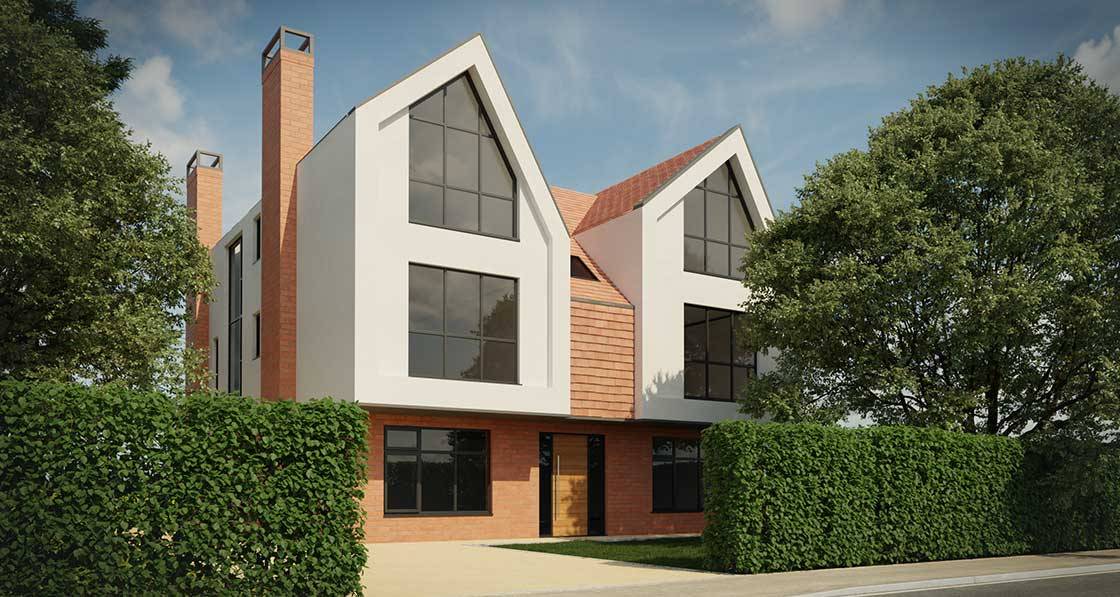
Effective airflow management is a crucial aspect of building a healthy, energy-efficient, and comfortable home. Thoughtful home construction airflow planning ensures that fresh air circulates throughout the living spaces, moisture is controlled, and indoor air quality remains high. Whether you are working with a builder or taking on a renovation, understanding the fundamentals of airflow design can help you avoid common pitfalls and maximize your investment.
In this article, you’ll discover practical strategies for designing an optimal ventilation system, learn about the key components involved, and get actionable tips for integrating airflow solutions into your construction project. You’ll also find guidance on selecting the right equipment and maintaining a balanced indoor environment for years to come.
For those interested in optimizing other areas of the home, such as the kitchen, you might find kitchen remodeling space optimization tips helpful as well.
Why Airflow Matters in New Home Builds
Proper ventilation is more than just comfort—it’s about health, safety, and efficiency. Without a well-designed airflow system, homes can suffer from stale air, excessive humidity, and even the buildup of harmful pollutants. These issues can lead to mold growth, structural damage, and increased utility costs.
- Indoor Air Quality: A well-ventilated home reduces allergens, dust, and volatile organic compounds (VOCs), creating a healthier environment for occupants.
- Moisture Control: Effective airflow helps manage humidity, preventing condensation and mold in walls, attics, and crawlspaces.
- Energy Efficiency: Balanced ventilation systems can lower heating and cooling costs by distributing conditioned air more evenly.
Key Principles of Home Airflow Design
When planning ventilation for a new build or remodel, several core principles should guide your decisions:
- Balanced Air Exchange: Ensure that the amount of air entering and leaving the home is equal, preventing pressure imbalances that can draw in contaminants or cause drafts.
- Zoned Ventilation: Different areas of the home have unique airflow needs. Kitchens, bathrooms, and laundry rooms require targeted exhaust systems, while living spaces benefit from gentle, continuous circulation.
- Airflow Pathways: Design clear routes for air to move from supply vents to return grilles, minimizing obstructions and dead zones.
- Sealing and Insulation: Properly sealed ducts and insulated walls help maintain desired temperatures and prevent energy loss.
Components of a Modern Ventilation System
Modern homes often combine several types of ventilation to achieve optimal results. Here are the main components to consider during home construction airflow planning:
- Supply Vents: Introduce fresh, filtered air into living spaces.
- Return Grilles: Draw stale air back to the HVAC system for conditioning or exhaust.
- Exhaust Fans: Remove moisture and odors from kitchens, bathrooms, and laundry areas.
- Whole House Fans: Quickly exchange indoor air with outdoor air, especially useful in mild climates.
- Heat Recovery Ventilators (HRVs) and Energy Recovery Ventilators (ERVs): Exchange heat and moisture between incoming and outgoing air, improving efficiency.

Planning Airflow for Different Home Zones
Each area of a house has unique ventilation requirements. Here’s how to approach airflow planning for common zones:
Living Areas and Bedrooms
These spaces benefit from a steady supply of filtered air. Supply vents should be placed away from return grilles to promote circulation. Avoid blocking vents with furniture or drapes. Consider using HRVs or ERVs for energy-efficient fresh air exchange.
Kitchens
Cooking generates heat, moisture, and odors. Install a high-quality range hood vented to the outside. Ductwork should be as short and straight as possible to maximize efficiency. For more ideas on optimizing kitchen layouts, check out kitchen remodeling space optimization tips.
Bathrooms and Laundry Rooms
Moisture control is critical in these areas. Use exhaust fans with timers or humidity sensors to remove damp air quickly. Ensure fans are ducted outdoors, not into attics or crawlspaces.
Attics and Crawlspaces
These areas require passive or mechanical ventilation to prevent moisture buildup and protect structural elements. Soffit and ridge vents, or powered fans, can help maintain airflow.
Best Practices for Airflow System Installation
To ensure your ventilation system performs as intended, follow these best practices:
- Work with Professionals: Engage HVAC designers or contractors experienced in airflow planning for new homes.
- Test and Balance: After installation, have the system tested and balanced to verify even air distribution and correct pressure levels.
- Choose Quality Materials: Use rigid ductwork where possible, and properly seal all joints to prevent leaks.
- Plan for Maintenance: Select equipment with accessible filters and easy-to-clean components to simplify upkeep.
Improving Air Quality with Filtration and Ventilation
Combining mechanical ventilation with effective filtration is key to maintaining healthy indoor air. Consider these options:
- High-Efficiency Filters: Upgrade HVAC filters to MERV 13 or higher to capture fine particles and allergens.
- Dedicated Air Purifiers: Use portable or whole-house air cleaners for added protection, especially in homes with pets or allergy sufferers.
- Smart Controls: Integrate humidity and air quality sensors to automate fan operation and maintain optimal conditions.
For a deeper dive into residential ventilation options, see this comprehensive guide to home ventilation systems.
Common Mistakes to Avoid in Airflow Planning
Even with the best intentions, certain missteps can undermine your ventilation strategy. Watch out for these pitfalls:
- Undersized Ducts: Restrict airflow and reduce system efficiency.
- Poor Placement: Locating vents behind doors or furniture limits effectiveness.
- Ignoring Exhaust Needs: Failing to vent bathrooms and kitchens properly leads to moisture and odor problems.
- Overlooking Air Sealing: Leaky ducts and unsealed penetrations waste energy and compromise air quality.
FAQ: Airflow Planning for Residential Construction
What is the most important factor in designing a home ventilation system?
The most critical aspect is achieving balanced airflow—ensuring that supply and exhaust are matched to prevent pressure imbalances. This helps maintain indoor air quality and comfort throughout the home.
How can I tell if my new home has adequate airflow?
Signs of proper ventilation include consistent temperatures, low humidity, and minimal odors or condensation. If you notice stuffy rooms, persistent moisture, or uneven heating/cooling, your system may need adjustment.
Are energy recovery ventilators worth the investment?
ERVs and HRVs are excellent for modern, airtight homes. They recover heat and moisture from outgoing air, improving energy efficiency while delivering fresh air. Their value increases in climates with extreme temperatures or high humidity.
Thoughtful home construction airflow planning is essential for creating a safe, efficient, and comfortable living environment. By understanding the principles of ventilation, selecting the right components, and following best practices, you can ensure your new home remains healthy and enjoyable for years to come.