Planning a kitchen renovation involves more than just picking out new cabinets and countertops. One of the most important aspects is understanding the kitchen remodeling structural considerations that can impact the safety, functionality, and long-term value of your home. Whether you’re opening up walls, moving appliances, or changing the layout, structural elements must be carefully evaluated to avoid costly mistakes and ensure a successful project.
This guide covers the essential factors every homeowner should keep in mind when tackling a kitchen upgrade. From load-bearing walls to plumbing and electrical adjustments, we’ll walk through what you need to know before making major changes. For those interested in achieving a harmonious kitchen design, you may also find value in our kitchen remodeling visual balance tips article, which explores how to create a cohesive and visually appealing space.

Understanding Load-Bearing Walls and Their Impact
One of the first steps in any kitchen renovation is identifying which walls are load-bearing. These walls support the weight of your home’s structure above, including floors, roof, and ceiling. Removing or altering a load-bearing wall without proper support can cause serious structural damage and safety risks.
Before making any changes, consult with a licensed contractor or structural engineer. They can determine which walls are critical and recommend safe ways to open up the space, such as installing beams or posts. If you’re planning an open-concept kitchen, this step is especially important for maintaining the integrity of your home.
Floor Plan Changes and Structural Adjustments
Many homeowners want to reconfigure their kitchen layout for better flow and functionality. However, moving walls, doors, or windows often requires structural modifications. Key kitchen remodeling structural considerations in this area include:
- Header Installation: If you’re removing a wall, a properly sized header beam may be needed to carry the load.
- Foundation Support: Major changes may require additional footings or foundation work, especially in older homes.
- Ceiling and Floor Framing: Changes to the ceiling or floor plan can impact joists and beams, which must be reinforced as needed.
Always have a professional assess your plans before starting demolition to avoid unexpected surprises and ensure compliance with local building codes.

Plumbing and Electrical Relocation Concerns
Relocating sinks, dishwashers, or stoves often means moving plumbing and electrical lines. These changes can have significant structural implications, especially if you need to cut into joists or studs. Some important points to consider:
- Water Supply and Drainage: Extending or rerouting pipes may require opening up floors or walls. Improper installation can lead to leaks and water damage.
- Electrical Upgrades: Modern kitchens require more outlets and dedicated circuits. All wiring must meet current electrical codes for safety.
- Gas Lines: Moving a gas stove involves licensed professionals to ensure proper venting and leak prevention.
Plan these changes early and coordinate with licensed plumbers and electricians. This helps avoid costly delays and ensures your kitchen meets safety standards.
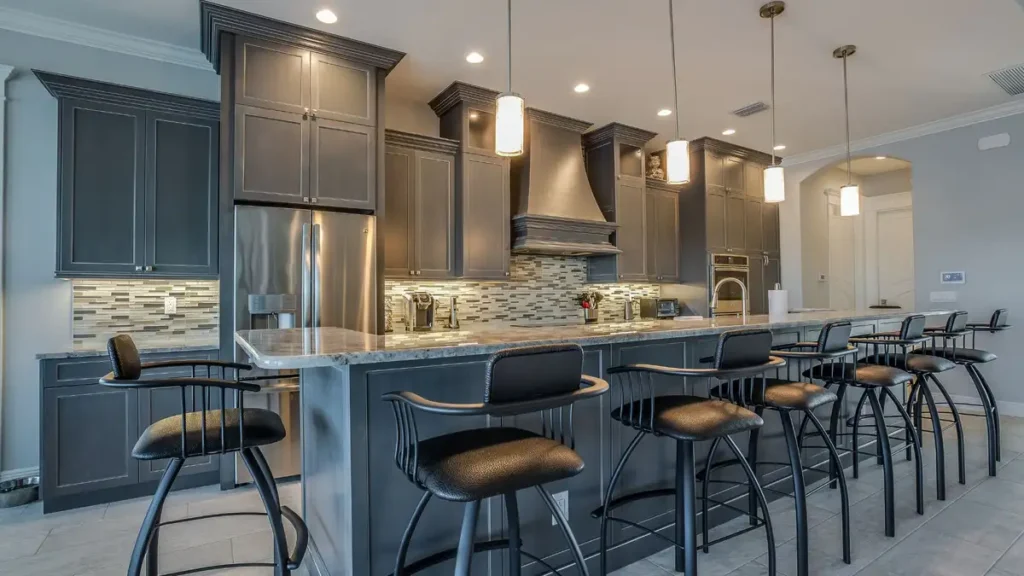
Structural Considerations for Kitchen Islands and Peninsulas
Adding an island or peninsula can transform your kitchen’s functionality and appearance. However, these features require careful planning to avoid structural issues. Key factors include:
- Floor Support: Large islands with heavy countertops (such as granite or concrete) may need additional floor reinforcement.
- Utility Access: If your island includes a sink or cooktop, plumbing and electrical lines must be safely routed through the floor.
- Clearances: Ensure there’s enough space for safe movement and appliance doors to open fully.
Consult with your contractor to determine if your floor can handle the added weight and if utility connections are feasible. For more inspiration on integrating appliances seamlessly, see our kitchen remodeling hidden appliance ideas resource.
Material Choices and Their Structural Effects
The materials you select for floors, countertops, and cabinetry can affect the overall structure of your kitchen. For example, stone countertops are much heavier than laminate, and solid wood cabinets can add significant weight to walls and floors. Consider these points:
- Countertop Weight: Verify that base cabinets and floors can support the chosen material.
- Wall-Mounted Cabinets: Use proper anchors and fasteners, especially on drywall or plaster.
- Flooring: Some flooring materials require a perfectly level and stable subfloor to prevent cracking or shifting.
Discuss your material choices with your contractor to ensure your kitchen’s structure can handle them safely and effectively.
Building Codes, Permits, and Inspections
All major kitchen renovations must comply with local building codes. These regulations are designed to protect your home’s structural integrity and occupant safety. Key steps include:
- Obtaining Permits: Most municipalities require permits for structural changes, plumbing, and electrical work.
- Scheduling Inspections: Inspections ensure that work meets code requirements and is completed safely.
- Working with Professionals: Licensed contractors are familiar with code requirements and can help navigate the permitting process.
Skipping permits or inspections can lead to fines, insurance issues, and problems when selling your home. Always follow local regulations to protect your investment.
Integrating Structural Planning with Design Goals
While structural factors are critical, they should work hand-in-hand with your design vision. Early collaboration between your designer, contractor, and structural engineer helps ensure that your dream kitchen is both beautiful and safe. For more advice on achieving a cohesive look, check out our kitchen remodeling style planning guide.
For additional design inspiration and layout ideas, you can also explore these kitchen remodel design ideas from a trusted appliance brand.
Common Mistakes to Avoid in Kitchen Renovations
Many homeowners make the mistake of overlooking structural details during a remodel. Here are some pitfalls to watch out for:
- Removing or altering load-bearing walls without proper support
- Neglecting to reinforce floors for heavy islands or appliances
- Improperly relocating plumbing or electrical lines
- Skipping permits and inspections
- Choosing materials that exceed structural limits
By keeping these kitchen remodeling structural considerations in mind, you can avoid costly errors and create a kitchen that stands the test of time.
Frequently Asked Questions
How do I know if a wall in my kitchen is load-bearing?
Load-bearing walls typically run perpendicular to floor joists and support the weight of the structure above. However, it’s best to consult a structural engineer or qualified contractor to confirm before making any changes. Never remove or modify a wall without professional guidance.
Can I move my kitchen sink or stove to a new location?
Yes, but relocating sinks or stoves involves moving plumbing, electrical, or gas lines. This often requires opening up floors or walls and may impact the structure. Always work with licensed professionals to ensure the changes are safe and up to code.
Do I need a permit for my kitchen remodel?
Most structural changes, as well as plumbing and electrical work, require permits. Check with your local building department to understand the specific requirements in your area. Working without permits can result in fines and complications when selling your home.
What should I consider when adding a kitchen island?
Ensure your floor can support the weight of the island, especially if using heavy materials like stone. Plan for proper clearances, and if you’re adding plumbing or electrical, coordinate with professionals to route utilities safely.
How can I make sure my kitchen remodel is structurally sound?
Work with experienced contractors, consult structural engineers when making major changes, and always follow local building codes. Proper planning and professional oversight are key to a safe and successful renovation.