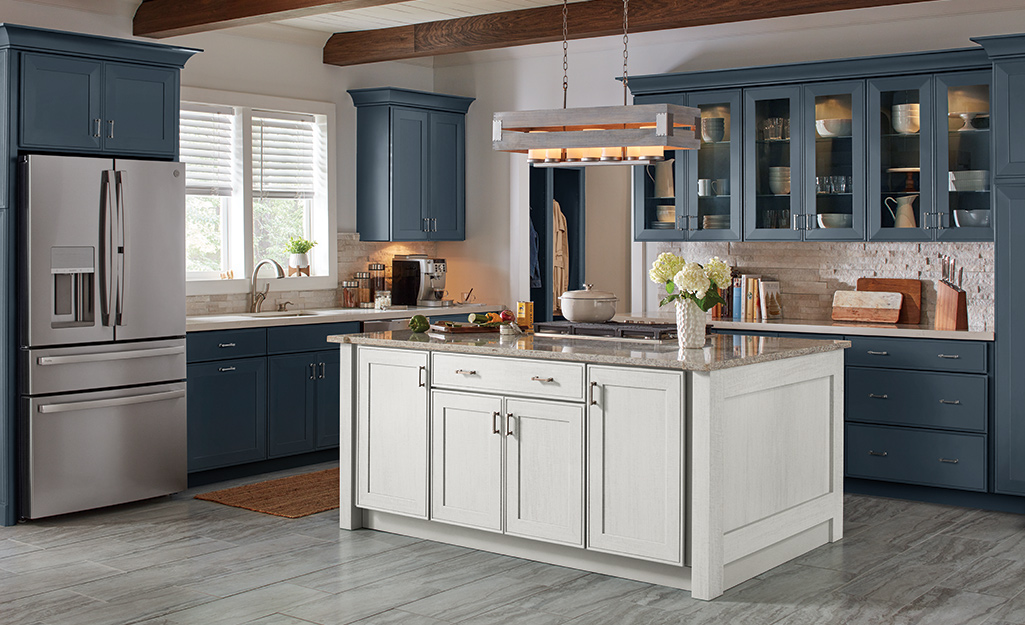

Tackling a kitchen renovation can feel overwhelming, but understanding the kitchen remodeling workflow explained in a clear, step-by-step manner can make the process more manageable and efficient. Whether you’re planning a full overhaul or a targeted upgrade, a well-structured approach helps minimize delays, control costs, and ensure a smooth transformation. This article breaks down the essential stages, offers practical tips for streamlining each phase, and highlights common pitfalls to avoid.
Before diving into the details, it’s helpful to explore related topics such as kitchen remodeling visual balance tips to ensure your design choices create a harmonious and functional space.
Why a Structured Kitchen Renovation Process Matters
A clear sequence of steps is the backbone of any successful kitchen upgrade. Without a logical order, projects can stall, budgets may spiral, and the end result might not meet expectations. By following an organized process, you can coordinate contractors, deliveries, and inspections efficiently, reducing stress and costly mistakes.
Homeowners and professionals alike benefit from a defined workflow. It provides a roadmap for decision-making, helps set realistic timelines, and ensures that each task builds on the previous one for a seamless outcome.
Key Phases in an Efficient Kitchen Remodel
Let’s walk through the main stages that make up a streamlined kitchen renovation. Each phase has its own set of tasks, and understanding their order is crucial for keeping the project on track.
1. Planning and Design: Laying the Foundation
Every successful kitchen transformation starts with thoughtful planning. Begin by assessing your needs, setting a realistic budget, and gathering inspiration. Consult with designers or use online resources to refine your vision. This is also the time to research materials, appliances, and finishes that fit your lifestyle and aesthetic.
Consider reading guides like kitchen remodeling style planning guide for cohesive interiors. During this phase, create detailed floor plans, elevations, and select all fixtures and finishes. The more decisions you make upfront, the fewer surprises you’ll face later.
2. Permits and Approvals: Ensuring Compliance
Before any demolition or construction begins, check with your local building department about necessary permits. Most municipalities require approval for structural changes, electrical upgrades, or plumbing modifications. Securing permits early helps you avoid delays and ensures your project meets safety standards.
3. Demolition: Clearing the Way
Once plans are finalized and permits are in hand, it’s time to remove old cabinets, appliances, and finishes. Protect adjacent areas from dust and debris with proper barriers. Efficient demolition sets the stage for a clean installation and helps keep the project moving forward.

4. Structural and Systems Work: The Hidden Essentials
With the space cleared, address any structural changes such as moving walls or reinforcing supports. Next, update plumbing, electrical, and HVAC systems as needed. This is the stage for rough-ins—installing pipes, wires, and vents before walls and floors are finished. Proper coordination here prevents costly rework later.
5. Flooring, Walls, and Ceilings: Building the Envelope
Once the behind-the-scenes work is complete and inspected, install new flooring, repair or replace drywall, and paint. Consider moisture-resistant materials for durability. At this point, the kitchen starts to take shape visually.
6. Cabinetry and Countertops: Bringing Function and Style
Cabinets are typically installed before countertops. Accurate measurements and level installation are crucial for a polished look and proper appliance fit. After cabinets, template and install countertops, allowing for any necessary adjustments.
For guidance on hardware selection, the kitchen remodeling hardware style guide can help you choose pulls and knobs that complement your design.
7. Appliances and Fixtures: The Finishing Touches
With cabinets and counters in place, install appliances, sinks, and faucets. Connect all plumbing and electrical fixtures, and test for proper operation. This is also the time to add lighting, such as recessed fixtures or under-cabinet LEDs, to enhance both function and ambiance.
8. Final Details and Clean-Up: Completing the Transformation
The last phase includes installing backsplashes, hardware, and any open shelving. Touch up paint, clean all surfaces, and remove debris. Conduct a final walkthrough to ensure everything meets your expectations and address any outstanding issues.

Tips for Streamlining the Kitchen Renovation Sequence
- Plan ahead: Make as many decisions as possible before work begins to avoid delays.
- Order materials early: Cabinets, appliances, and custom items can have long lead times.
- Communicate clearly: Keep open lines of communication with contractors and suppliers.
- Schedule inspections promptly: Timely inspections prevent bottlenecks in the workflow.
- Stay flexible: Unexpected issues can arise; build some contingency time and budget into your plan.
For more inspiration and practical advice, check out these kitchen remodeling ideas from Better Homes & Gardens.
Common Mistakes to Avoid During a Kitchen Makeover
- Skipping the planning phase: Rushing into demolition without a clear plan can lead to costly errors.
- Neglecting workflow order: Installing flooring before completing rough plumbing or electrical can result in damage and rework.
- Underestimating the budget: Failing to account for hidden costs or changes can derail your project.
- Overlooking lighting and ventilation: Proper lighting and airflow are essential for a functional kitchen.
- Ignoring storage needs: Plan for adequate cabinetry and organizational solutions to maximize space.
If you’re interested in maximizing practicality, the kitchen remodeling cleaning zone layout ideas article provides helpful strategies for organizing your space.
Optimizing Workflow for Modern Kitchens
Today’s kitchens often feature integrated appliances and sleek finishes. For a streamlined look, consider reading about kitchen remodeling hidden appliance ideas. Incorporating these elements requires careful planning during the design and installation phases to ensure proper fit and function.
Efficiency isn’t just about speed—it’s about making smart choices at every stage. By following a logical sequence and paying attention to details, you can achieve a kitchen that’s both beautiful and highly functional.
Frequently Asked Questions
How long does a typical kitchen remodel take?
The timeline varies depending on the scope and complexity, but most kitchen renovations take between six and twelve weeks from demolition to completion. Delays can occur due to material shortages, permit approvals, or unexpected issues uncovered during demolition.
What is the most important step in the kitchen renovation process?
Thorough planning is the foundation of a successful project. Investing time upfront to finalize your design, budget, and material selections will save time and money throughout the workflow.
Should I hire a professional or manage the remodel myself?
While some homeowners choose to manage their own projects, hiring experienced professionals can help avoid common pitfalls and ensure the job meets local codes. Professionals bring expertise in sequencing, sourcing, and troubleshooting that can be invaluable for complex renovations.