
Upgrading your kitchen’s lighting is one of the most effective ways to transform both its function and atmosphere. Whether you’re planning a full renovation or simply updating fixtures, understanding the best lighting for kitchen remodeling can help you achieve a space that’s both practical and visually appealing. The right illumination not only improves visibility for cooking and cleaning but also highlights design features, sets the mood, and enhances the overall value of your home.
In this article, we’ll break down the main types of kitchen lighting, offer expert advice on placement, and share design tips to help you create a layered, balanced lighting plan. If you’re also interested in achieving a harmonious look, be sure to check out these kitchen remodeling visual balance tips for more inspiration.
Understanding Kitchen Lighting Layers
A well-lit kitchen relies on a layered approach, combining different types of lighting to serve various purposes. The three main layers are:
- Ambient lighting: Provides general illumination for the entire room, ensuring safe movement and a welcoming feel.
- Task lighting: Focuses on specific work areas, such as countertops, sinks, and stovetops, where detailed activities take place.
- Accent lighting: Highlights architectural features, backsplashes, or decorative elements, adding depth and personality to the space.
Combining these layers is essential for achieving the best lighting for kitchen remodeling projects, as it ensures both functionality and style.
Choosing the Right Fixtures for Your Kitchen Remodel
Selecting fixtures that fit your kitchen’s layout and design is crucial. Here are some popular options for each lighting layer:
Ambient Lighting Solutions
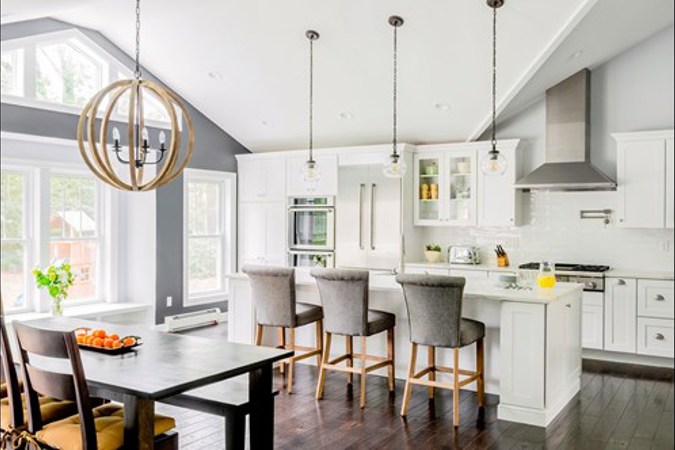
For general illumination, ceiling-mounted fixtures such as recessed lights, flush mounts, or large pendant lights are popular. Recessed lighting, in particular, offers a clean look and even distribution of light. When planning placement, space fixtures evenly across the ceiling and consider using dimmers for adjustable brightness.
Task Lighting: Focus Where You Need It Most
Task lighting is critical for food prep, cooking, and cleaning. Under-cabinet LED strips or puck lights are excellent for illuminating countertops without casting shadows. Pendant lights above islands or peninsulas provide focused light for meal prep and casual dining. For the sink area, consider a small pendant or adjustable spotlight.
When installing task fixtures, position them so the light falls in front of you, not behind, to avoid shadows. Layering in these focused lights ensures your kitchen is both safe and efficient.
Accent and Decorative Lighting Ideas
Accent lighting adds dimension and highlights your kitchen’s unique features. Options include LED strips above cabinets, toe-kick lighting along the base, or small spotlights to showcase open shelving or artwork. Decorative fixtures, like statement pendants or chandeliers, can serve as focal points and reinforce your design style.
For more ideas on creating a cohesive look, explore this kitchen remodeling style planning guide for tips on blending lighting with cabinetry, hardware, and finishes.
Placement Strategies for Optimal Kitchen Lighting
Proper placement is just as important as fixture selection. Here are some practical tips to help you get the most out of your lighting plan:
- Recessed lights should be spaced 4–6 feet apart for even coverage. Avoid placing them directly over cabinet doors to prevent glare.
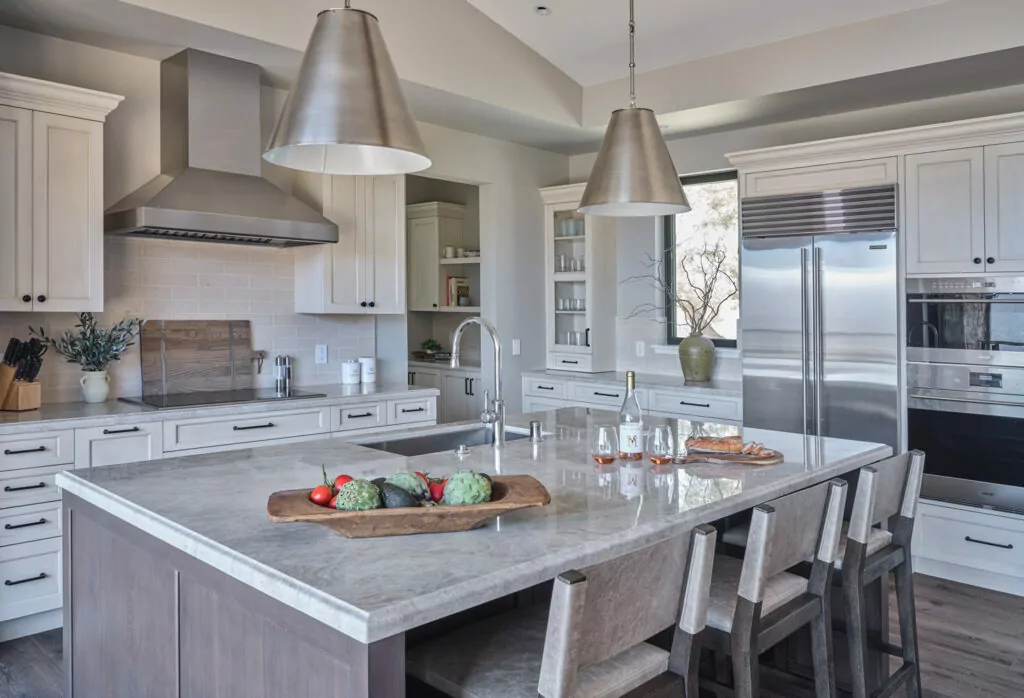
- Pendant lights above an island should hang 30–36 inches above the countertop and be spaced 24–30 inches apart, depending on fixture size and island length.
- Under-cabinet lights should be installed toward the front of the cabinet bottom for maximum countertop illumination.
- Use dimmers on all main fixtures to adjust brightness for different tasks and moods.
- Layer accent lighting to highlight backsplashes, open shelving, or architectural details.
Color Temperature and Bulb Selection
The color temperature of your bulbs affects the kitchen’s mood and functionality. For most kitchens, a neutral white (around 3000K–4000K) is ideal, balancing warmth and clarity. Warmer tones (2700K) create a cozy feel, while cooler tones (5000K) offer crisp, daylight-like illumination—great for task areas but potentially harsh if overused.
Choose energy-efficient LED bulbs for longevity and lower utility costs. Many modern LEDs are dimmable and available in a range of color temperatures, making them versatile for all kitchen zones.
Integrating Lighting with Kitchen Design
Lighting should enhance your kitchen’s style, not compete with it. Match fixture finishes to your cabinet hardware or faucet for a coordinated look. For example, matte black or brushed nickel lights can complement contemporary or transitional spaces, while antique brass or glass fixtures suit more traditional designs.
If you’re incorporating hidden appliances or want a streamlined appearance, consider reading about kitchen remodeling hidden appliance ideas to keep your lighting and appliances working in harmony.
Common Mistakes to Avoid in Kitchen Lighting Plans
- Relying solely on overhead fixtures, which can create shadows and leave work areas dim.
- Ignoring the importance of task and accent lighting for both safety and aesthetics.
- Choosing bulbs with mismatched color temperatures, resulting in an inconsistent look.
- Overlooking dimmer switches, which add flexibility for different activities and times of day.
- Placing fixtures without considering cabinet doors or appliance locations, which can cause glare or blocked light.
Expert Resources and Inspiration
For more design ideas and layout inspiration, explore kitchen lighting and design galleries from trusted sources. These resources can help you visualize different fixture styles, placements, and color schemes to suit your remodeling goals.
If you’re planning a practical kitchen layout, our guide on kitchen remodeling cleaning zone layout ideas offers tips on integrating lighting with workflow and organization.
Frequently Asked Questions
What is the most important type of lighting in a kitchen remodel?
While all layers are important, task lighting is often considered the most critical because it ensures safe and efficient food preparation. However, combining ambient, task, and accent lighting creates the most functional and attractive result.
How do I choose the right color temperature for kitchen lights?
A neutral white (3000K–4000K) is generally best for kitchens, offering a balance between inviting warmth and clear visibility. Use warmer tones for dining areas or accent lights, and cooler tones for task areas if needed.
How can I avoid shadows on my countertops?
Install under-cabinet lighting toward the front edge of the cabinets and ensure overhead fixtures are spaced evenly. Avoid placing lights directly behind you when working at the counter, as this will cast shadows.
Can I mix different lighting fixture styles in my kitchen?
Yes, mixing styles can add visual interest, but keep finishes and color temperatures consistent for a cohesive look. For example, you might pair sleek recessed lights with decorative pendants, as long as they complement your overall design.
Thoughtful planning and attention to detail will help you achieve the best lighting for kitchen remodeling projects, creating a kitchen that’s both beautiful and highly functional.