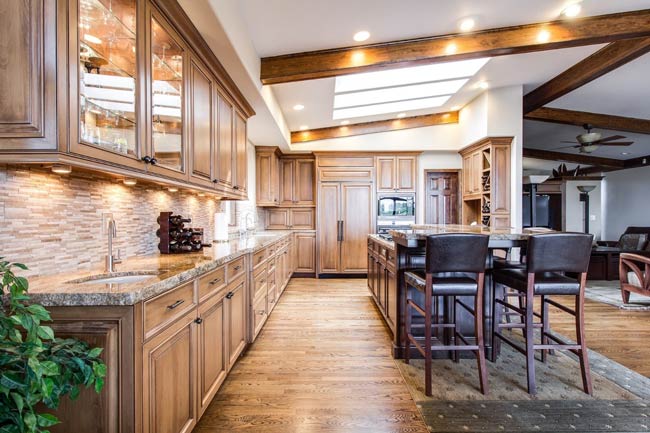

The modern kitchen has evolved from a simple cooking space into the heart of the smart home. As technology continues to advance, integrating the latest innovations into your kitchen remodel can boost convenience, efficiency, and even property value. Whether you’re planning a full renovation or a targeted upgrade, understanding how to blend smart devices and systems seamlessly into your design is essential. This article offers practical guidance and kitchen remodeling technology integration tips to help you create a connected, future-ready kitchen.
Before diving into specific strategies, it’s important to consider your household’s needs, daily routines, and the existing infrastructure of your home. Thoughtful planning ensures that your investment in smart kitchen features delivers real benefits, from energy savings to improved workflow. If you’re also interested in maximizing space and flow, you might find inspiration in these open concept kitchen remodeling ideas.
Why Smart Kitchen Upgrades Matter
Integrating technology into your kitchen remodel is about more than adding gadgets. It’s about creating a space that adapts to your lifestyle, streamlines daily tasks, and supports sustainability. Smart appliances, lighting, and automation systems can help you save time, reduce energy consumption, and enhance safety.
- Convenience: Control appliances, lighting, and climate with your voice or smartphone.
- Efficiency: Automate routines like coffee brewing, oven preheating, or grocery tracking.
- Safety: Get alerts for smoke, leaks, or open refrigerator doors.
- Energy Savings: Monitor and reduce electricity and water usage with connected devices.
Planning for Seamless Technology Integration
Successful kitchen remodeling technology integration tips start with a clear plan. Consider these steps before selecting devices or systems:
- Assess Your Current Setup: Identify which appliances or features you want to upgrade and check your home’s Wi-Fi strength in the kitchen.
- Set Priorities: Decide which smart features matter most—such as voice control, automation, or energy monitoring.
- Plan Infrastructure: Ensure you have enough outlets, USB ports, and wiring for new devices. Consider hiring a professional for electrical updates.
- Choose Compatible Devices: Select products that work together, ideally within the same ecosystem (e.g., Google Home, Amazon Alexa, Apple HomeKit).
- Think About Future Expansion: Leave room for adding new devices as technology evolves.
For a smooth renovation process, review this kitchen remodeling planning checklist to ensure you don’t overlook key steps.
Smart Appliances and Connected Devices
The range of smart kitchen appliances continues to grow. Here are some of the most impactful options to consider:
- Smart Refrigerators: These models offer features like touch screens, internal cameras, and inventory tracking. Some can suggest recipes based on what’s inside.
- Wi-Fi Enabled Ovens and Ranges: Preheat, adjust temperatures, or set timers remotely. Some models integrate with voice assistants for hands-free operation.
- Dishwashers with App Control: Monitor cycles, receive maintenance alerts, and schedule wash times from your phone.
- Smart Faucets: Touchless operation, voice commands, and precise temperature control can make daily tasks more hygienic and efficient.
- Connected Coffee Makers: Schedule brewing times or start your coffee from bed using your smartphone.
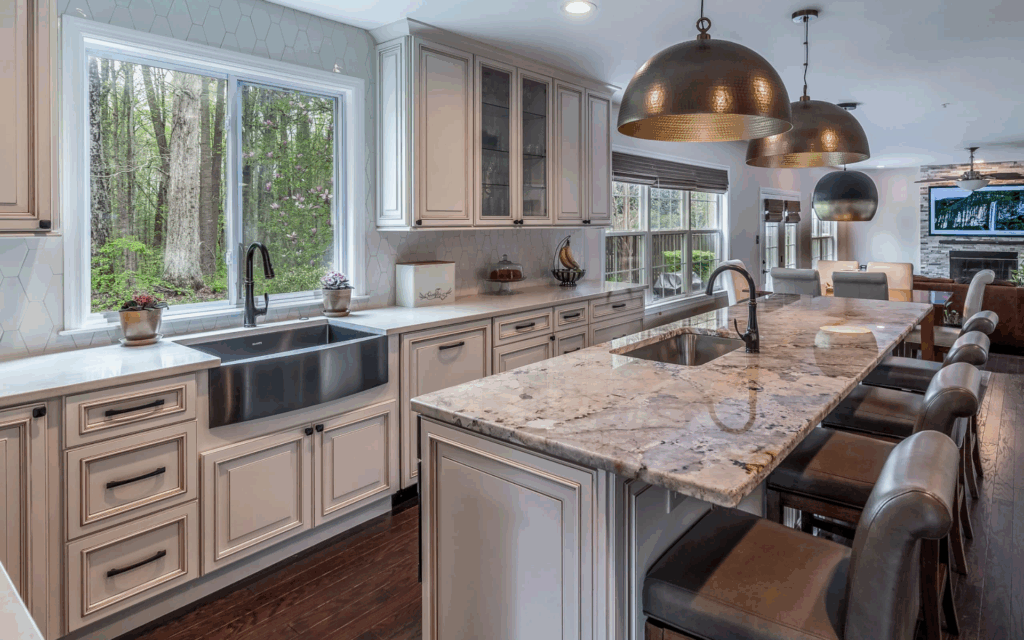
Lighting and Automation for a Smarter Kitchen
Lighting plays a crucial role in both the functionality and atmosphere of your kitchen. Integrating smart lighting solutions can make your space more adaptable and energy efficient.
- Smart Bulbs and Switches: Adjust brightness and color temperature to suit different tasks or moods. Set schedules or control lights remotely.
- Motion Sensors: Automatically turn lights on or off as you enter or leave the room—ideal for late-night visits or when your hands are full.
- Under-Cabinet Lighting: Install smart LED strips for task lighting that can be dimmed or color-tuned via app or voice command.
- Scene Setting: Create presets for cooking, dining, or entertaining with a single tap or voice command.
For more inspiration on current trends, check out these innovative kitchen remodeling ideas that showcase how technology is shaping modern design.
Integrating Voice Assistants and Centralized Control
One of the most effective kitchen remodeling technology integration tips is to centralize control of your smart devices. Voice assistants like Amazon Alexa, Google Assistant, or Apple’s Siri can connect various appliances and systems, allowing you to manage your kitchen hands-free.
- Hands-Free Commands: Start timers, play music, control lighting, or check your calendar while you cook.
- Routine Automation: Set up routines that trigger multiple actions—like turning on lights and starting the coffee maker with a single phrase.
- Integration with Other Rooms: Extend control to adjacent spaces for a seamless smart home experience.
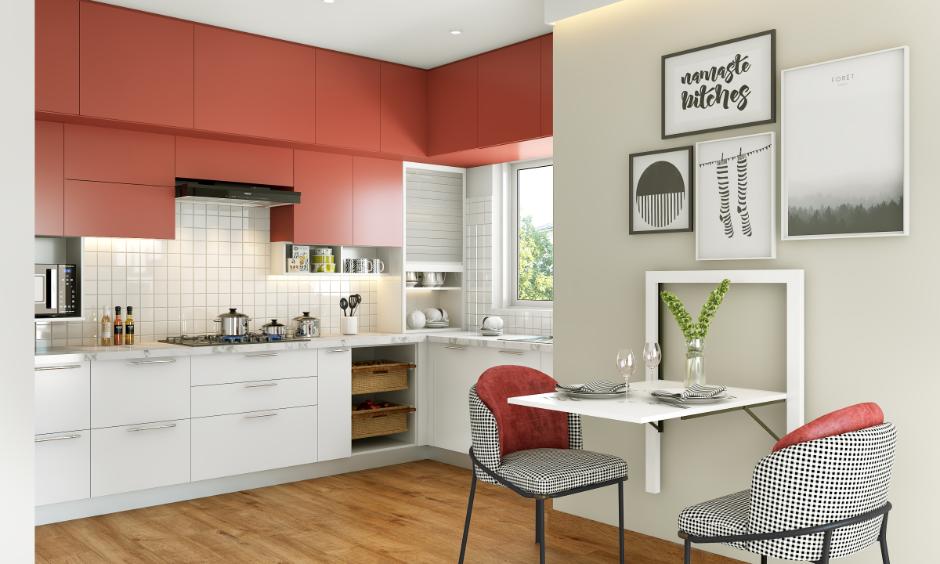
Security, Safety, and Energy Management
Smart technology can also enhance the safety and efficiency of your kitchen. Consider these additions:
- Smart Smoke and CO Detectors: Receive instant alerts on your phone if smoke or carbon monoxide is detected.
- Water Leak Sensors: Place under sinks or near appliances to catch leaks early and prevent costly damage.
- Energy Monitoring Plugs: Track appliance energy use and identify opportunities to save.
- Automated Shades or Blinds: Control natural light and temperature to reduce HVAC costs.
If you’re working within a set budget, these budget kitchen remodeling ideas can help you prioritize which smart upgrades offer the most value.
Common Pitfalls and How to Avoid Them
While integrating technology can transform your kitchen, it’s important to avoid some frequent mistakes:
- Overcomplicating the Design: Too many devices or incompatible systems can lead to frustration. Stick to essentials and ensure compatibility.
- Neglecting Network Strength: Smart devices rely on strong Wi-Fi. Invest in a mesh network or range extenders if needed.
- Skipping Professional Installation: For electrical work or built-in appliances, always consult a licensed professional.
- Ignoring Maintenance: Keep software updated and schedule regular checks for device functionality.
For more advice on what to watch out for, see these kitchen remodeling mistakes to avoid.
FAQ: Smart Kitchen Remodeling and Technology Integration
What are the most important smart features to include in a kitchen remodel?
Prioritize features that align with your lifestyle and add real value, such as smart appliances, automated lighting, voice assistant integration, and safety sensors. Start with essentials and expand as your needs evolve.
How do I ensure my smart kitchen devices work together?
Choose products within the same ecosystem (like Google, Amazon, or Apple) and check for compatibility before purchasing. Centralized hubs or apps can help manage multiple devices seamlessly.
Is it possible to upgrade my kitchen with smart technology on a budget?
Yes, you can start with affordable upgrades like smart plugs, bulbs, or a voice assistant. Gradually add more advanced appliances or automation features as your budget allows.
How long does it take to remodel a kitchen with smart technology integration?
Timelines vary based on the scope of work. For a detailed breakdown, refer to the average timeline for kitchen remodeling to plan your project efficiently.
Integrating smart technology into your kitchen remodel is a practical way to future-proof your home and simplify daily routines. By planning carefully and focusing on the features that matter most, you can create a kitchen that’s both functional and ready for tomorrow’s innovations.