

Modern kitchen renovations increasingly focus on lighting as a key element for both function and style. Among the most sought-after upgrades are kitchen remodeling recessed lighting ideas, which offer a clean, streamlined look while delivering excellent illumination. Whether you’re planning a full remodel or simply updating your lighting scheme, integrating recessed fixtures can dramatically enhance your kitchen’s ambiance, efficiency, and visual appeal.
Thoughtful placement and selection of recessed lights can help you highlight work zones, create mood lighting, and complement other design features. In this guide, we’ll explore practical strategies, trending styles, and expert tips to help you make the most of recessed lighting in your kitchen transformation.
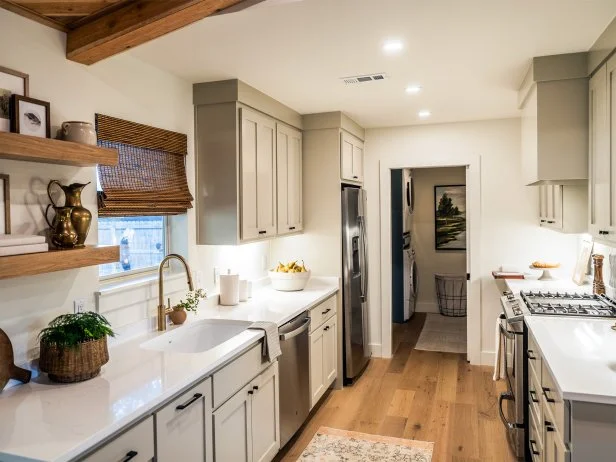
For those interested in achieving a harmonious and balanced design, consider reading kitchen remodeling visual balance tips for additional insights on integrating lighting with other design elements.
Why Choose Recessed Lighting for Your Kitchen Upgrade?
Recessed lights, often called can lights or downlights, have become a staple in contemporary kitchen makeovers. Their low-profile design blends seamlessly with ceilings, making them ideal for open-plan layouts and minimalist aesthetics. Here are several reasons why homeowners and designers favor these fixtures:
- Unobtrusive Appearance: Recessed lights sit flush with the ceiling, keeping sightlines clear and uncluttered.
- Versatile Placement: They can be positioned to target specific areas, such as countertops, islands, or walkways.
- Layered Lighting: Recessed fixtures work well with pendants, under-cabinet lighting, and accent lights to create a layered effect.
- Energy Efficiency: Modern LED recessed lights consume less power and last longer than traditional bulbs.
- Customization: Options for adjustable trims, color temperatures, and dimming allow you to tailor the lighting to your needs.
Planning Your Kitchen’s Recessed Lighting Layout
Effective lighting design starts with a thoughtful layout. When considering kitchen remodeling recessed lighting ideas, it’s important to evaluate your kitchen’s size, ceiling height, and the location of key work zones. Here are some guidelines to help you plan:
- Spacing: Place recessed lights 4–6 feet apart for even coverage. For standard 8-foot ceilings, a good rule is to divide the ceiling height by two to determine spacing.
- Task Lighting: Position fixtures directly above work surfaces like sinks, islands, and countertops to reduce shadows.
- Accent Lighting: Use directional or gimbal trims to highlight architectural features, backsplashes, or open shelving.
- Ambient Lighting: Combine recessed lights with other sources to ensure the entire space is well-lit without harsh glare.
For more inspiration on cohesive kitchen design, check out the kitchen remodeling style planning guide.

Popular Styles and Trends in Recessed Kitchen Lighting
Today’s kitchens embrace a variety of recessed lighting trends that blend form and function. Here are some of the most popular approaches:
- Ultra-Thin LED Downlights: These slim fixtures are ideal for shallow ceilings and provide a modern, minimal look.
- Adjustable Gimbal Lights: Perfect for accenting artwork or open shelving, these can be angled to direct light where it’s needed most.
- Color Temperature Control: Many new models allow you to switch between warm and cool white, adapting the mood for cooking or entertaining.
- Smart Lighting Integration: Wi-Fi enabled recessed lights can be controlled by smartphone or voice assistants, offering convenience and customization.
- Black or Metallic Trims: For a bold statement, consider fixtures with matte black or brushed metal trims that coordinate with hardware and appliances.
For more on integrating lighting with other kitchen upgrades, see the kitchen remodeling hardware style guide.
Tips for Installing Recessed Lights in Modern Kitchens
Proper installation is essential for both safety and aesthetics. Here are some practical tips to ensure your recessed lighting project is a success:
- Choose IC-Rated Fixtures: If your lights will be in contact with insulation, select IC-rated housings to prevent overheating.
- Use Dimmers: Installing dimmer switches allows you to adjust brightness for different activities and times of day.
- Mind the Ceiling Joists: Plan your layout to avoid joists and other obstructions. Use a stud finder before cutting any holes.
- Consider Professional Help: While some homeowners tackle recessed lighting as a DIY project, hiring a licensed electrician ensures code compliance and optimal results.
- Balance with Other Fixtures: Combine recessed lights with pendants, sconces, or under-cabinet lighting for a layered, flexible scheme.
For practical advice on organizing your kitchen for efficiency, visit the kitchen remodeling cleaning zone layout ideas resource.
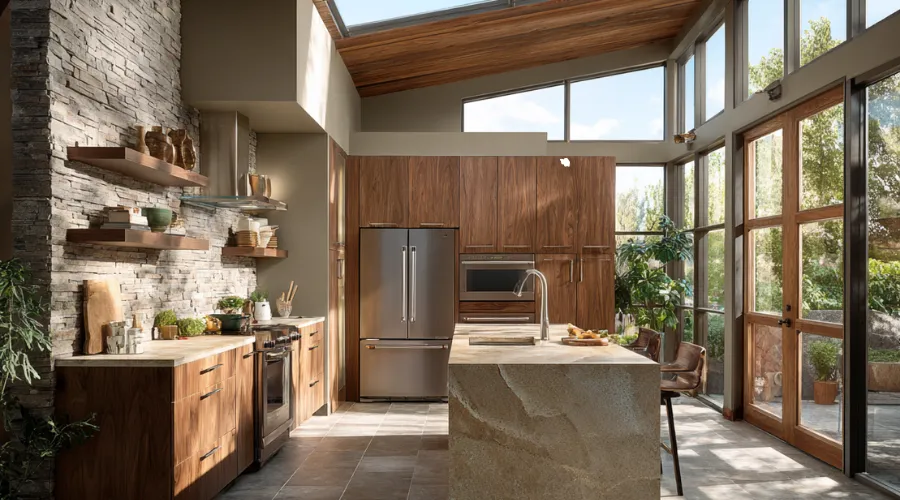
Combining Recessed Lighting with Other Kitchen Features
To achieve a cohesive and functional kitchen, it’s important to coordinate your lighting with cabinetry, appliances, and layout. Here are some strategies:
- Pair with Hidden Appliances: Concealed appliances and flush-mount fixtures both contribute to a sleek, modern look. Explore kitchen remodeling hidden appliance ideas for more inspiration.
- Highlight Focal Points: Use directional recessed lights to draw attention to a statement backsplash, island, or display cabinet.
- Zone Lighting: Divide your kitchen into zones (prep, cook, clean, dine) and tailor the lighting intensity and placement for each area.
- Coordinate Finishes: Select trims and hardware in matching or complementary finishes for a unified appearance.
For a broader range of creative solutions, browse these innovative kitchen remodeling ideas from design experts.
FAQ: Recessed Lighting for Kitchen Remodels
How many recessed lights do I need in my kitchen?
The number of fixtures depends on your kitchen’s size, ceiling height, and lighting needs. A common guideline is to space lights 4–6 feet apart and ensure even coverage. For an average 12×16-foot kitchen, six to eight recessed lights typically provide sufficient illumination, but always adjust based on your specific layout and preferences.
What type of bulb is best for kitchen recessed lighting?
LED bulbs are the top choice for modern kitchens due to their energy efficiency, longevity, and range of color temperatures. Choose bulbs with a color rendering index (CRI) of 80 or higher for accurate color representation, and consider adjustable color temperature features for added flexibility.
Can I install recessed lighting in a kitchen with a low ceiling?
Yes, ultra-thin or slim-profile LED recessed lights are designed for low-clearance spaces. These fixtures provide ample light without protruding into the room, making them ideal for kitchens with limited ceiling height.
Should I use recessed lighting alone or combine it with other fixtures?
For best results, combine recessed lights with other sources such as pendants, under-cabinet lights, and wall sconces. This layered approach ensures balanced illumination and allows you to adjust lighting for different tasks and moods.
Conclusion
Incorporating kitchen remodeling recessed lighting ideas into your renovation plan can transform your kitchen into a bright, inviting, and highly functional space. From layout planning to fixture selection and integration with other design elements, thoughtful lighting choices will elevate both the look and usability of your kitchen. For more expert advice and creative solutions, explore related resources throughout this article and consider consulting a professional for tailored recommendations.


