


Preparing for a kitchen renovation is an exciting step toward creating a more functional and beautiful space. However, before any demolition or installation begins, it’s essential to tackle the clutter that accumulates over time. Effective decluttering not only streamlines the remodeling process but also helps you make the most of your new kitchen. This guide shares practical kitchen remodeling decluttering tips to ensure your project starts smoothly and stays organized from day one.
Decluttering before a remodel means less stress, fewer misplaced items, and a clearer vision for your updated kitchen. Whether your space is large or small, a thoughtful approach to sorting, storing, and letting go of unused items will make the entire renovation process more efficient. For those interested in creating a harmonious and visually balanced kitchen, you might also find value in exploring kitchen remodeling visual balance tips for additional design inspiration.
Why Decluttering Is Essential Before a Kitchen Remodel
Starting a renovation with a clutter-free kitchen offers several advantages. First, it allows contractors and designers to work efficiently without navigating around unnecessary items. Second, it protects your belongings from dust, debris, and accidental damage during construction. Most importantly, decluttering helps you assess what you truly need, so your new kitchen is organized from the start.
By following these kitchen remodeling decluttering tips, you’ll be able to:
- Reduce the risk of lost or damaged items during the remodel
- Identify duplicate or unused kitchenware
- Make informed decisions about storage solutions in your new design
- Streamline packing and unpacking after the renovation
Step-by-Step Decluttering Process for Kitchens
Approaching decluttering in a systematic way ensures you don’t overlook any area or item. Here is a practical step-by-step process to prepare your kitchen for remodeling:
1. Set Aside Time and Gather Supplies
Allocate a dedicated block of time for decluttering, ideally a few weeks before your scheduled renovation. Gather boxes, bins, packing materials, markers, and labels. Having these supplies ready will make sorting and storing items much easier.
2. Empty Cabinets and Drawers
Remove everything from your cabinets, drawers, and pantry. Lay items out on a large table or countertop so you can see what you own. This step is essential for a thorough review and helps you avoid missing hidden or forgotten items.
3. Sort Items Into Categories
Group your kitchenware into categories such as cookware, utensils, small appliances, dishes, glassware, pantry goods, and cleaning supplies. Sorting by type makes it easier to assess what you have and identify duplicates or items you no longer use.

4. Decide What to Keep, Donate, or Discard
Be honest about what you use regularly. If you haven’t used an item in the past year, consider donating or discarding it. Broken or worn-out items should be recycled or thrown away. For specialty appliances or gadgets, ask yourself if they truly add value to your cooking routine.
As you sort, create three piles: keep, donate, and discard. Bag up donations and recycling as you go to avoid second-guessing your decisions later.
5. Pack and Label Items for Storage
Pack the items you plan to keep but won’t need during the remodel. Use sturdy boxes or plastic bins and label each container clearly (e.g., “baking supplies,” “everyday dishes”). This will make unpacking into your new kitchen much easier and more organized.
For fragile items, wrap them in bubble wrap or packing paper. Store boxes in a safe, dry area away from the construction zone.
Tips for Managing Pantry and Perishable Goods
Food storage requires special attention during a kitchen renovation. Here’s how to handle pantry items and perishables:
- Check expiration dates and discard anything past its prime.
- Group similar items together (canned goods, grains, snacks) and pack them in labeled boxes.
- Plan to use up perishable foods in the weeks leading up to your remodel.
- For refrigerated and frozen foods, consider using a mini fridge or cooler in another room, or coordinate with your contractor about temporary storage solutions.
Organizing Essential Items for Temporary Use
During your remodel, you’ll still need access to basic kitchen tools and supplies. Set aside a “temporary kitchen” kit with essentials such as:
- Plates, bowls, cups, and utensils for each family member
- A few pots, pans, and cooking utensils
- Coffee maker, toaster, or microwave if possible
- Dish soap, sponge, and towels
- Non-perishable snacks and easy-to-prepare meals
Store these items in a convenient location outside the renovation area. This approach minimizes disruption to your daily routine and keeps your household running smoothly.
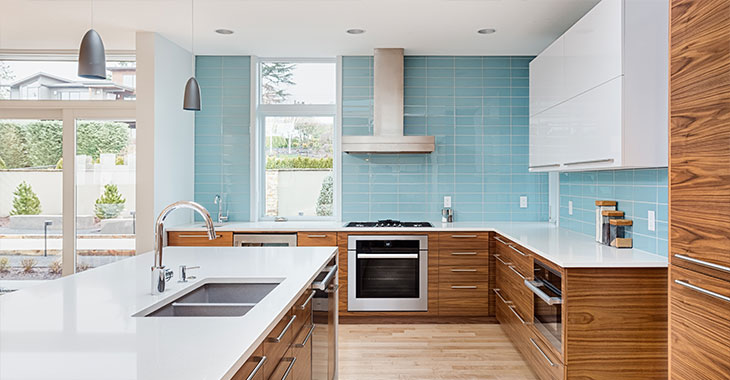
Additional Decluttering Strategies for a Smooth Remodel
To further streamline your kitchen renovation, consider these additional strategies:
- Label everything: Clear labeling saves time and confusion when unpacking.
- Photograph cabinet layouts: Take photos of your current cabinet and drawer organization. This can help you recreate or improve your storage system in the new kitchen.
- Communicate with your contractor: Let your remodeling team know where packed items are stored and which boxes contain fragile or essential items.
- Review your design plans: As you declutter, think about how your new kitchen layout will impact storage and workflow. For more ideas on optimizing your kitchen’s functionality, check out the kitchen remodeling workflow layout guide.
Inspiration and Resources for Kitchen Organization
Decluttering is just the first step toward a more organized and enjoyable kitchen. For creative storage solutions and design ideas, explore resources like this comprehensive guide to kitchen remodeling ideas. You’ll find inspiration for maximizing space, choosing the right cabinetry, and integrating hidden appliances for a sleek look.
If you’re interested in hardware upgrades, the kitchen remodeling hardware style guide offers practical advice on selecting handles, pulls, and knobs that complement your new design.
Maintaining an Organized Kitchen After Renovation
Once your remodel is complete, maintaining an organized kitchen will help you enjoy your new space for years to come. Here are a few habits to keep clutter at bay:
- Regularly review and purge unused items
- Assign a dedicated place for every item
- Use drawer dividers, shelf risers, and pull-out organizers to maximize storage
- Establish a routine for tidying up after meals and grocery shopping
By incorporating these habits, your kitchen will remain functional, efficient, and a joy to use.
Frequently Asked Questions
How far in advance should I start decluttering before a kitchen renovation?
It’s best to begin decluttering at least two to four weeks before your scheduled remodel. This gives you ample time to sort, pack, and donate items without feeling rushed as the renovation date approaches.
What should I do with items I don’t want to keep?
Donate gently used kitchenware to local charities or shelters. Recycle or discard broken or unusable items. Many communities offer donation pick-up services, making it easy to clear out unwanted goods before your renovation.
How can I stay organized during the remodeling process?
Label all packed boxes clearly and keep an inventory list. Set aside a temporary kitchen kit with daily essentials and store it in a convenient location. Communicate with your contractor about storage needs and access to important items during the project.
