
Choosing the right cabinet material is a crucial decision in any kitchen renovation. The materials you select will affect not only the look and feel of your space but also its durability, maintenance needs, and overall value. This kitchen remodeling cabinet material comparison guide will help you understand the strengths and weaknesses of the most popular options, so you can make an informed choice that fits your style, budget, and lifestyle.
Before diving into the specifics, it’s important to consider how cabinet materials interact with other design elements. For those interested in achieving a harmonious look, exploring kitchen remodeling visual balance tips can provide valuable insight into creating a cohesive interior.
Understanding Cabinet Material Choices
Cabinet construction materials can be broadly categorized into solid wood, engineered wood products, metal, and laminate or thermofoil. Each has unique properties that influence appearance, cost, and longevity. Below, we’ll break down the most common materials found in today’s kitchens.
Solid Wood Cabinets: Timeless Appeal and Durability
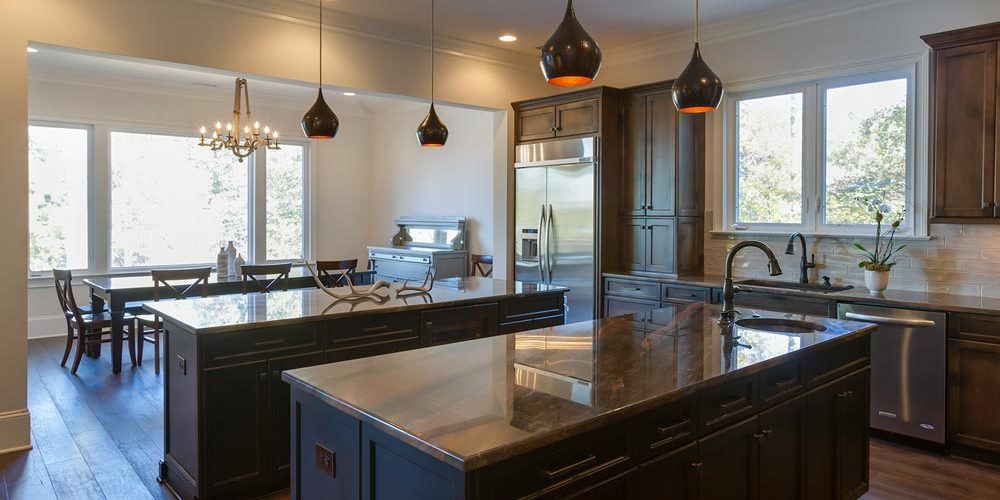
Solid wood remains a favorite for many homeowners due to its natural beauty and strength. Popular species include maple, cherry, oak, and birch. Wood cabinets can be stained or painted, allowing for a wide range of finishes.
- Pros: Classic look, can be refinished, strong and long-lasting.
- Cons: More expensive, susceptible to warping or cracking in humid environments, requires periodic maintenance.
Solid wood is ideal for those seeking a traditional or high-end kitchen, but it’s important to consider your climate and budget before committing.
Engineered Wood Products: Plywood, MDF, and Particleboard
Engineered woods are manufactured from real wood fibers, particles, or veneers, bonded together with adhesives. They offer a cost-effective alternative to solid wood and are widely used in modern cabinetry.
Plywood Cabinets
Plywood is made from thin layers of wood veneer glued together. It’s strong, resists warping, and is often used for cabinet boxes.
- Pros: Durable, holds screws well, resists moisture better than other engineered woods.
- Cons: More expensive than MDF or particleboard, exposed edges need finishing.
MDF (Medium Density Fiberboard)
MDF is created by compressing wood fibers with resin. It’s smooth and ideal for painted finishes, making it popular for cabinet doors and panels.
- Pros: Smooth surface for painting, affordable, resists cracking and peeling.
- Cons: Heavy, can swell if exposed to water, not as strong as plywood.
Particleboard Cabinets
Particleboard is made from wood chips and resin, pressed into sheets. It’s the most budget-friendly option but has some drawbacks.
- Pros: Very affordable, lightweight, commonly used in budget cabinetry.
- Cons: Prone to sagging, vulnerable to moisture, shorter lifespan.
For those seeking a balance between cost and performance, plywood is often the preferred engineered wood for cabinet boxes, while MDF is a solid choice for painted doors.
Laminate and Thermofoil: Modern and Low-Maintenance
Laminate cabinets feature a printed plastic layer bonded to a substrate like MDF or particleboard. Thermofoil is a type of vinyl applied to MDF under heat and pressure, creating a seamless, easy-to-clean surface.
- Pros: Wide variety of colors and patterns, easy to clean, affordable, resists stains and fading.
- Cons: Can peel or chip, difficult to repair, vulnerable to heat damage.
Laminate and thermofoil are excellent for contemporary kitchens or for those who want minimal upkeep. However, they may not offer the same longevity as wood-based options.

Metal Cabinets: Sleek and Industrial
Metal cabinetry, especially stainless steel, is often found in commercial kitchens but is gaining popularity in residential spaces for its modern, industrial look.
- Pros: Extremely durable, resists heat and moisture, easy to clean, hygienic.
- Cons: Can dent or scratch, fingerprints show easily, generally more expensive.
Metal cabinets work well in contemporary or industrial-style kitchens and are especially practical for those who prioritize hygiene and easy maintenance.
Comparing Cabinet Materials: Key Considerations
When weighing your options, consider these important factors:
- Budget: Solid wood and metal are typically the most expensive, while particleboard and laminate are more affordable.
- Durability: Plywood and solid wood offer long-term strength; metal is nearly indestructible but can show cosmetic wear.
- Maintenance: Laminate, thermofoil, and metal are easiest to clean. Wood requires more care to prevent damage.
- Style: Wood offers warmth and tradition, while laminate and metal suit modern aesthetics.
- Environmental Impact: Look for sustainably sourced wood or low-VOC engineered products if eco-friendliness is a priority.
For more on achieving a cohesive look, see the kitchen remodeling style planning guide.
Cabinet Material Comparison Table
| Material | Durability | Maintenance | Cost | Best For |
|---|---|---|---|---|
| Solid Wood | High | Moderate | High | Traditional, luxury kitchens |
| Plywood | High | Moderate | Moderate | Quality cabinet boxes |
| MDF | Moderate | Easy | Moderate | Painted doors, panels |
| Particleboard | Low | Easy | Low | Budget projects |
| Laminate/Thermofoil | Moderate | Easy | Low | Modern, low-maintenance kitchens |
| Metal | Very High | Easy | High | Industrial, contemporary kitchens |
Tips for Selecting the Right Cabinet Material
- Assess your cooking habits and how much wear your cabinets will endure.
- Consider moisture levels in your kitchen—some materials handle humidity better than others.
- Think about your cleaning preferences and how much maintenance you’re willing to do.
- Balance your budget with your long-term expectations for durability and style.
- Don’t overlook hardware—see the kitchen remodeling hardware style guide for ideas on pulls, knobs, and hinges that complement your chosen material.
For a step-by-step approach to planning your renovation, check out this comprehensive kitchen remodeling planning guide.
Frequently Asked Questions
What is the most durable material for kitchen cabinets?
Plywood and solid wood are generally considered the most durable options for cabinet construction. Metal cabinets are also extremely durable but are less common in residential kitchens.
Are laminate cabinets a good choice for busy kitchens?
Laminate and thermofoil cabinets are popular for their low maintenance and wide range of styles. They are resistant to stains and easy to clean, making them suitable for busy households. However, they may not withstand heat or impact as well as wood-based options.
How do I choose between MDF and plywood for cabinet doors?
MDF is ideal for painted finishes and offers a smooth, consistent surface, while plywood is stronger and better for structural applications. If you want painted doors, MDF is a great choice. For natural wood finishes or increased durability, plywood is preferable.
Can I mix different cabinet materials in one kitchen?
Yes, mixing materials can add visual interest and functionality. For example, you might use solid wood for doors and plywood for cabinet boxes, or combine laminate with metal accents for a modern look.
Conclusion
There’s no one-size-fits-all answer when it comes to cabinet materials. By weighing the pros and cons of each option and considering your unique needs, you can create a kitchen that’s both beautiful and functional. For more inspiration on integrating appliances seamlessly, see these kitchen remodeling hidden appliance ideas. And if you’re planning your cleaning workflow, explore practical cleaning zone layout ideas for your space.