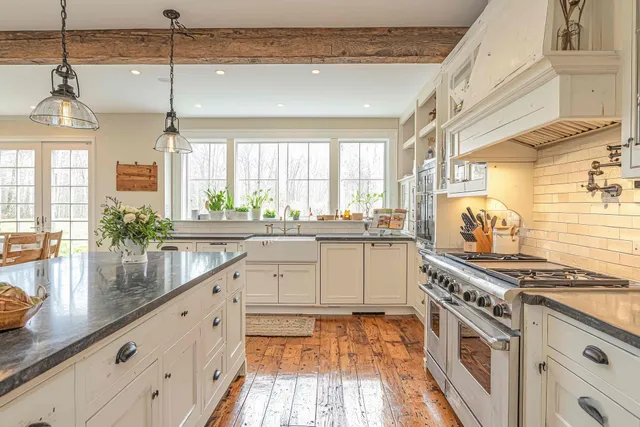

Planning a kitchen remodel often centers around the addition or repositioning of an island. A well-placed island can transform your kitchen’s workflow, boost storage, and create a stylish focal point. However, getting the placement right is crucial for both function and aesthetics. This kitchen island placement guide for remodeling will walk you through essential considerations, layout tips, and expert insights to help you make the most of your kitchen renovation.
Whether you’re working with a compact galley or a spacious open-concept area, understanding the fundamentals of island positioning can make all the difference. Early in your planning, it’s also helpful to explore kitchen remodeling space optimization tips to ensure your design supports both efficiency and comfort.
Key Factors in Kitchen Island Placement
Before finalizing your island’s location, consider the following elements to ensure your remodel delivers both style and function:
- Kitchen Size and Shape: The overall dimensions and configuration of your kitchen will dictate the feasible size and position of an island.
- Work Triangle Efficiency: Maintain clear pathways between the sink, stove, and refrigerator. The island should not obstruct this classic workflow.
- Traffic Flow: Ensure there’s enough clearance around the island for people to move comfortably, especially in high-traffic areas.
- Intended Use: Will the island serve as a prep area, dining space, storage hub, or all of the above? Its function influences ideal placement.
- Utilities and Lighting: Plan for electrical outlets, plumbing (if adding a sink or dishwasher), and adequate lighting above the island.
Optimal Distances and Clearances
One of the most common mistakes in kitchen remodeling is underestimating the space needed around an island. Following industry guidelines ensures your kitchen remains practical and safe:
- Minimum Clearance: Allow at least 36 inches (91 cm) between the island and surrounding cabinets or appliances. For areas with heavy traffic or multiple cooks, 42–48 inches (107–122 cm) is preferable.
- Seating Space: If your island includes seating, provide at least 24 inches (61 cm) of width per stool and 15 inches (38 cm) of knee space for comfort.
- Island Size: Most islands are at least 24–36 inches (61–91 cm) deep and 48–72 inches (122–183 cm) long, but always scale to your kitchen’s proportions.
Layout Ideas for Different Kitchen Types
The best island placement depends on your kitchen’s layout. Here are some practical suggestions for common configurations:
Open-Concept Kitchens
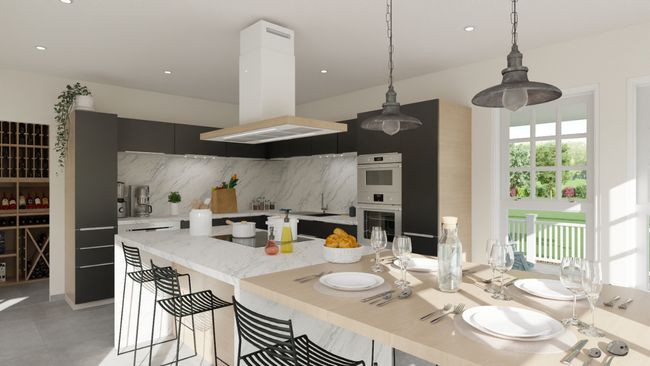
In open layouts, the island often acts as a subtle divider between the kitchen and living or dining areas. Position the island to maximize interaction with adjacent spaces, while keeping the main cooking zone accessible. Consider incorporating features like a breakfast bar or integrated storage to enhance versatility.
Galley and Narrow Kitchens
For galley-style or compact kitchens, a full-sized island may not be feasible. Instead, opt for a slim, movable island or peninsula. Ensure at least 36 inches of clearance on all sides to avoid crowding. For more ideas on maximizing small spaces, review these kitchen remodeling space optimization tips.
L-Shaped and U-Shaped Kitchens
These layouts are well-suited for a central island. Place the island parallel to the longest run of cabinets, ensuring it complements the work triangle. In U-shaped kitchens, the island can double as a prep station or informal dining area, provided there’s enough room for circulation.
Design Considerations for Remodeling Success
Beyond basic placement, thoughtful design choices can elevate your kitchen remodel:
- Visual Balance: Choose an island size and finish that harmonizes with your cabinetry and overall kitchen style. For inspiration, explore visual balance tips for harmonious design.
- Lighting: Install pendant lights or recessed fixtures above the island for both task and ambient lighting. The right lighting enhances functionality and creates a welcoming atmosphere.
- Materials and Finishes: Select durable, easy-to-clean surfaces for your island countertop. Contrasting colors or textures can create a striking centerpiece.
- Storage Solutions: Incorporate drawers, shelves, or cabinets into the island to maximize utility. Open shelving can keep everyday items within reach and add a modern touch.
Common Mistakes to Avoid in Island Placement
Even with the best intentions, certain pitfalls can undermine your remodel. Watch out for these frequent errors:
- Overcrowding: Installing an island that’s too large for the space can restrict movement and make the kitchen feel cramped.
- Poor Workflow: Placing the island in a way that disrupts the work triangle can lead to inefficient meal prep and frustration.
- Neglecting Utilities: Forgetting to plan for electrical outlets or plumbing can limit the island’s functionality and require costly changes later.
- Ignoring Seating Needs: Not allowing enough space for stools or chairs can make casual dining uncomfortable.
Expert Tips for a Seamless Remodel
- Sketch your kitchen layout to scale before making decisions. This helps visualize clearances and flow.
- Consult with a professional designer or contractor, especially if you’re moving plumbing or electrical lines.
- Test different island shapes—rectangular, square, or even curved—to see what best fits your space and needs.
- Consider flexible options like mobile islands or carts for small kitchens.
- For more inspiration, browse design ideas for kitchen remodels from trusted appliance brands.
FAQ: Kitchen Island Placement and Remodeling
What is the ideal distance between a kitchen island and other countertops?
For comfortable movement and safe cooking, allow at least 36 inches between the island and surrounding countertops or appliances. If your kitchen sees a lot of traffic or has multiple cooks, 42–48 inches is recommended.
Can I add an island to a small kitchen?
Yes, but it’s important to choose a compact, appropriately scaled island. Consider a movable cart or a narrow, fixed island. Always maintain the minimum clearance to avoid crowding. For more small-space solutions, see these kitchen remodeling space optimization tips.
Should my kitchen island match my cabinets?
Matching your island to your cabinets creates a cohesive look, but contrasting colors or materials can add visual interest and make the island a focal point. The choice depends on your style preferences and the overall design of your kitchen.
Do I need to install lighting above my island?
Proper lighting is essential for both safety and ambiance. Pendant lights, chandeliers, or recessed fixtures above the island provide focused illumination for prep work and create an inviting atmosphere.
Conclusion
Thoughtful island placement is a cornerstone of successful kitchen remodeling. By considering your kitchen’s size, workflow, and design goals, you can create a space that’s both beautiful and highly functional. For more inspiration, explore topics like cabinet color ideas or hardware style guides to complement your new island and complete your dream kitchen.