
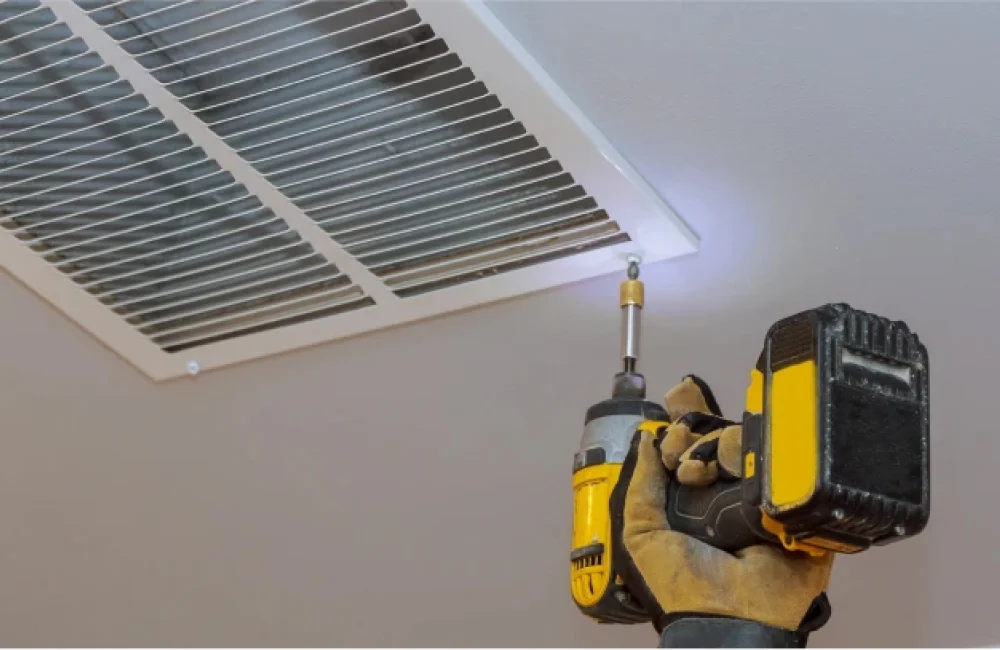

Proper ventilation is essential for maintaining healthy indoor air quality and energy efficiency in homes and commercial spaces. One of the most effective ways to achieve this is through the use of insulated ducting. Understanding how this type of ductwork functions, its benefits, and the options available can help homeowners, builders, and renovators make informed decisions about their ventilation systems.
In this article, we’ll break down the essentials of insulated ductwork, including its construction, advantages, and best practices for installation. We’ll also touch on related topics, such as how insulated ducts fit into broader ventilation strategies and how they can impact the comfort and performance of your living or working environment.
If you’re interested in optimizing your kitchen’s airflow and design, you might also want to check out our guide on kitchen remodeling visual balance tips for harmonious layouts.
What Is Insulated Ducting?
At its core, insulated ductwork is a type of ventilation duct that features a layer of insulation surrounding the inner air channel. This insulation—usually made from fiberglass, foam, or similar materials—serves to reduce heat transfer between the air inside the duct and the surrounding environment. The outer layer is typically a protective vapor barrier or jacket that shields the insulation from moisture and physical damage.
The main goal of this construction is to maintain the temperature of the air being transported, whether it’s heated, cooled, or simply fresh air. By minimizing temperature loss or gain, insulated ducts help ensure that your HVAC system operates efficiently and that indoor spaces remain comfortable year-round.
Key Benefits of Using Insulated Ducts
There are several reasons why insulated ducting is a preferred choice in modern ventilation systems:
- Energy Efficiency: By reducing heat loss or gain, insulated ducts help HVAC systems use less energy to maintain desired indoor temperatures.
- Condensation Prevention: The insulation layer minimizes the risk of condensation forming on the exterior of the duct, which can lead to mold growth and structural damage.
- Noise Reduction: The added insulation dampens the sound of air moving through the ducts, resulting in quieter operation.
- Improved Air Quality: By preventing moisture buildup and mold, insulated ductwork supports healthier indoor air.
- System Longevity: Protecting ducts from temperature extremes and condensation can extend the lifespan of your ventilation system.
Types of Insulated Ductwork
There are several varieties of insulated ducts available, each suited to different applications and installation requirements:
- Flexible Insulated Ducts: These are commonly used in residential settings and are made from a spiral wire core covered with insulation and a protective jacket. They’re easy to install around obstacles and in tight spaces.
- Rigid Insulated Ducts: Typically constructed from sheet metal with an external layer of insulation, these ducts are more durable and are often used in commercial or high-performance residential systems.
- Pre-Insulated Duct Panels: These panels combine the duct and insulation in one product, offering a lightweight and efficient solution for new builds or major renovations.
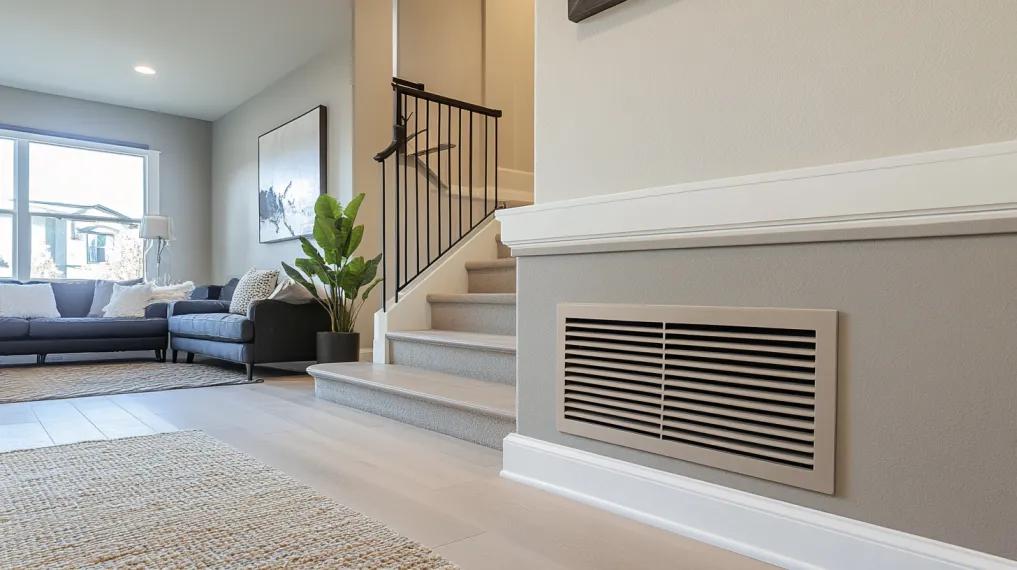
How Insulated Ducts Improve Ventilation Systems
Incorporating insulated ductwork into a ventilation system can significantly enhance its performance. By maintaining air temperature as it moves through the duct network, these ducts help ensure that conditioned air reaches its destination without unnecessary loss or gain of heat. This is especially important in attics, crawl spaces, or unconditioned basements, where temperature differences can be extreme.
In addition, insulated ducts play a vital role in preventing condensation, which can otherwise lead to water damage, corrosion, and compromised air quality. For homes and buildings in humid climates, this benefit alone can justify the investment in insulated ducting.
Installation Tips and Best Practices
For optimal performance, it’s important to follow recommended installation guidelines:
- Seal All Joints: Use appropriate mastic or foil tape to seal connections and prevent air leaks.
- Avoid Sharp Bends: Keep duct runs as straight as possible to minimize resistance and maintain airflow.
- Support Ducts Properly: Use hangers or straps to prevent sagging, which can restrict airflow and damage insulation.
- Protect Against Moisture: Ensure the vapor barrier is intact and not punctured during installation.
- Size Ducts Correctly: Undersized ducts can reduce efficiency and increase noise, while oversized ducts may be more expensive and harder to install.
For more detailed information on ventilation system types and how insulated ducting fits into the bigger picture, you can read this overview of house ventilation systems.
Common Applications for Insulated Ducts
Insulated ducting is used in a wide range of settings, including:
- Residential HVAC systems (heating, cooling, and ventilation)
- Bathroom and kitchen exhaust fans
- Whole-house fans and attic ventilation
- Commercial buildings, offices, and retail spaces
- Specialized environments such as laboratories or clean rooms
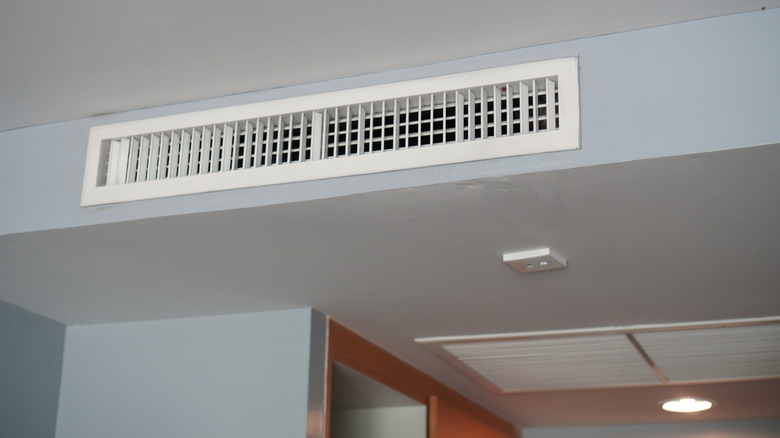
Maintenance and Longevity
While insulated ductwork is designed for durability, regular inspection and maintenance are still important. Over time, insulation can become compressed, torn, or damp, reducing its effectiveness. Check for signs of wear, moisture intrusion, or air leaks, and repair or replace damaged sections as needed.
Keeping ducts clean is also essential for maintaining healthy air quality and system efficiency. If you’re planning a renovation or updating your kitchen, consider how hardware choices and ventilation improvements can work together for a more comfortable and functional space.
Frequently Asked Questions
What is the main advantage of using insulated ductwork?
The primary benefit is improved energy efficiency. Insulated ducts help maintain the temperature of the air as it travels through your ventilation system, reducing energy loss and lowering utility bills.
Can I install insulated ducts myself, or should I hire a professional?
While some flexible insulated ducts are designed for DIY installation, it’s usually best to consult a professional. Proper sealing, support, and sizing are crucial for optimal performance and safety.
How does insulated ducting help prevent condensation?
The insulation layer acts as a thermal barrier, keeping the surface temperature of the duct above the dew point. This prevents moisture in the air from condensing on the duct exterior, which can lead to mold and water damage.
Is insulated ductwork required by building codes?
In many regions, building codes require insulated ducting in unconditioned spaces to meet energy efficiency standards. Always check local regulations before starting a project.
Conclusion
Choosing the right ductwork is a critical step in creating a comfortable, efficient, and healthy indoor environment. Insulated ducting offers a range of benefits, from energy savings to improved air quality and system longevity. By understanding the types, installation practices, and maintenance needs, you can ensure your ventilation system delivers reliable performance for years to come.
For more on optimizing your home’s airflow and design, explore our resources on kitchen cleaning zone layout ideas and other practical remodeling tips.


