

Many people spend the majority of their time indoors, whether at home, work, or in public spaces. The quality of the air inside these environments is crucial for well-being, yet it is often overlooked. How poor ventilation affects health is a topic that deserves attention, as inadequate airflow can lead to a range of physical and mental health issues. Understanding the risks and knowing how to improve indoor air quality can help prevent these problems and create safer, more comfortable living and working spaces.
In this article, we’ll explore the consequences of insufficient airflow, highlight the signs of unhealthy indoor environments, and offer practical solutions for maintaining optimal air quality. If you’re also interested in creating a balanced and harmonious kitchen environment, you might find these kitchen remodeling visual balance tips helpful.
Understanding the Impact of Inadequate Airflow on Health
Proper ventilation is essential for maintaining a healthy indoor environment. When air does not circulate effectively, pollutants, allergens, and moisture can accumulate, leading to a variety of health problems. The effects of insufficient airflow are not always immediately noticeable, but over time, they can significantly impact well-being.
- Respiratory Issues: Stale air allows dust, pet dander, and mold spores to build up. Breathing in these particles can trigger allergies, asthma, and other respiratory conditions.
- Spread of Infectious Diseases: Without adequate airflow, viruses and bacteria remain suspended in the air longer, increasing the risk of transmission, especially in crowded or shared spaces.
- Increased Humidity and Mold Growth: Poor ventilation traps moisture, creating an ideal environment for mold and mildew. Mold exposure can cause headaches, coughing, and skin irritation.
- Worsening of Pre-existing Conditions: Individuals with chronic respiratory illnesses, such as COPD or asthma, may experience more frequent or severe symptoms in poorly ventilated areas.
Common Signs of Poor Indoor Air Quality
Recognizing the symptoms of inadequate airflow can help you take action before health issues become severe. Here are some typical indicators that your space may not be getting enough fresh air:
- Persistent Odors: Lingering smells from cooking, cleaning products, or mustiness often signal that air is not being exchanged effectively.
- Condensation on Windows: Excess moisture inside, especially on glass surfaces, suggests that humidity is not being vented out.
- Visible Mold or Mildew: Black spots on walls, ceilings, or around vents are a clear warning sign.
- Frequent Headaches or Fatigue: Poor air quality can cause subtle symptoms like tiredness, headaches, or difficulty concentrating.
- Aggravated Allergies: Increased sneezing, watery eyes, or respiratory discomfort indoors may be linked to airborne irritants.

Physical Health Risks Linked to Stale Indoor Air
The consequences of insufficient ventilation go beyond mere discomfort. Over time, exposure to poor indoor air can contribute to both acute and chronic health conditions. Some of the most common risks include:
- Allergic Reactions: Dust mites, pollen, and other allergens thrive in stagnant environments. This can lead to sneezing, itchy eyes, and skin rashes.
- Respiratory Infections: Viruses and bacteria can linger in the air, increasing the likelihood of colds, flu, or more serious infections.
- Asthma Flare-Ups: Individuals with asthma are particularly sensitive to airborne irritants and may experience more frequent attacks.
- Long-Term Illness: Prolonged exposure to mold spores and volatile organic compounds (VOCs) from paints, cleaning products, or furnishings can contribute to chronic respiratory diseases and even increase the risk of certain cancers.
For those planning renovations, considering airflow is as important as choosing finishes or layouts. For example, when updating your kitchen, integrating ideas from kitchen remodeling hidden appliance ideas can help maintain both style and healthy air movement.
How Poor Ventilation Affects Mental Well-Being
The effects of stagnant air are not limited to physical health. Cognitive performance and emotional balance can also suffer in environments where fresh air is lacking. Studies have shown that high levels of carbon dioxide and other indoor pollutants can lead to:
- Difficulty Concentrating: Elevated CO2 levels are linked to reduced attention and slower decision-making.
- Increased Stress: Poor air quality can make people feel fatigued, irritable, or anxious.
- Lower Productivity: Employees working in poorly ventilated offices often report more sick days and decreased efficiency.
Addressing airflow issues is a simple yet effective way to support both physical and mental health in any indoor setting.
Solutions for Improving Indoor Air Quality
There are several practical steps you can take to enhance airflow and reduce the risks associated with stagnant indoor air:
- Use Mechanical Ventilation: Installing exhaust fans in kitchens and bathrooms helps remove moisture and odors. Whole house fans can improve overall circulation.
- Open Windows Regularly: Even a few minutes of fresh air each day can make a noticeable difference, especially in tightly sealed homes.
- Maintain HVAC Systems: Change filters regularly and schedule professional inspections to ensure your system is working efficiently.
- Control Humidity: Use dehumidifiers or air conditioners to keep moisture levels in check, reducing the risk of mold growth.
- Choose Low-VOC Products: Opt for paints, cleaning agents, and furnishings that emit fewer harmful chemicals.
- Consider Air Purifiers: Devices with HEPA filters can capture fine particles and allergens, providing an extra layer of protection.
For more information on choosing the right system for your space, see this guide to ventilation system types.
Best Practices for Preventing Air Quality Problems
Prevention is key when it comes to maintaining a healthy indoor environment. Here are some habits to adopt:
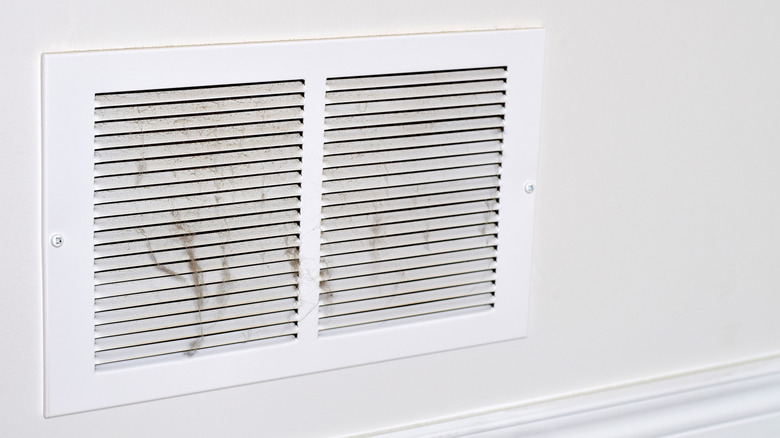
- Regularly inspect and clean vents, ducts, and filters.
- Keep furniture and drapes away from air returns and supply vents to allow for unobstructed airflow.
- Address water leaks and spills promptly to prevent mold growth.
- Limit the use of candles, incense, and other sources of indoor smoke.
- Encourage household members or coworkers to report signs of poor air quality.
If you’re planning a kitchen renovation, integrating ideas from the kitchen remodeling cleaning zone layout ideas can help you design a space that supports both cleanliness and healthy airflow.
FAQ
What are the most common health problems caused by poor ventilation?
The most frequent issues include allergies, asthma attacks, respiratory infections, headaches, and fatigue. Long-term exposure can contribute to chronic respiratory diseases and worsen existing conditions.
How can I tell if my home or office needs better ventilation?
Signs include persistent odors, condensation on windows, visible mold or mildew, and increased allergy symptoms indoors. If you notice these, it’s time to assess your airflow and consider improvements.
What are some simple ways to improve indoor air quality?
Open windows regularly, use exhaust fans in moisture-prone areas, maintain HVAC systems, and consider air purifiers. Choosing low-VOC products and keeping humidity levels in check are also effective steps.
Are there specific ventilation systems recommended for homes?
The best system depends on your property’s size, layout, and needs. Options include exhaust fans, whole house fans, and mechanical ventilation with heat recovery. For more details, consult a guide to ventilation systems.
Can improving ventilation help with kitchen remodeling projects?
Absolutely. Good airflow is essential for removing cooking odors, moisture, and airborne contaminants. For inspiration on integrating ventilation into your kitchen design, explore these kitchen remodeling style planning tips.

