Understanding how windows influence airflow is essential for anyone interested in improving indoor comfort, energy efficiency, and air quality. The way windows are positioned, opened, or closed can dramatically affect the movement of air throughout a home or building. Whether you’re considering a renovation, planning a new build, or simply looking to optimize your current living space, knowing the principles behind window-driven ventilation can help you make informed decisions.
This article explores the science and practical aspects of window placement, types, and usage, and how these factors shape the flow of air indoors. Along the way, you’ll find actionable tips, product recommendations, and resources to help you create a healthier, more comfortable environment.

For homeowners interested in design and function, exploring topics like kitchen remodeling visual balance tips can also provide valuable insights into creating harmonious and practical living spaces.
Window Placement and Its Impact on Indoor Air Circulation
The location of windows within a building plays a significant role in determining how air moves from one area to another. When windows are strategically placed on opposite or adjacent walls, they enable cross-ventilation, which is one of the most effective ways to promote natural airflow. Cross-ventilation allows fresh air to enter through one window and exit through another, flushing out stale air and reducing the buildup of humidity and indoor pollutants.
In multi-story homes, stacking windows vertically (such as in stairwells or atriums) can harness the stack effect, where warm air rises and escapes from upper windows, drawing cooler air in from lower openings. This natural convection process is especially useful in warmer climates or during summer months.
Types of Windows and Their Ventilation Capabilities
Not all windows are created equal when it comes to influencing airflow. Here are some common types and how they affect ventilation:
- Casement windows are hinged at the side and open outward, acting like a sail to catch breezes and direct them indoors.
- Double-hung and single-hung windows allow for both top and bottom openings, enabling warm air to escape through the top while cooler air enters below.
- Sliding windows offer wide openings but may not direct air as effectively as casement styles.
- Awning windows are hinged at the top and can be left open during light rain, providing ventilation without letting water in.
The choice of window type should be based on the room’s orientation, prevailing wind direction, and the desired level of airflow control.

How Window Operation Affects Ventilation Efficiency
The way you use your windows has a direct effect on how air moves through your space. Opening windows on opposite sides of a room or building creates a pressure difference, encouraging air to flow through. The wider the opening, the greater the potential for air exchange. However, partially opened windows can help control the speed and direction of airflow, which is useful in managing comfort levels and preventing drafts.
In some cases, using windows in combination with mechanical systems, such as exhaust fans or whole-house fans, can significantly boost ventilation. For example, running a ceiling exhaust fan while opening a window in a bathroom or kitchen helps remove moisture and odors more effectively.
Environmental Factors That Influence Air Movement Through Windows
Several external factors impact how effectively windows can ventilate a space:
- Wind direction and speed: Windows facing prevailing winds will draw in more fresh air.
- Outdoor temperature: Differences between indoor and outdoor temperatures drive natural convection, especially when upper and lower windows are used together.
- Obstructions: Trees, buildings, and landscaping can block or redirect airflow, affecting how much air enters through a window.
Understanding these variables helps you make the most of your windows for natural ventilation, especially when combined with other strategies like ceiling fans or air filtration systems.
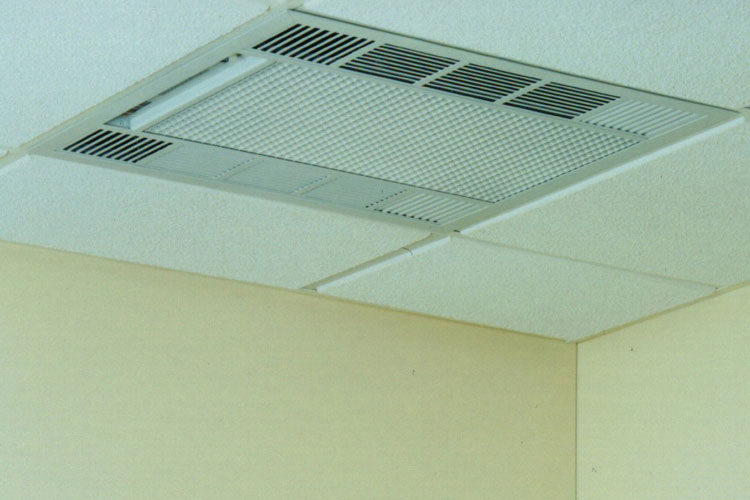
Combining Windows With Mechanical Ventilation for Optimal Results
While natural ventilation through windows is effective, there are times when mechanical systems are necessary to maintain healthy indoor air quality. Combining open windows with devices like whole-house fans, ceiling exhaust fans, or air filtration kits can help remove contaminants, control humidity, and ensure a steady supply of fresh air.
For a deeper understanding of how to integrate these systems, the U.S. Department of Energy provides a comprehensive overview of whole-house ventilation strategies. These resources can help you assess your needs and choose the right combination of natural and mechanical solutions.
Practical Tips for Maximizing Airflow With Windows
- Open windows on opposite sides of your home to create cross-ventilation.
- Use upper and lower windows together to take advantage of the stack effect.
- Combine window ventilation with fans or filtration kits for enhanced air quality.
- Keep window tracks and screens clean to prevent obstructions.
- Adjust window openings based on wind direction and weather conditions.
By following these strategies, you can make the most of your windows to improve indoor air movement and comfort.
Frequently Asked Questions
What is the best way to use windows for natural ventilation?
The most effective method is to open windows on opposite sides of a room or building, creating a pathway for air to flow through. This cross-ventilation helps remove stale air and brings in fresh air from outside. Adjusting the size of the openings and combining them with fans can further enhance the effect.
How do window types affect airflow in a home?
Different window designs offer varying levels of ventilation. Casement windows catch breezes more efficiently, while double-hung windows allow for both intake and exhaust. The choice of window should consider the room’s layout, prevailing winds, and desired control over airflow.
Can mechanical ventilation be used with open windows?
Yes, combining mechanical systems like exhaust fans or whole-house fans with open windows can significantly improve air exchange and quality. This approach is especially useful in areas with poor natural airflow or when outdoor conditions make it difficult to rely solely on windows.