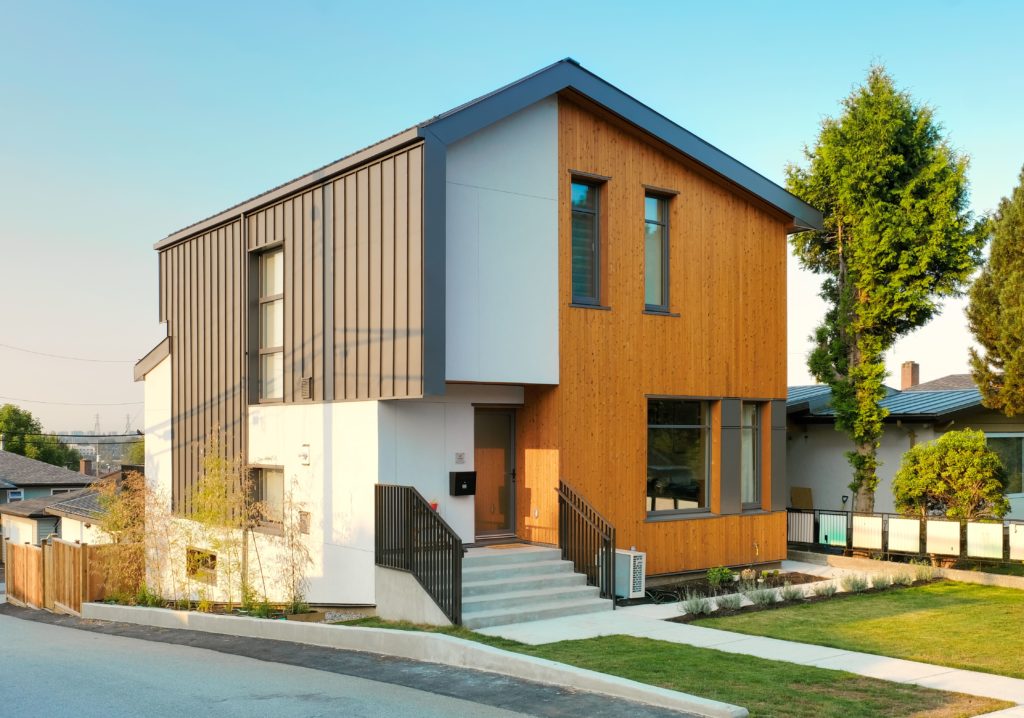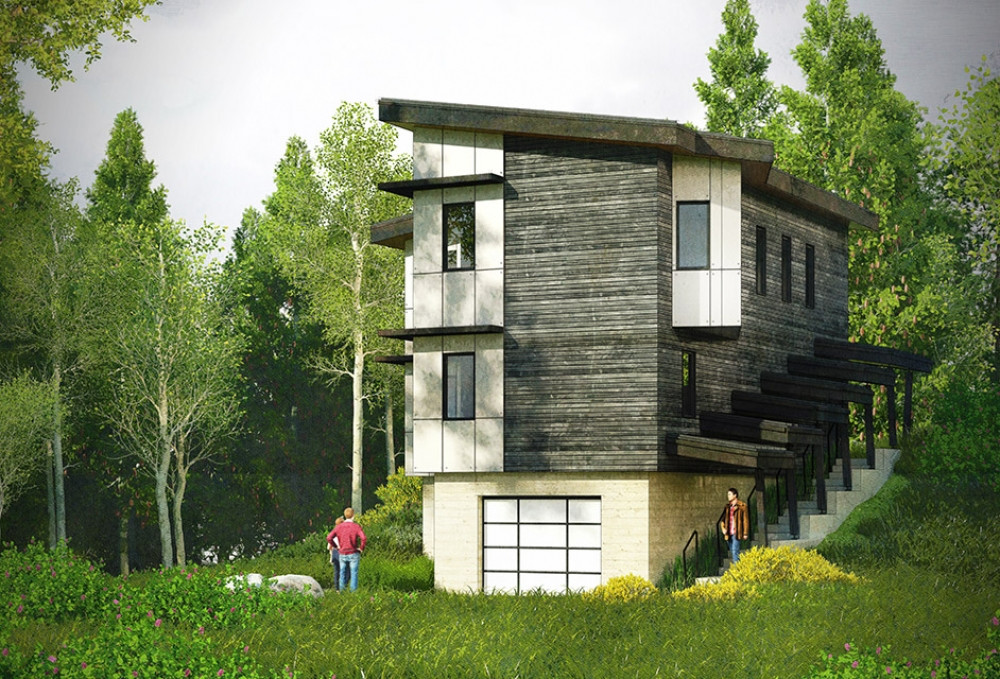

Modeling the performance of a passive house is a critical step in the design and construction process. It allows architects, builders, and homeowners to predict and optimize the energy efficiency of the building. This guide will walk you through the process of creating a passive house model, focusing on key elements such as thermal insulation, air tightness, and heat recovery ventilation. Let’s dive into the details.
Before we proceed, you might find it helpful to understand the concept of passive design for urban buildings. This will provide you with a solid foundation for the rest of this guide.
Understanding the Basics of Passive House Performance

The first step in modeling the performance of a passive house is understanding the fundamental principles that underpin its design. These include high levels of insulation, airtight construction, and the use of heat recovery ventilation systems. You can learn more about these principles and their benefits here.
Modeling Thermal Insulation
Thermal insulation is a key component of passive house design. It helps to minimize heat loss in winter and prevent overheating in summer. When modeling thermal insulation, it’s important to consider factors such as the type and thickness of the insulation material, as well as the location and size of the insulated areas.
Modeling Air Tightness
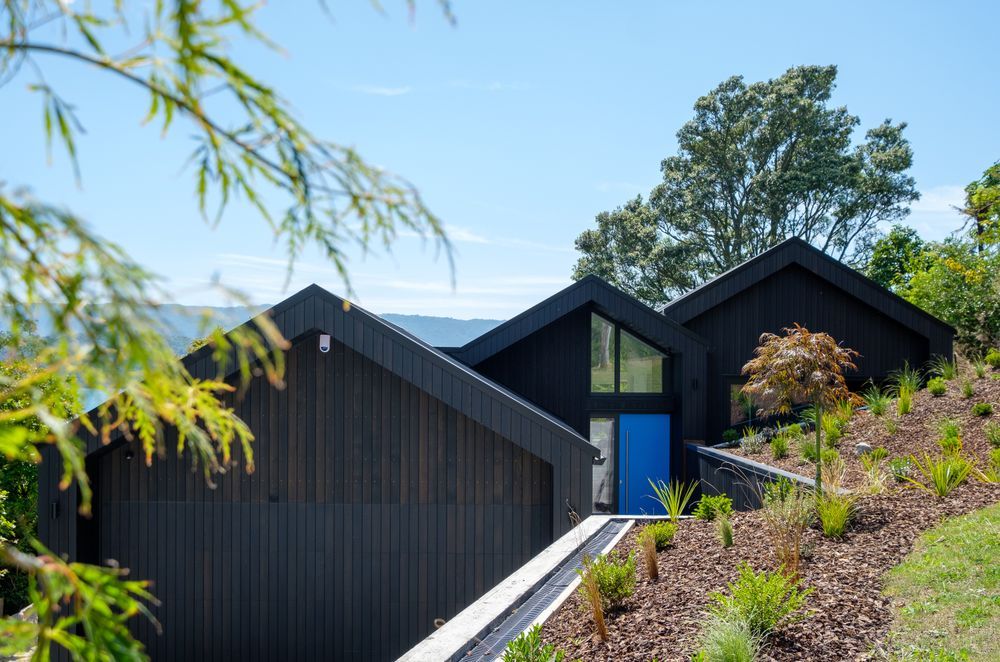
Air tightness is another crucial aspect of passive house design. It prevents uncontrolled air leakage, which can lead to heat loss and moisture problems. When modeling air tightness, it’s important to consider the design and construction details that contribute to airtightness, such as the use of air barriers and sealants.
Modeling Heat Recovery Ventilation
Heat recovery ventilation is a system that recovers heat from exhaust air and uses it to preheat incoming fresh air. This reduces the heating demand and improves indoor air quality. When modeling heat recovery ventilation, it’s important to consider factors such as the efficiency of the heat recovery unit and the design of the ventilation ducts.
Now that you have a better understanding of how to model the performance of a passive house, you can start applying these principles to your own projects. To help you visualize the process, you can visualize using live footage. Additionally, you can inspect with solar tools to ensure your model is as accurate as possible.