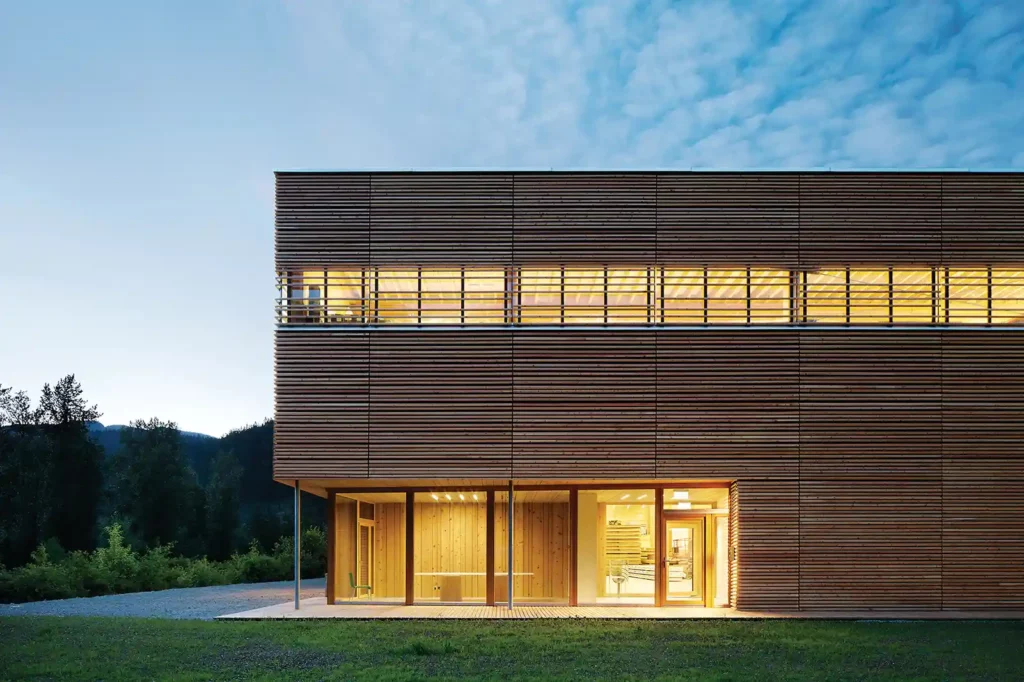

With the increasing awareness of climate change and the need for sustainable living, the concept of climate responsive building design has gained significant attention. This design approach takes into consideration the local climate and environment to create buildings that are energy-efficient, comfortable, and sustainable.
One of the key principles of this design approach is smart controls in passive homes. The idea is to use advanced technology and design strategies to reduce energy consumption and increase comfort levels.
Understanding the Concept of Climate Responsive Design
Climate responsive design is a holistic approach that integrates architectural design with environmental science. It involves the use of passive design strategies like orientation, insulation, shading, and ventilation to optimize energy efficiency and comfort.
Key Elements of Climate Responsive Buildings
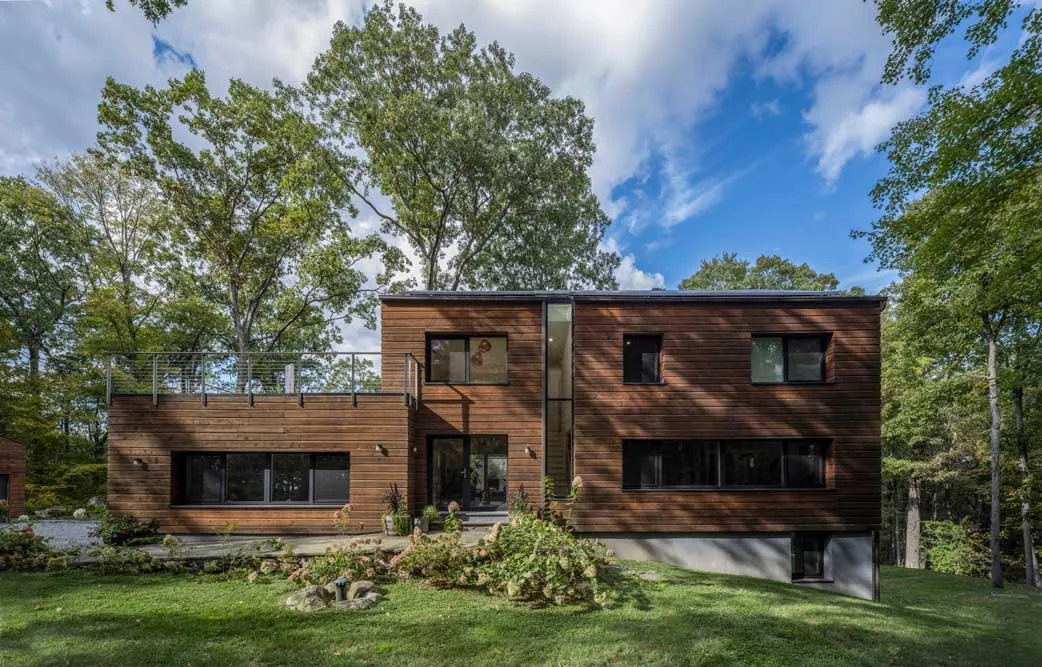
The design of a climate responsive building involves several key elements. These include site analysis, climate analysis, design development, and performance evaluation. Each of these elements plays a crucial role in ensuring the building’s sustainability and energy efficiency.

Benefits of Climate Responsive Design
Climate responsive design offers numerous benefits. It not only reduces energy consumption and greenhouse gas emissions but also improves indoor environmental quality, enhances comfort, and promotes health and well-being. Moreover, it can significantly reduce operating costs and contribute to the long-term sustainability of buildings.
Conclusion
Climate responsive building design is an effective strategy for creating sustainable and energy-efficient buildings. By considering the local climate and using passive design strategies, it is possible to create buildings that are comfortable, sustainable, and cost-effective. For more information on this topic, check out these passive building principles.
To further enhance the sustainability of your building, consider using a solar camera that suits all zones and commission solar systems early.