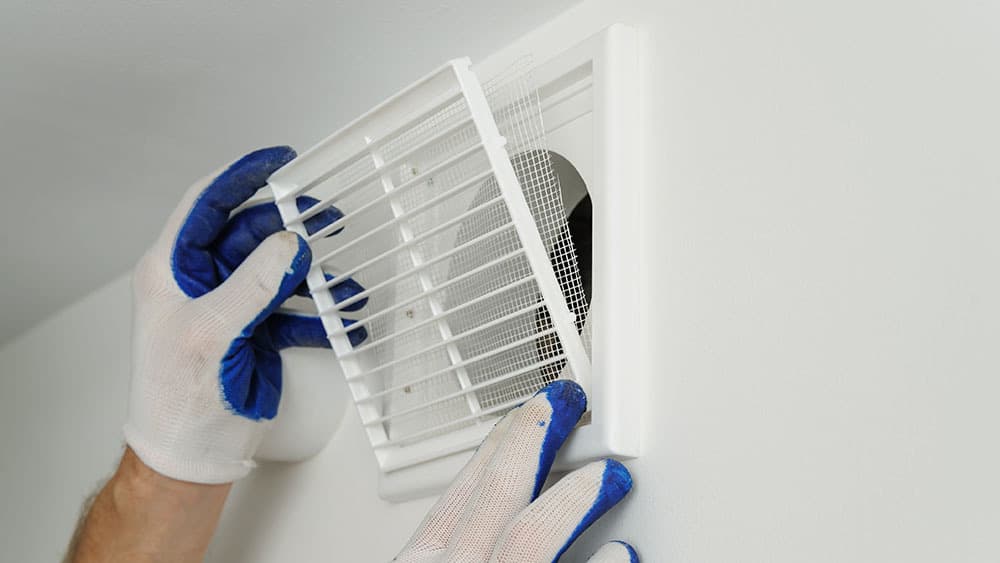

Managing air pressure in your home or workspace is essential for comfort, indoor air quality, and the longevity of your building. Negative pressure occurs when the air pressure inside is lower than outside, causing unfiltered air, dust, and even harmful gases to be drawn indoors. Learning how to avoid negative pressure can help you maintain a healthier, more energy-efficient environment.
Whether you’re dealing with persistent drafts, doors that slam shut on their own, or musty odors, understanding the causes and solutions for air pressure imbalances is crucial. This article covers the basics of air pressure, practical strategies for prevention, and expert tips for maintaining balanced airflow. For those interested in broader home improvement topics, you might also find value in kitchen remodeling visual balance tips to enhance your living space.
Understanding Air Pressure Imbalances
To effectively address how to avoid negative pressure, it’s important to grasp what causes these imbalances. In a balanced environment, the amount of air entering and leaving a space is equal. When more air is exhausted than supplied, negative pressure develops. This can result from:
- Overuse of exhaust fans without adequate make-up air
- Sealed windows and doors with no fresh air intake
- Unbalanced HVAC systems
- Blocked or closed vents
Negative pressure can draw in pollutants, moisture, and even backdraft combustion gases from appliances, posing health and safety risks.
Common Signs of Negative Pressure in Buildings
Recognizing the symptoms of negative air pressure is the first step toward a solution. Some of the most frequent indicators include:
- Difficulty opening exterior doors
- Drafts around windows and doors
- Unexplained odors entering from outside or adjacent spaces
- Whistling sounds near gaps or vents
- Backdrafting from fireplaces, water heaters, or furnaces
If you notice these issues, it’s likely your space is experiencing air pressure problems that need to be addressed.
Strategies to Prevent Negative Pressure
Preventing air pressure imbalances involves a combination of ventilation, equipment adjustments, and regular maintenance. Here are practical steps to keep your indoor environment balanced:
Balance Exhaust and Supply Air
One of the most effective ways to prevent negative pressure is to ensure that the amount of air being exhausted matches the amount being supplied. This can be achieved by:
- Installing make-up air systems to replace exhausted air
- Using balanced ventilation systems, such as energy recovery ventilators (ERVs) or heat recovery ventilators (HRVs)
- Adjusting HVAC dampers to allow for proper airflow
Maintain and Upgrade Ventilation Systems
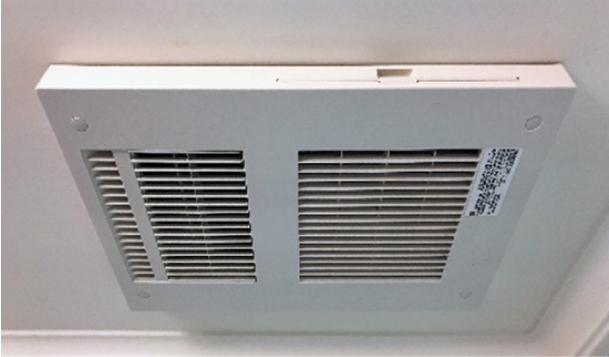
Regularly inspect and maintain your ventilation equipment. Clean or replace filters, clear blockages, and ensure fans are working efficiently. Upgrading to modern, balanced ventilation systems can significantly reduce the risk of negative air pressure. For a deeper understanding of how different ventilation systems operate, see this comprehensive guide to home ventilation systems.
Seal and Insulate Properly
While sealing gaps and cracks is important for energy efficiency, over-sealing without providing adequate fresh air can worsen pressure imbalances. Use weatherstripping and caulk judiciously, and always ensure there is a controlled source of fresh air entering the building.
Best Practices for Managing Indoor Air Pressure
Beyond basic prevention, there are several best practices that can help you maintain healthy air pressure in your home or business:
- Use range hoods, bathroom fans, and other exhaust appliances only as needed
- Install pressure sensors to monitor indoor/outdoor pressure differences
- Schedule regular HVAC inspections to identify and correct imbalances
- Educate household members or staff about the importance of balanced airflow
Room-by-Room Tips for Balanced Airflow
Each area of your home or building may require specific solutions to maintain proper air pressure:
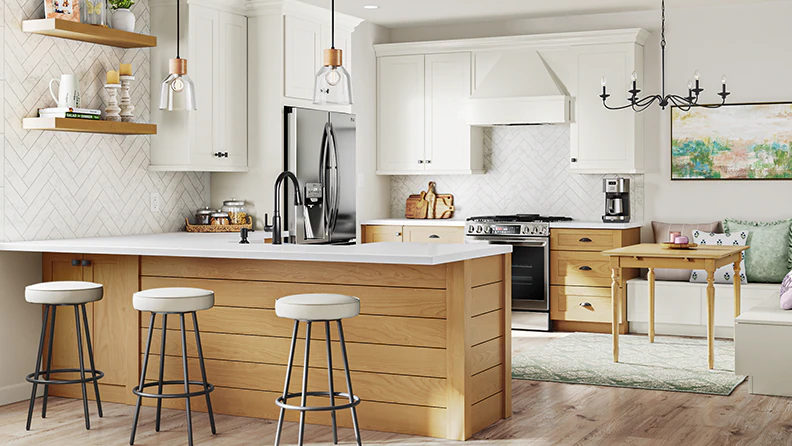
- Kitchens: Use range hoods with make-up air kits to prevent excessive exhaust. For more on kitchen airflow and design, check out our kitchen remodeling cleaning zone layout ideas.
- Bathrooms: Install humidity-sensing exhaust fans and ensure there’s a source of fresh air.
- Basements: Use dehumidifiers and supply vents to prevent musty odors and moisture intrusion.
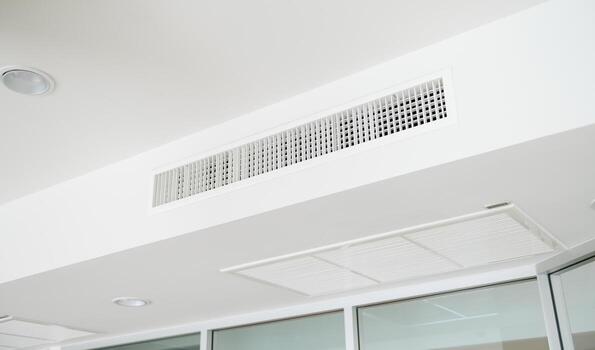
- Living Areas: Keep air returns unobstructed and consider adding transfer grilles between rooms.
When to Call a Professional
While many air pressure issues can be resolved with DIY adjustments, persistent or severe problems may require professional assessment. HVAC technicians can perform blower door tests, measure pressure differentials, and recommend system upgrades or repairs. If you suspect combustion backdrafting or have ongoing air quality concerns, don’t hesitate to seek expert help.
FAQ
What are the health risks of negative air pressure?
Prolonged negative pressure can draw in outdoor pollutants, allergens, and even carbon monoxide from combustion appliances. This can worsen respiratory issues, trigger allergies, and pose serious safety hazards.
Can weather changes cause negative pressure indoors?
Yes, rapid changes in outdoor temperature or wind can affect indoor air pressure, especially in poorly sealed or ventilated buildings. However, mechanical ventilation imbalances are a more common cause.
How often should I check my ventilation system?
It’s wise to inspect your ventilation system at least twice a year, and more frequently if you notice drafts, odors, or HVAC performance issues. Regular filter changes and professional tune-ups can help prevent pressure problems.
Is negative pressure always a bad thing?
While slight negative pressure can help control odors in specific rooms (like bathrooms), whole-house negative pressure is generally undesirable due to its impact on air quality and energy efficiency.
By following these guidelines and staying attentive to your building’s airflow, you can minimize the risks associated with negative air pressure and enjoy a healthier, more comfortable indoor environment.