Introduction
As winter approaches, many homeowners and real estate developers begin to ask, What should indoor humidity be in winter? Maintaining the right indoor humidity levels during the cold months is crucial for comfort and health. In this comprehensive guide, we will explore the importance of managing indoor humidity during winter, the ideal levels to aim for, and practical tips to achieve them.

Why is Indoor Humidity Important?
Health Implications
Maintaining proper indoor humidity levels is crucial for health. Low humidity can lead to dry skin, respiratory issues, and worsen conditions like asthma. High humidity, on the other hand, can promote the growth of mold and dust mites, which can also affect respiratory health.
Comfort and Structural Integrity
Beyond health, the right humidity level contributes to overall comfort and the integrity of your home. Too little humidity can make the air feel colder, forcing you to turn up the heat. On the flip side, too much humidity can damage wooden furniture, floors, and even the structure of your home itself.

Ideal Indoor Humidity Levels for Winter
Recommended Humidity Range
The ideal indoor humidity level during winter generally falls between 30% and 50%. Levels below 30% can lead to dryness and discomfort, while levels above 50% can encourage mold growth.
Seasonal Adjustments
It’s essential to adjust your humidity settings depending on the outdoor temperature. When the temperature drops below freezing, aim for the lower end of the humidity range to prevent condensation on windows and other cold surfaces.
Tools for Measuring Humidity
Hygrometers
A hygrometer is a simple tool that measures the humidity level in your home. These devices are affordable and can be found at most home improvement stores.
Smart Thermostats
Many modern thermostats now come with built-in humidity sensors. These smart devices not only measure but can also control the humidity levels in your home, ensuring optimal comfort automatically.
How to Increase Indoor Humidity
Humidifiers
Portable and whole-house humidifiers are effective solutions for increasing indoor humidity. They come in various sizes and types, including evaporative, ultrasonic, and steam vaporizer models.
Natural Methods
Simply placing bowls of water around the house, particularly near radiators or heat vents, can help add moisture to the air. Indoor plants can also contribute to increasing humidity naturally.
How to Decrease Indoor Humidity
Dehumidifiers
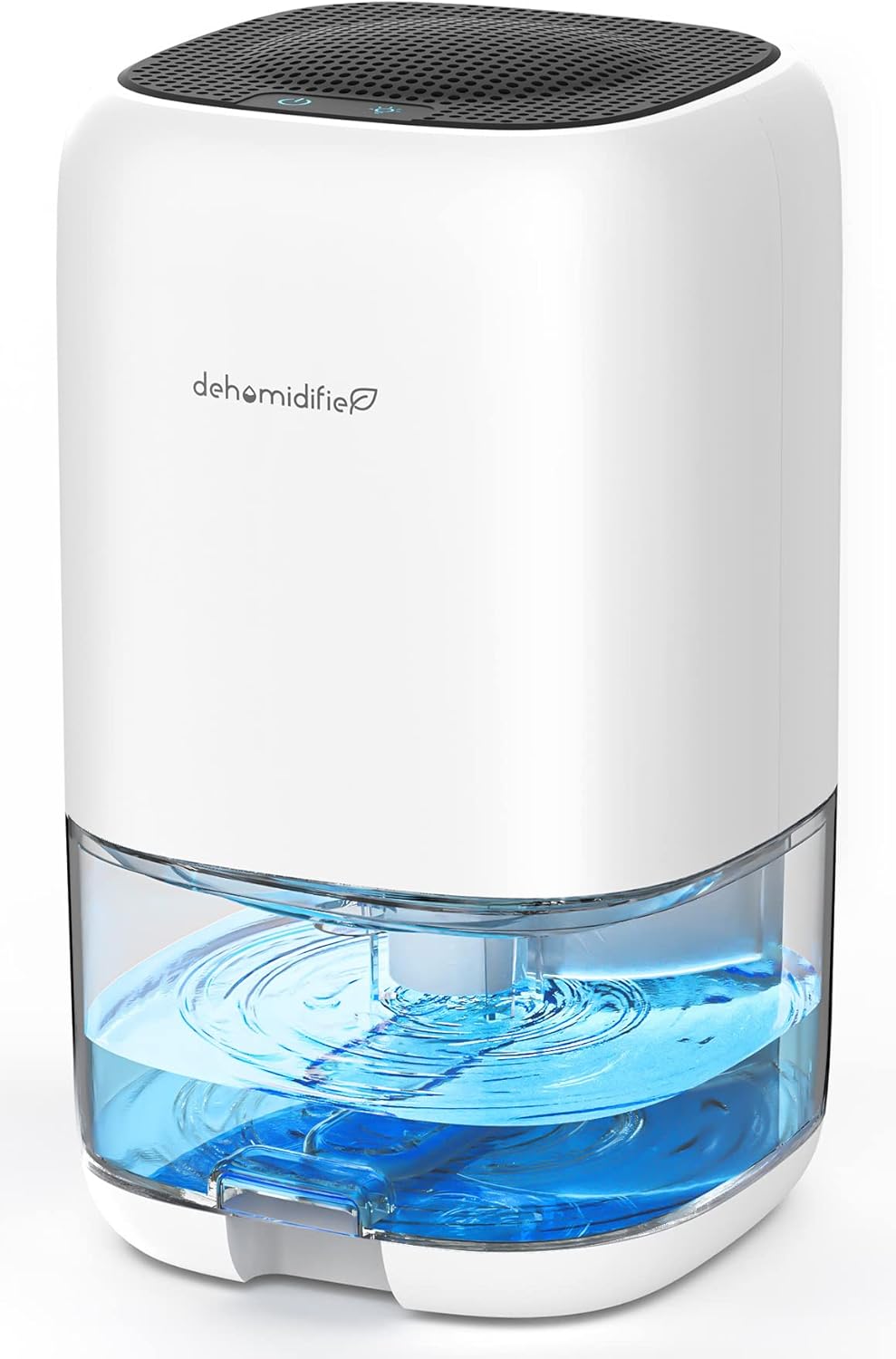
Just as humidifiers add moisture to the air, dehumidifiers remove it. They’re especially useful in winter when indoor activities like cooking, showering, and drying clothes can contribute to high humidity levels.
Ventilation
Improved ventilation is another effective way to control indoor humidity. Use exhaust fans in bathrooms and kitchens, and ensure your home is properly ventilated.
The Role of Insulation and Air Sealing
Insulation
Proper insulation helps maintain indoor temperature and humidity levels by reducing the exchange of air with the outside. This minimizes the effects of cold and dry winter air entering your home.
Air Sealing
Sealing gaps and cracks around windows, doors, and other openings can also help maintain optimal humidity levels. This prevents cold air from entering and warm, humid air from escaping.
Maintaining Indoor Humidity: Practical Tips
Regular Maintenance
Regularly check and maintain your HVAC system and humidifiers to ensure they’re working efficiently. Change filters as necessary and clean the units to prevent mold and bacteria buildup.
Monitor Humidity Levels
Use a hygrometer or a smart thermostat to monitor your indoor humidity levels continuously. Make adjustments as needed to stay within the recommended range.
Understanding the Impact of Activities on Humidity
Cooking and Bathing
Activities like cooking and bathing release moisture into the air. Using exhaust fans can help remove excess humidity and maintain a balanced indoor environment.
Indoor Plants
While indoor plants can help increase humidity, too many can lead to higher humidity levels. Be mindful of the number and type of plants you keep indoors.
Frequently Asked Questions
What should my indoor humidity be in winter?
The ideal indoor humidity level in winter should be between 30% and 50%, with adjustments based on outdoor temperatures to avoid condensation and mold growth.
How can I measure my home’s humidity?
You can measure your home’s humidity using a hygrometer or a smart thermostat with built-in humidity sensors.
What are the risks of improper humidity levels?
Improper humidity levels can lead to health issues like respiratory problems and mold growth, as well as damage to your home’s structure and furnishings.
Conclusion
Understanding what should indoor humidity be in winter is essential for maintaining a comfortable and healthy living environment. By following the tips and guidelines provided in this article, homeowners and real estate developers alike can ensure their indoor humidity levels are optimized for the winter months. For more details, you can visit iaq.works.
As an Amazon Associate, I earn from qualifying purchases.
For more tips on maintaining a healthy living environment, you can check out related articles on Low-impact techniques, Recycled materials, and Indoor air quality.