Skip to content
Bruce Massey Construction Bruce Massey Construction

Where Vision Meets Precision

  • Home
  • About Us
  • Blog
  • Contact Us
    • Terms of Use
    • Privacy Policy
Bruce Massey Construction

Where Vision Meets Precision

Sustainable Passive Building Design

Elan James, October 30, 2025October 30, 2025

Passive design is a sustainable building standard that is increasingly being adopted worldwide. It leverages the climate to maintain a comfortable temperature range in the home. The design reduces heating and cooling costs and, as a result, lowers the carbon footprint. It’s a design methodology that integrates with the architectural design and uses location-specific environmental conditions to help achieve optimal indoor thermal comfort.

Before we delve into the specifics of passive design, let’s understand its importance. The construction and operation of buildings account for nearly 40% of global energy-related carbon dioxide emissions. Hence, it’s crucial to reduce this impact and make our buildings more energy-efficient. This is where passive design comes into play. For more insights on this topic, you can check out our guide on passive house energy modeling.

Key Elements of Passive Design

Passive design strategies vary by the building’s location and climate, but the following principles are universal:
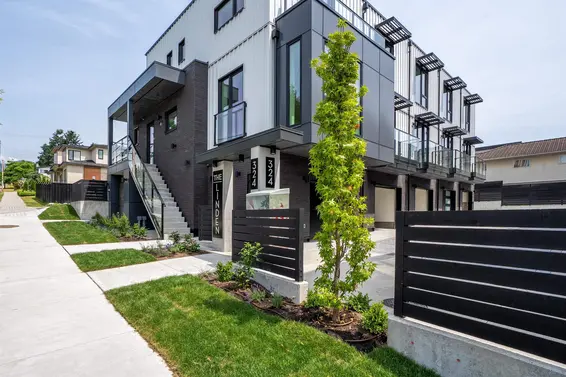
sustainable passive building design Sustainable Passive Building Design

Optimal Insulation

Insulation is a crucial aspect of passive design. It reduces unwanted heat gain and loss.

Thermal Mass

Materials that are dense and heavy, like concrete, bricks, and tiles, are good at storing heat and slow to change temperature.

Glazing

Glazing is a critical part of the passive design. It can significantly impact the heating, cooling, and lighting of a house.
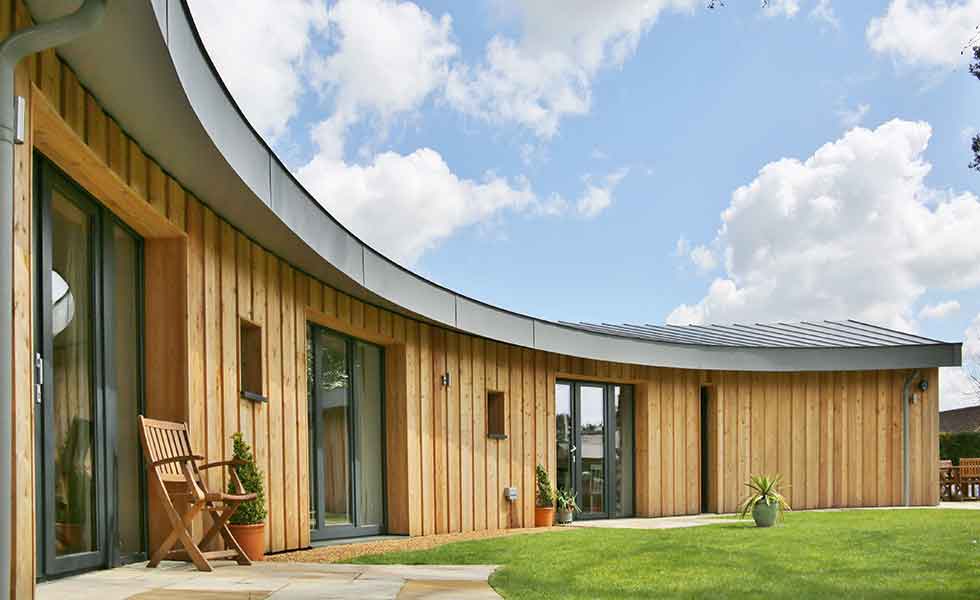
sustainable passive building design Sustainable Passive Building Design

Benefits of Passive Design

Passive design not only reduces energy costs but also improves comfort. It reduces the need for auxiliary heating or cooling, which accounts for about 40% of energy use in the average home.

Implementing Passive Design

Implementing passive design in your home can be a straightforward process. For a detailed checklist, you can refer to this descriptive anchor text.

To further enhance your sustainable passive building design, you can pair with solar security panel and design with renewable intent.

Blog BlogHow-To Guidessustainable passive building design

Post navigation

Previous post
Next post

Related Posts

Blog Attic

Attic Smart Home Integration Ideas and How to Implement

May 19, 2025

Transforming your attic into a functional and innovative space is more achievable than ever with the rise of smart home technology. Whether you are a homeowner looking to enhance your living space or a real estate developer aiming to increase property value, integrating smart technology into your attic can provide…

Read More
Blog Airbnb

Airbnb Mobile Check-In Guide: Everything You Need to Know

July 1, 2025

Airbnb has revolutionized the travel and lodging industry with its convenient and user-friendly platform. One of the features that make Airbnb even more appealing is the mobile check-in option. This feature allows guests to check in to their accommodations using their smartphones, making the process seamless and efficient. Whether you’re…

Read More
Blog Tile

Its here! How to Redo Bathroom Tile: Tremendous Guide for a Big Impact

April 27, 2024July 6, 2025

Redoing bathroom tile can be a game-changer for your home. Whether you’re a homeowner looking to upgrade your space or a real estate developer aiming to add value to a property, this guide on how to redo bathroom tile will walk you through every step of the process. We’ll cover…

Read More

Recent Posts

  • Prefabricated Passive Homes
  • Importance of Air Barriers
  • Passive Design for Urban Buildings
  • Passive Design for Urban Buildings
  • Passive House for Multifamily Buildings
©2025 Bruce Massey Construction | WordPress Theme by SuperbThemes