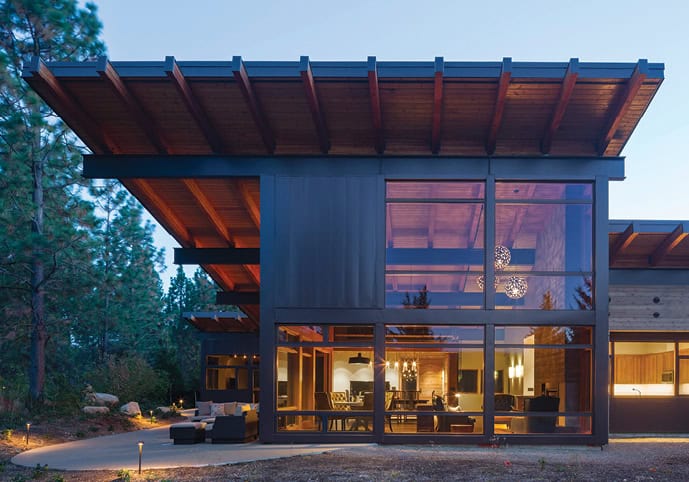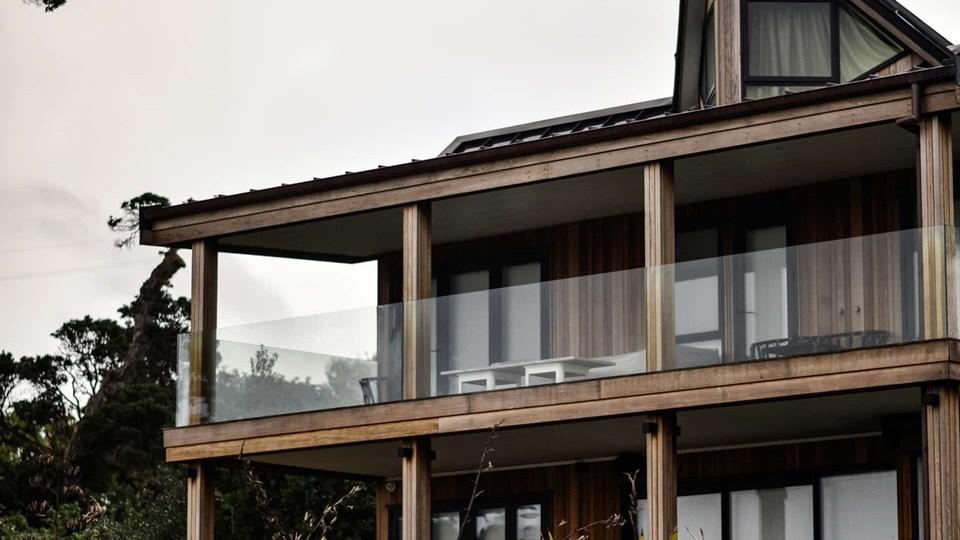

When it comes to building a passive house, the materials you choose can make a significant difference in the overall energy efficiency and comfort of the home. This guide will provide you with insights on how to make the right choices for your project.
Before we delve into the specifics, it’s essential to have a clear understanding of what a passive house is. You can learn more about this from our article on Passive House Design Challenges.
Key Considerations in Material Selection
Choosing the right materials for a passive house involves considering various factors such as thermal performance, air tightness, and moisture management. Let’s explore these aspects in detail.

Thermal Performance and Air Tightness
Materials with high thermal performance and air tightness are crucial in passive house construction. These properties help maintain a comfortable indoor temperature, reducing the need for active heating and cooling systems. You can learn more about this from the Passive House Design Principles.
Moisture Management
Proper moisture management is another critical aspect of passive house construction. Materials should be chosen with an eye towards preventing condensation and mold growth, which can compromise the building’s structural integrity and indoor air quality.

Conclusion
Choosing the right materials for your passive house is a crucial step in ensuring its energy efficiency, comfort, and longevity. By considering factors such as thermal performance, air tightness, and moisture management, you can create a home that is not only environmentally friendly but also comfortable and durable.
If you’re looking to start your passive house project, consider these options: choose durable solar panel and choose efficient solar systems.