


Building a passive house is an exciting journey toward sustainable living. For homeowners and real estate developers, understanding the intricacies of passive house design can lead to significant energy savings and a smaller environmental footprint. This article will provide you with DIY tips that are easy to implement and beneficial in creating your eco-friendly haven.
What is a Passive House?
A passive house is a building standard that is truly energy efficient, comfortable, affordable, and ecological at the same time. The concept originated in Germany and has spread worldwide as a strategy for building energy-efficient homes.
Benefits of Passive House Design
Here are some benefits of adopting passive house design:
Energy Efficiency
Passive houses are designed to be highly energy efficient, reducing energy consumption by up to 90% compared to traditional buildings. This efficiency translates to lower utility bills and a reduced carbon footprint.
Comfort and Health
These homes maintain a consistent indoor temperature and air quality, contributing to enhanced comfort and health for the occupants.
Durability
With proper construction and materials, passive houses can be more durable and require less maintenance over time.
DIY Tips for Building a Passive House
Whether you’re planning to build a passive house from scratch or retrofit an existing home, here are some DIY tips to get you started:
1. Location and Orientation
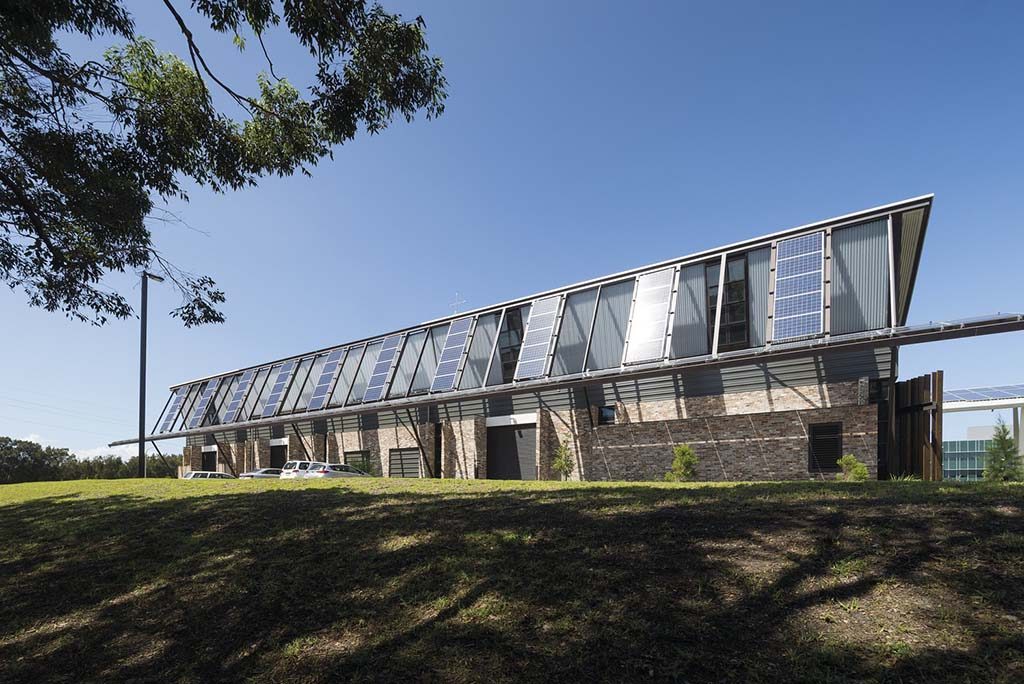
Choose a site that maximizes exposure to sunlight, which is crucial for passive heating. Position your home to take advantage of natural light and heat.
2. Insulation
Insulation is key to a passive house. Ensure that walls, roofs, and floors are well-insulated to prevent heat loss in winter and keep the home cool in summer.
3. Airtight Construction
Focus on creating an airtight envelope to prevent unwanted air leaks, which can lead to energy loss and discomfort.
4. High-Performance Windows
Invest in high-performance windows that offer superior insulation and help regulate indoor temperatures.
5. Ventilation System
Install a heat recovery ventilation system to ensure fresh air circulation without sacrificing energy efficiency.
6. Efficient Heating and Cooling
Consider using a heat pump for both heating and cooling needs, as they are efficient and cost-effective.
7. Use of Sustainable Materials
Opt for sustainable building materials that are environmentally friendly and contribute to the overall efficiency of your home.
8. Renewable Energy Sources
Incorporate renewable energy sources like solar panels to further reduce your reliance on non-renewable energy.
Common Mistakes to Avoid
Avoiding these common mistakes can help you achieve your passive house goals:
Ignoring the Importance of Design
A well-thought-out design is crucial. Neglecting this step can lead to inefficiencies and increased costs.
Poor Quality Materials
Using subpar materials can compromise the integrity and efficiency of your passive house.
Overlooking Ventilation Needs
Proper ventilation is essential for maintaining air quality and energy efficiency.
Resources for Passive House Design
For more information on passive house design, visit the EPA’s Green Building page.
Conclusion
Embracing passive house design through DIY tips not only benefits the environment but also improves your quality of life. By following these guidelines, you’ll be well on your way to creating a home that is comfortable, efficient, and sustainable.
FAQ Section
What is a passive house?
A passive house is an energy-efficient building standard that ensures comfort and affordability while reducing ecological impact.
Why is insulation important in passive house design?
Insulation helps maintain indoor temperatures, reducing energy needs for heating and cooling.
How can I make my home more energy-efficient?
Implementing proper insulation, airtight construction, and renewable energy sources can significantly enhance your home’s energy efficiency.
This article contains affiliate links. We may earn a commission at no extra cost to you.


