When embarking on the journey to create a passive house, the goal is to achieve an ultra-low energy building that requires little energy for heating or cooling. However, many homeowners and real estate developers encounter passive house design common mistakes that could compromise the efficiency and sustainability of the project. Understanding these mistakes is crucial for anyone interested in building a home that is both environmentally friendly and cost-effective.
Understanding Passive House Principles
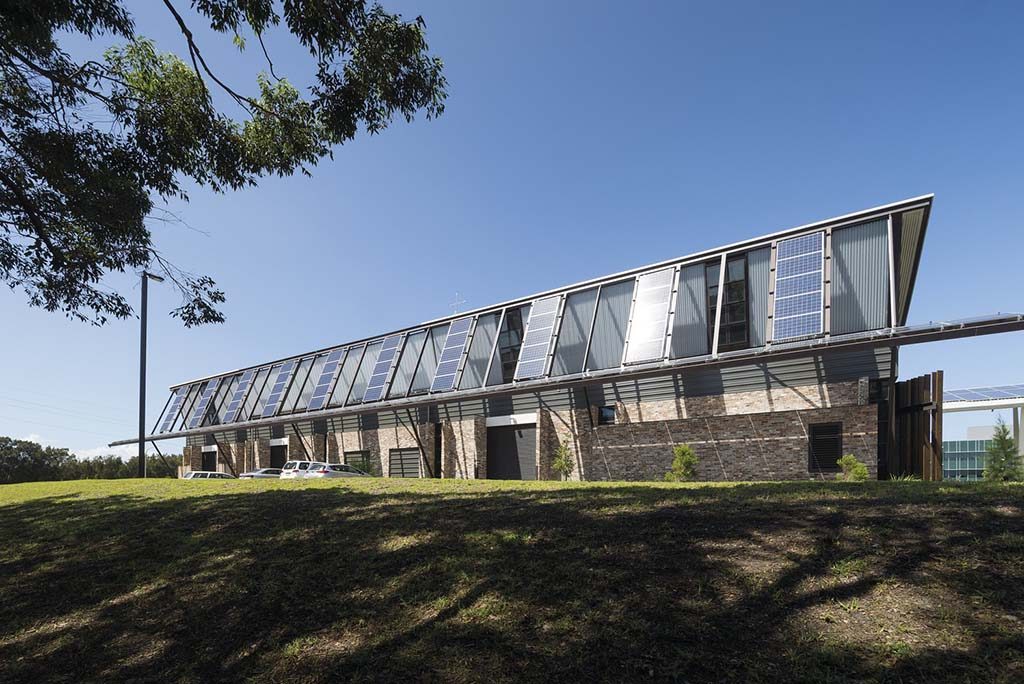
Before diving into the common mistakes, it is essential to grasp the principles of a passive house. The concept is simple yet powerful: maximizing the use of natural elements such as sunlight and shading to maintain a comfortable indoor environment. The design focuses on high levels of insulation, airtightness, and the use of energy-efficient windows and doors. These elements work together to reduce energy consumption significantly.
Overlooking Proper Orientation
One of the most common mistakes is neglecting the home’s orientation. Proper orientation is crucial for optimizing solar gains and minimizing energy loss. Homes that are not oriented correctly may face challenges in achieving the desired energy efficiency. It’s important to consider the sun’s path and surrounding landscape during the design phase.
Ignoring Climate Considerations
Each region has its unique climate, which should influence the design of a passive house. Failing to account for local climate conditions can lead to energy inefficiencies and increased costs. For example, what works in a cold climate may not be suitable for a hot and humid area.
Insufficient Insulation
Proper insulation is a cornerstone of passive house design. However, a common mistake is using insufficient or incorrect types of insulation materials. This can lead to thermal bridging and energy loss, undermining the home’s energy efficiency. It is crucial to invest in high-quality, appropriate insulation materials for your specific climate.
Thermal Bridging Issues
Thermal bridges occur when there is a break in the insulation layer, allowing heat to flow in or out of the building. They are often found at junctions between walls, floors, and roofs. Addressing thermal bridges requires careful design and construction practices to ensure continuous insulation.
Poor Airtightness
Airtightness is essential for preventing unwanted air leakage, which can lead to increased energy use and discomfort. Many builders underestimate the importance of airtightness, resulting in drafts and energy losses. Implementing a robust airtightness strategy during construction is vital to achieving a true passive house.
Ventilation System Neglect
While airtightness is crucial, it must be balanced with adequate ventilation. Overlooking the importance of a well-designed ventilation system can lead to poor indoor air quality. Mechanical ventilation with heat recovery (MVHR) systems are often recommended for passive houses.
Choosing the Wrong Windows and Doors
Windows and doors are critical components of any home, and their selection can significantly impact the energy efficiency of a passive house. Using low-quality or improperly installed windows and doors can lead to significant heat loss. Opt for high-performance, triple-glazed windows and doors to ensure optimal performance.
Improper Installation
Even the best windows and doors will not perform as expected if they are not installed correctly. Proper installation is crucial to avoid air leaks and ensure the integrity of the building envelope.
Neglecting Shading Solutions
Shading plays a vital role in managing solar gains and preventing overheating in a passive house. Neglecting shading solutions can lead to discomfort and increased energy use for cooling. Consider incorporating shading devices, such as overhangs or external blinds, into the design.
Dynamic Shading Devices
Dynamic shading devices that can be adjusted based on the sun’s position are highly effective in optimizing energy use. They offer flexibility and can adapt to changing weather conditions.
Underestimating the Importance of Landscaping
Landscaping is often overlooked in passive house design, yet it can significantly impact energy efficiency. Strategic placement of trees and shrubs can provide natural shading and windbreaks, further enhancing the home’s performance.
Native Plant Selection
Choosing native plants that are well-suited to the local climate can reduce the need for irrigation and maintenance, contributing to the overall sustainability of the property.
Misjudging Cost Implications
Building a passive house can be more expensive upfront due to the high-quality materials and systems required. However, many homeowners fail to consider the long-term savings on energy bills and the increased comfort levels. Understanding the cost-benefit analysis is crucial in making informed decisions.
Financing Options
There are various financing options and incentives available for homeowners interested in passive house projects. Exploring these options can help offset initial costs and make the investment more accessible.
Inadequate Planning and Design
The importance of thorough planning and design cannot be overstated. Rushing through the design phase or failing to consult with experienced professionals can lead to costly mistakes. A detailed design process is critical to achieving the desired outcomes.
Engaging Experienced Professionals
Engaging professionals with experience in passive house design can provide valuable insights and help avoid common pitfalls. Their expertise ensures that all aspects of the project align with passive house principles.
Lack of Education and Awareness
Many homeowners and builders are not fully aware of the requirements and benefits of a passive house. Educating oneself about the principles and advantages of passive house design is key to making informed decisions.
Workshops and Resources
Attending workshops and utilizing online resources, such as the U.S. Green Building Council, can provide valuable information and support throughout the building process.
Conclusion
Building a passive house is a rewarding endeavor that offers significant benefits for both homeowners and the environment. By avoiding passive house design common mistakes, individuals can create comfortable, energy-efficient homes that stand the test of time. Thorough planning, attention to detail, and a commitment to sustainability are essential for success.
FAQ Section
What is a passive house?
A passive house is a building standard that focuses on energy efficiency, comfort, and sustainability. It aims to reduce energy consumption by utilizing natural elements and high-performance building materials.
How does a passive house benefit homeowners?
Homeowners benefit from lower energy bills, improved indoor air quality, and increased comfort. Additionally, passive houses have a smaller environmental footprint and contribute to sustainability efforts.
Can existing homes be retrofitted to meet passive house standards?
Yes, existing homes can be retrofitted to improve energy efficiency and meet passive house standards. This typically involves upgrading insulation, windows, and ventilation systems.
This article contains affiliate links. We may earn a commission at no extra cost to you.