Skip to content
Bruce Massey Construction Bruce Massey Construction

Where Vision Meets Precision

  • Home
  • About Us
  • Blog
  • Contact Us
    • Terms of Use
    • Privacy Policy
Bruce Massey Construction

Where Vision Meets Precision

Passive Design Guidelines for Builders

Elan James, November 21, 2025November 25, 2025

As a builder, understanding and implementing passive design principles can significantly improve the energy efficiency of the structures you create. This guide will provide you with essential guidelines to incorporate passive design into your building projects.

Before diving into the specifics, it’s important to understand the concept of passive design. It refers to the use of the sun, wind and other environmental conditions to maintain a comfortable temperature range in a building. Passive design reduces or eliminates the need for auxiliary heating or cooling, which can significantly reduce both energy use and environmental impact. For more detailed information, check out this comprehensive resource.

Key Elements of Passive Design
passive design guidelines for builders Passive Design Guidelines for Builders

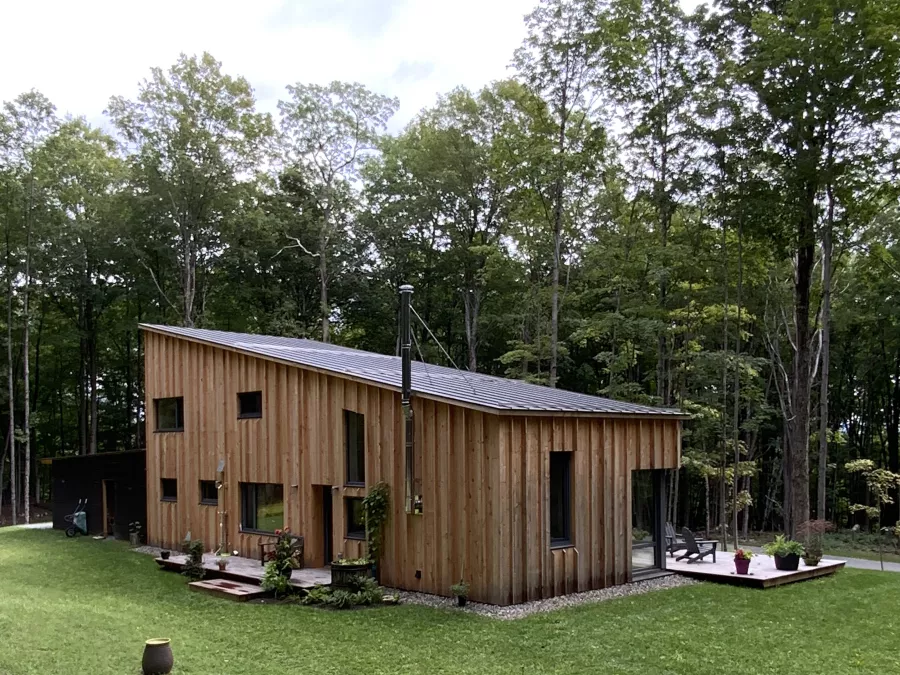
There are several key elements to consider when implementing passive design in your building projects. These include orientation, insulation, window placement and size, shading, ventilation, and thermal mass. Each of these factors plays a crucial role in the overall energy efficiency of a building.

Implementing Passive Design
passive design guidelines for builders Passive Design Guidelines for Builders

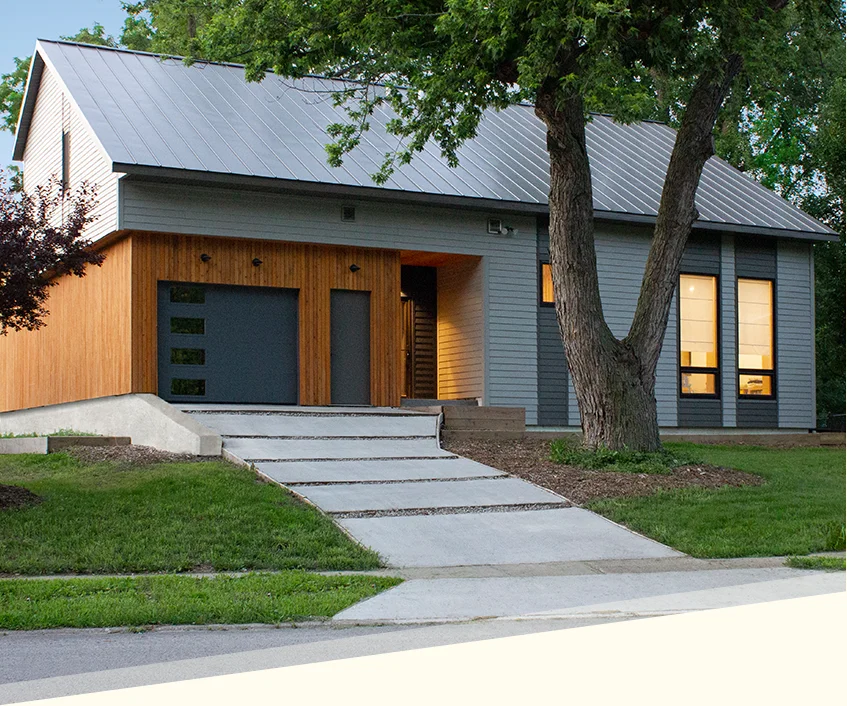
Implementing passive design principles requires careful planning and consideration. It’s important to consider the local climate, site conditions, and building usage. For more information on specific materials that can aid in creating an airtight building envelope, check out our airtight building materials overview.

Benefits of Passive Design

Adopting passive design principles can provide numerous benefits. These include reduced energy costs, improved indoor air quality, increased comfort, and reduced environmental impact. It’s a win-win situation for both the builder and the building occupants.

To further enhance the energy efficiency of your building project, consider integrating solar power. You can include solar integration as part of your design. And remember, it’s possible to build smart on a budget.

By following these guidelines, you can create buildings that are not only energy efficient but also comfortable and sustainable. Start implementing passive design principles in your building projects today and reap the benefits for years to come.
Blog BlogHow-To Guidespassive design guidelines for builders

Post navigation

Previous post
Next post

Related Posts

Blog Green Construction

Eco-Friendly Construction Trends in Modern Architecture

May 21, 2025July 6, 2025

The building industry is undergoing a significant transformation, driven by a growing recognition of the need for eco-friendly construction trends. As the focus on sustainability amplifies, both homeowners and real estate developers are exploring new ways to design and build structures that not only meet the demands of today but…

Read More

Big Approved Ways to Enhance Greenhouse Humidity

December 26, 2023July 6, 2025

Welcome to the world of greenhouses where the challenge often lies in maintaining optimal humidity levels. Knowing how to increase humidity in greenhouse can be a game-changer for plant growth and productivity. Whether you’re a homeowner growing a hobby garden or a real estate developer working on a large project,…

Read More

How to Reduce Humidity in the House Without a Dehumidifier: Tremendous Home Technologies

December 12, 2023July 6, 2025

Signs of High Humidity at Home Before diving into the solutions, its important to identify whether you have a humidity problem. Signs of high humidity include: Condensation on windows Mold spots on walls or ceilings Musty odors Allergies and respiratory issues Warped wood or peeling paint

Read More

Recent Posts

  • Sustainable Heating Systems for Passive Homes
  • Airtight Detailing Examples
  • Passive Building Design Checklist
  • Passive House vs Conventional Home Comparison
  • Designing for Occupant Health and Comfort
©2025 Bruce Massey Construction | WordPress Theme by SuperbThemes