
The office buildout procurement process is a critical pathway for organizations looking to create functional, modern, and efficient workspaces. Whether moving into a new location or renovating an existing office, understanding how to manage procurement can save time, reduce costs, and ensure a smooth transition from concept to completion. This article breaks down each stage, highlights best practices, and provides practical insights for business owners, facility managers, and project teams.
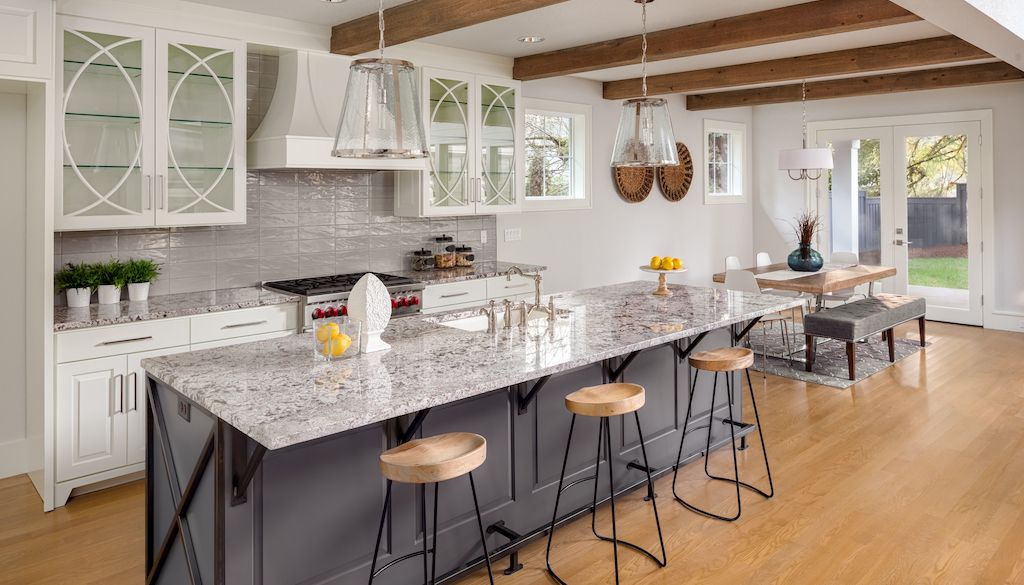
While the focus here is on office environments, many of the principles discussed apply to other commercial spaces as well. If you’re interested in optimizing other areas of your property, such as kitchens, you might find value in exploring kitchen remodeling space optimization tips for additional inspiration.
Understanding the Procurement Journey for Office Buildouts
The journey from an empty shell to a fully operational office involves several coordinated steps. Each phase of the office buildout procurement process requires careful planning, clear communication, and strategic decision-making. The process typically includes:
- Defining project requirements and scope
- Budgeting and financial planning
- Selecting design and construction partners
- Managing bids and contracts
- Overseeing construction and fit-out
- Final inspections and handover
By following a structured approach, organizations can minimize risks, avoid costly delays, and achieve their desired outcomes.
Key Steps in the Office Buildout Sourcing Process
Let’s take a closer look at the main stages involved in sourcing and procuring services and materials for an office buildout:
1. Project Planning and Needs Assessment
The first step is to define the project’s goals, requirements, and constraints. This involves:
- Identifying the number of employees and workspace needs
- Determining required amenities (meeting rooms, kitchens, storage, etc.)
- Setting a realistic timeline for completion
- Establishing a preliminary budget
Early engagement with stakeholders ensures that all needs are considered and helps prevent scope creep later in the project.
2. Budget Development and Financial Controls
Budgeting is a cornerstone of the office buildout procurement process. Accurate cost estimation and financial controls help keep the project on track. Considerations include:
- Construction and fit-out costs
- Furniture, fixtures, and equipment (FF&E)
- Technology infrastructure
- Permits, fees, and contingency funds
It’s wise to build in a contingency (typically 10-15%) to cover unforeseen expenses.
3. Selecting Design and Construction Teams
Choosing the right partners is crucial. This stage often involves:
- Issuing Requests for Proposals (RFPs) to architects, designers, and contractors
- Evaluating bids based on experience, cost, and fit
- Conducting interviews and reference checks
- Negotiating terms and finalizing contracts
Transparency and clear communication during procurement help avoid misunderstandings and set the tone for successful collaboration.
Managing Bids, Contracts, and Vendor Relationships
Once the project team is in place, the next step is to manage the bidding and contracting process for all required goods and services. This includes:
- Soliciting competitive bids from multiple suppliers
- Evaluating proposals for value, quality, and reliability
- Negotiating pricing and delivery schedules
- Drafting and executing contracts with clear deliverables
Maintaining strong vendor relationships throughout the procurement process for office buildouts can lead to better pricing, improved service, and smoother project execution.
Best Practices for Contract Management
- Document all agreements in writing
- Define clear milestones and payment terms
- Monitor progress and address issues promptly
- Keep communication channels open with all parties
Well-managed contracts help ensure that all parties meet their obligations and that the project stays on schedule.
Construction Oversight and Quality Assurance
During the buildout phase, regular oversight is essential to maintain quality and adherence to the project plan. Key activities include:
- Conducting site inspections and progress meetings
- Coordinating with contractors and subcontractors
- Tracking timelines and addressing delays
- Ensuring compliance with building codes and safety standards
Proactive management at this stage helps prevent costly errors and ensures that the finished office meets all specifications.
Final Steps: Inspection, Handover, and Move-In
As construction nears completion, the focus shifts to final inspections and preparing the space for occupancy. This involves:
- Performing walkthroughs to identify punch list items
- Coordinating final cleaning and setup
- Testing systems (HVAC, lighting, IT infrastructure)
- Obtaining occupancy permits and approvals
After resolving any outstanding issues, the project team hands over the space to the client, who can then begin the move-in process. A smooth transition at this stage is the result of careful planning and diligent oversight throughout the buildout journey.
Common Challenges and How to Overcome Them
Even with meticulous planning, challenges can arise during the office buildout procurement process. Some common issues include:
- Unexpected site conditions or delays
- Budget overruns due to scope changes
- Supply chain disruptions
- Communication breakdowns between stakeholders
To mitigate these risks:
- Maintain a robust contingency plan
- Communicate regularly with all project participants
- Document changes and approvals in writing
- Work with experienced professionals who understand the nuances of office construction
For a deeper dive into best practices and expert advice, consider reviewing this comprehensive guide to mastering the office build-out process.
Frequently Asked Questions
What is the typical timeline for an office buildout procurement?
The timeline can vary widely depending on the size and complexity of the project. On average, a standard office buildout may take anywhere from three to nine months, including planning, procurement, construction, and move-in. Early engagement with all stakeholders and clear scheduling help keep the project on track.
How can I control costs during the procurement process?
Cost control starts with a detailed budget and continues through careful vendor selection, contract negotiation, and ongoing oversight. Building in a contingency fund, tracking expenses closely, and promptly addressing changes or issues are key strategies for staying within budget.
What are the most important factors when selecting vendors for an office buildout?
Experience with similar projects, a strong reputation, competitive pricing, and the ability to meet deadlines are all important. It’s also beneficial to choose vendors who communicate clearly and are responsive to your needs. Always check references and review past work before making a final decision.
Conclusion
Successfully managing the office buildout procurement process requires a blend of strategic planning, diligent oversight, and effective communication. By following a structured approach and leveraging the expertise of experienced partners, organizations can create workspaces that support productivity, collaboration, and long-term growth. For those interested in optimizing other areas of their commercial properties, exploring resources like kitchen remodeling compact kitchen ideas can provide further inspiration for efficient and stylish design solutions.