As modern businesses evolve, so do their work environments. Companies are increasingly seeking adaptable, efficient, and inspiring spaces that support a variety of work styles. Office buildout flexible workspace design is at the heart of this shift, offering solutions that allow organizations to respond to changing needs, scale teams, and foster collaboration. Whether you’re planning a new office or reimagining an existing one, understanding the principles of adaptable workspace design is essential for long-term success.
In this article, we’ll explore the core strategies for creating flexible offices, from layout planning and modular furniture to technology integration and wellness features. If you’re also interested in how sustainability fits into this process, our resource on office buildout green building standards provides valuable insights.
Core Principles of Adaptable Office Spaces
The foundation of any successful flexible workspace is a design that anticipates change. Rather than locking into a single configuration, these environments are built to evolve with your organization. Here are some essential principles to guide your approach:
- Modularity: Use movable walls, partitions, and modular furniture to allow for quick reconfiguration as teams grow or projects shift.
- Multi-Functionality: Design areas that serve multiple purposes, such as meeting rooms that double as quiet zones or collaborative lounges.
- Technology Integration: Ensure robust connectivity and easy access to power, supporting both in-person and remote collaboration.
- Employee Wellbeing: Incorporate natural light, biophilic elements, and wellness features to support productivity and comfort.

Planning for Flexibility in Office Buildouts
Early planning is crucial for a successful office buildout flexible workspace design. Start by assessing your current and future needs, considering factors like team size, workflow, and company culture. Engage stakeholders from different departments to gather diverse perspectives on how the space will be used.
During the planning phase, it’s also important to work with experienced professionals. For a deeper understanding of the contractor’s role in this process, refer to this guide to office build-out contractors.
Space Zoning and Layout Strategies
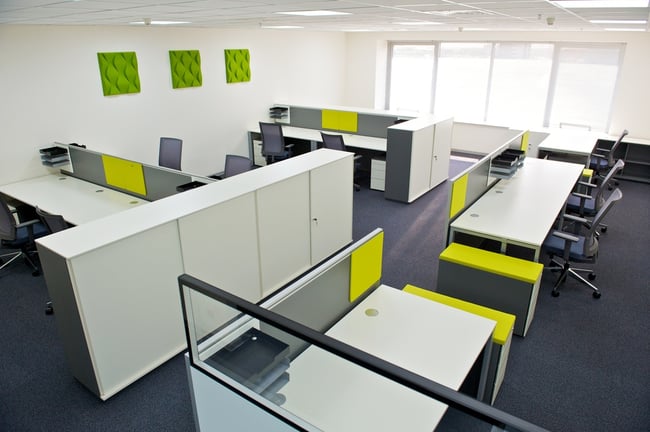
Zoning is a key aspect of flexible office environments. By dividing the workspace into distinct zones—such as open collaboration areas, private offices, and quiet focus rooms—you can accommodate a range of work styles. Movable partitions and glass walls are popular choices for creating zones without sacrificing openness or natural light.
Consider the following layout strategies:
- Open Plan with Defined Areas: Blend open seating with clearly marked zones for meetings, relaxation, and focused work.
- Hot Desking: Allow employees to choose where they work each day, maximizing space efficiency and encouraging cross-team interaction.
- Private Pods: Integrate soundproof pods or booths for calls and deep work, which can be relocated as needs change.
Furniture and Materials for Dynamic Workspaces
The right furniture can make or break a flexible office. Opt for modular desks, mobile storage, and stackable seating that can be rearranged or stored as needed. Height-adjustable desks and ergonomic chairs support employee health and allow for quick adaptation to different tasks.
Materials also play a role in flexibility. Durable, easy-to-clean surfaces are ideal for high-traffic areas, while acoustic panels and carpeting help manage noise in open layouts. Choose finishes that reflect your brand while supporting comfort and function.
Technology and Infrastructure for Flexibility
A truly adaptable office relies on robust technology infrastructure. Wireless networks, ample charging stations, and integrated AV systems enable seamless collaboration, whether teams are working on-site or connecting remotely. Consider investing in smart lighting, occupancy sensors, and digital booking systems to further enhance flexibility and efficiency.
When planning your buildout, ensure that cabling and power sources are easily accessible and can be modified as the layout evolves. Floor boxes, raised flooring, and cable management systems are practical solutions for future-proofing your space.
Supporting Wellbeing and Productivity
Flexible workspace design isn’t just about adaptability—it’s also about creating an environment where people thrive. Incorporate features that support physical and mental wellbeing, such as:
- Abundant natural light and views of the outdoors
- Indoor plants and biophilic design elements
- Quiet zones for focused work
- Wellness rooms for relaxation or private needs
- Access to healthy snacks and hydration stations
For more ideas on integrating wellness into your office, explore our resource on office buildout wellness design features.
Adapting to Future Needs
One of the greatest advantages of a flexible office is its ability to adapt to organizational changes. Whether you’re expanding, downsizing, or shifting your business model, a well-designed space can be reconfigured with minimal disruption. Regularly review how your workspace is being used and gather feedback from employees to identify opportunities for improvement.
If you’re new to the concept of office buildouts, our complete beginner’s guide to office buildouts covers the basics and helps you get started.
Frequently Asked Questions
What is a flexible workspace in the context of office buildouts?
A flexible workspace is a commercial office environment designed to adapt to changing organizational needs. It typically features modular layouts, movable furniture, and multi-purpose zones that can be reconfigured as teams or projects evolve.
How does flexible office design support productivity?
By offering a variety of work settings—such as collaborative areas, quiet rooms, and hot desks—flexible office design allows employees to choose the environment that best suits their tasks. This adaptability can boost focus, collaboration, and overall job satisfaction.
What are the key considerations when planning a flexible office buildout?
Important factors include understanding your team’s workflow, selecting modular and ergonomic furniture, integrating robust technology, and planning for future changes. Engaging with experienced contractors and designers can help ensure your space meets both current and future needs.