Living away from traditional infrastructure brings a unique set of challenges, especially when it comes to health and safety. Whether you reside in a remote homestead, travel in a van, or simply want to be ready for unexpected situations, off-grid medical preparedness is essential. Without immediate access to hospitals or pharmacies, self-reliance and proactive planning become critical for handling injuries, illnesses, and emergencies.
This guide covers the core principles of staying medically ready in off-grid environments. You’ll learn about building a robust first aid kit, developing essential skills, and setting up systems to manage health needs when help is far away. For a broader look at how technology can support remote living, see off-grid homestead automation for practical solutions.
Why Medical Readiness Matters Off the Grid
When you live or travel far from urban centers, emergency services may be hours or even days away. Weather, terrain, and unreliable communications can delay help even further. In these situations, being prepared to manage health crises yourself is not just wise—it’s necessary.
- Limited access to care: No nearby clinics or pharmacies means you must handle most situations independently.
- Longer response times: Ambulances or rescue teams may take longer to reach you.
- Greater responsibility: You must be ready to treat injuries, manage chronic conditions, and respond to sudden illnesses.
For those considering a remote lifestyle, it’s helpful to explore the realities of rural off-grid living to understand the broader context of self-sufficiency.
Building a Comprehensive Off-Grid Medical Kit
The foundation of off-grid medical preparedness is a well-stocked, versatile first aid kit. Your supplies should go beyond the basics, anticipating a range of scenarios from minor cuts to more serious injuries or illnesses.
Essential Components
- Wound care: Sterile gauze, bandages, adhesive tape, antiseptic wipes, and antibiotic ointment.
- Bleeding control: Tourniquets, hemostatic dressings, and trauma pads.
- Burn treatment: Burn dressings, gels, and non-stick pads.
- Pain and fever relief: Acetaminophen, ibuprofen, and aspirin.
- Allergy management: Antihistamines and, if needed, an epinephrine auto-injector.
- Splinting and immobilization: SAM splints, elastic bandages, and triangle bandages.
- Basic tools: Tweezers, scissors, safety pins, and a digital thermometer.
- Personal medications: Extra supply of any prescription drugs you or your family need.
- Emergency reference: A printed first aid manual or quick-reference guide.
Regularly check and update your kit. Replace expired medications and restock items after use. Tailor your supplies to your group’s needs, considering age, health conditions, and environment.
Developing Critical First Aid and Survival Skills
Supplies are only as effective as your ability to use them. Gaining practical knowledge is a cornerstone of off-grid medical preparedness. Consider the following steps:
- Take a certified first aid and CPR course—many organizations offer wilderness-specific training.
- Practice wound cleaning, bandaging, and splinting on a regular basis.
- Learn to recognize symptoms of infection, dehydration, and shock.
- Understand how to manage chronic conditions like diabetes or asthma without immediate professional help.
- Familiarize yourself with local plants and wildlife to prevent and treat bites, stings, or allergic reactions.
Training builds confidence and helps you stay calm under pressure. Involve all household members in drills so everyone knows what to do if an emergency arises.
Setting Up Off-Grid Health Systems
Beyond first aid, long-term health management is vital. Here are some strategies to support well-being when living remotely:
Water Safety and Sanitation
- Install reliable water filtration and purification systems.
- Store backup water in case of contamination or supply failure.
- Maintain proper waste disposal to prevent disease.
Food Security and Nutrition
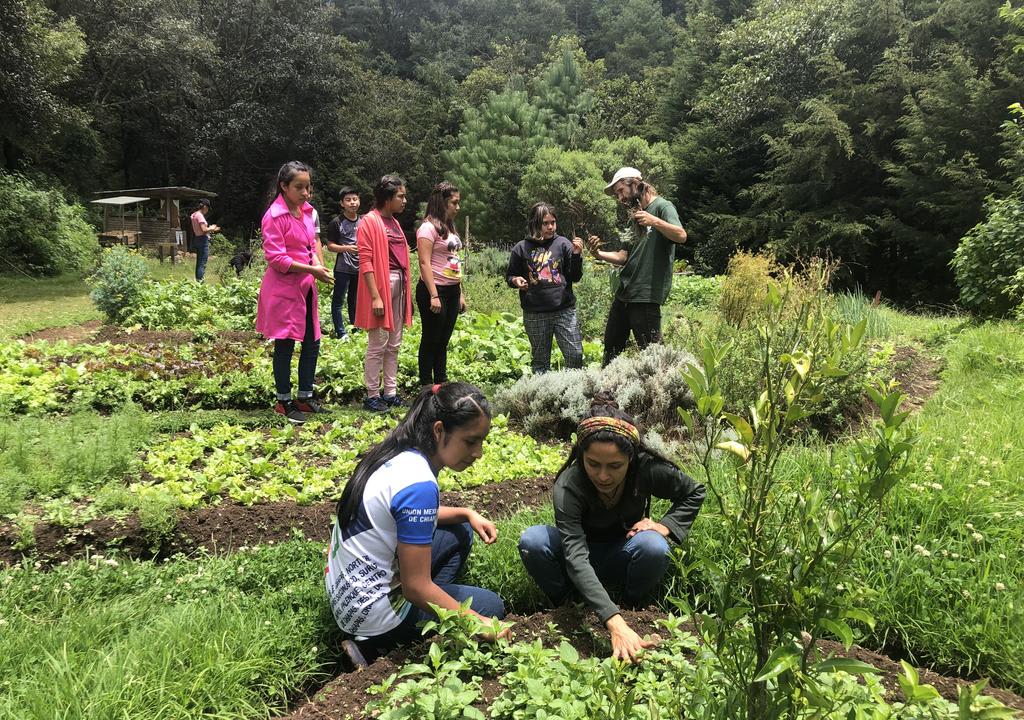
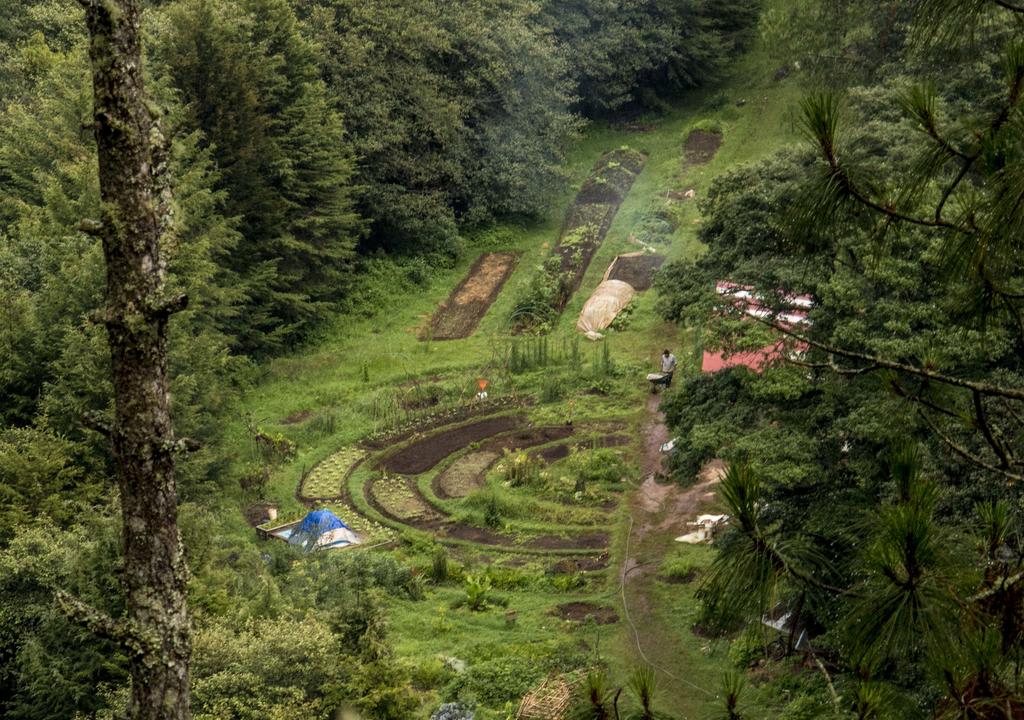
- Grow a diverse garden to ensure access to fresh produce.
- Preserve food through canning, drying, or fermenting.
- Supplement with vitamins if your diet is limited.
For inspiration on sustainable living and food production, you can read about sustainable off-grid lifestyles and how others manage their resources.
Communication and Emergency Planning
Even when living off the grid, staying connected can save lives. Consider these options:
- Keep a charged satellite phone or two-way radio for emergency contact.
- Share your location and plans with a trusted friend or neighbor.
- Establish evacuation routes and meeting points for your group.
- Post emergency numbers and procedures in a visible location.
Review and practice your emergency plan regularly. Make sure everyone knows how to use communication devices and understands what to do in various scenarios.
Maintaining Long-Term Health Off the Grid
Proactive health management is just as important as emergency response. Regular exercise, balanced nutrition, and mental well-being all contribute to resilience. Schedule routine checkups when possible and keep records of immunizations and medical history.
For more tips on thriving in remote environments, explore modern off-grid homesteading and how technology can support your lifestyle.
Frequently Asked Questions
What are the most important items for an off-grid medical kit?
Focus on wound care supplies, pain relievers, allergy medications, tools for splinting and immobilization, and any personal prescription drugs. Include a first aid manual for reference.
How can I learn the skills needed for medical emergencies?
Take a certified first aid and CPR course, ideally with a wilderness or remote focus. Practice regularly and involve your household in drills.
What should I do if I run out of prescription medication while off-grid?
Always keep an extra supply of essential medications and rotate them to avoid expiration. If you anticipate a long stay, consult your healthcare provider about extended prescriptions and discuss alternatives for emergencies.
Conclusion
Being ready for health emergencies in remote settings is a combination of preparation, knowledge, and adaptability. By assembling a thorough first aid kit, learning essential skills, and planning for both short-term and long-term health needs, you can handle most situations confidently. For more real-world experiences and advice, check out off-grid living success stories and see how others have navigated similar challenges.
Staying proactive with your off-grid medical preparedness ensures peace of mind and greater independence, no matter where your journey takes you.