
Living independently from public utilities requires a thoughtful approach to daily life. Establishing off-grid homestead routines is essential for making the most of your resources, time, and energy. Whether you’re new to self-sufficiency or looking to refine your processes, developing consistent habits can help you maintain productivity and reduce stress. This article explores practical strategies for optimizing your daily schedule, managing chores, and staying organized while living off the grid.
Many people find inspiration by learning from others who have already embraced this lifestyle. For more insight into how others have succeeded, you might enjoy reading these off-grid living success stories.
Structuring Your Day for Maximum Productivity
A well-planned daily schedule is the foundation of efficient off-grid living. Start by identifying essential tasks that must be completed every day, such as tending to animals, managing water supplies, and preparing meals. Assign time blocks for each activity, and try to stick to a routine that aligns with natural daylight hours to conserve energy.
- Morning: Begin with livestock care, checking water systems, and inspecting solar or wind power setups.
- Midday: Focus on gardening, food preservation, and maintenance projects.
- Afternoon: Complete household chores, process harvested produce, and prepare for the evening.
- Evening: Secure animals, store tools, and review the next day’s priorities.
Keeping a written planner or wall calendar can help track recurring tasks and seasonal changes. This approach minimizes forgotten chores and ensures nothing slips through the cracks.
Essential Chores and How to Streamline Them
Managing a homestead off the grid involves a variety of daily and weekly responsibilities. By developing efficient routines for each area, you can save time and energy.
Animal Care
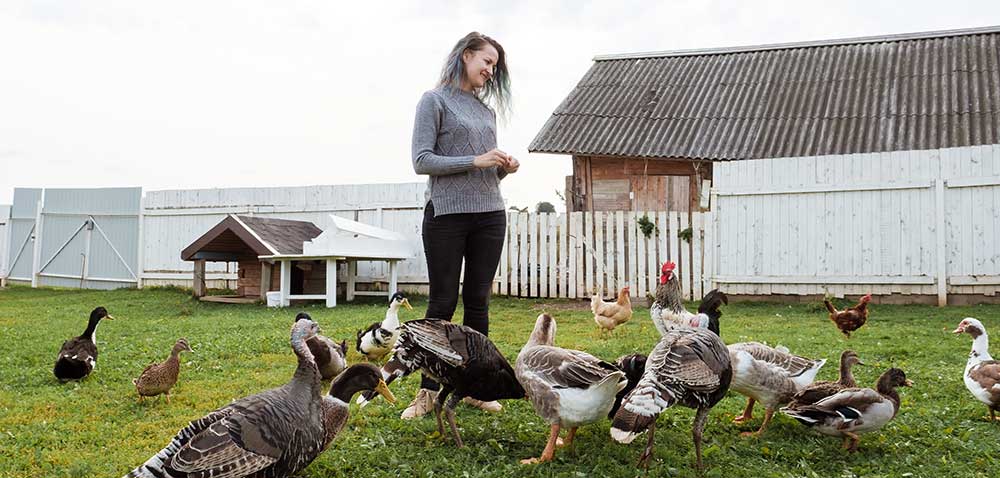
Routine is crucial for livestock health and productivity. Feed and water animals at the same times each day, and perform quick health checks during feeding. Automating certain tasks, like using gravity-fed waterers or solar-powered electric fences, can reduce manual labor.
Water Management
Water is a precious resource on any off-grid property. Check tanks, filters, and pumps every morning. Collect rainwater and monitor usage to avoid shortages. Consider setting up a rotation for water-intensive chores, such as laundry or garden irrigation, to balance demand throughout the week.
Food Production and Preservation
Gardening and food storage are central to self-sufficiency. Harvest produce in the cool hours of the day and process it promptly to prevent spoilage. Batch tasks like canning or dehydrating to make the most of your time and energy.
Energy and Resource Conservation Habits
Living off the grid means every watt and drop counts. Adopting smart routines for energy and resource management can make a significant difference in your comfort and sustainability.
- Use daylight hours for energy-intensive tasks, such as laundry or power tool use.
- Turn off appliances and lights when not in use.
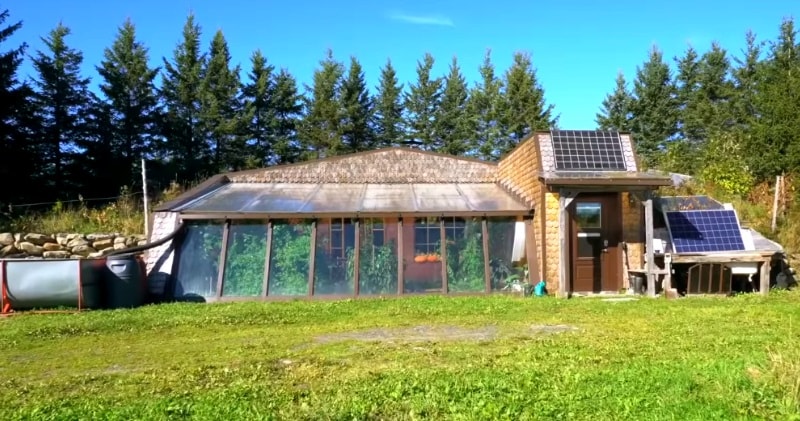
- Schedule regular maintenance for solar panels, batteries, and generators to avoid unexpected outages.
- Compost kitchen scraps and use greywater for irrigation where safe and legal.
For more tips on sustainable practices, check out these suggestions for green living off-grid.
Tools and Technology to Support Daily Routines
The right tools can streamline your workflow and reduce manual effort. Consider investing in durable hand tools, efficient cooking appliances, and reliable backup systems. Solar-powered gadgets, water-saving devices, and automated timers can all contribute to smoother operations.
If you’re just starting out, you may find this comprehensive beginner’s roadmap to starting a frugal off-grid homestead helpful for choosing the right equipment and setting up efficient systems.
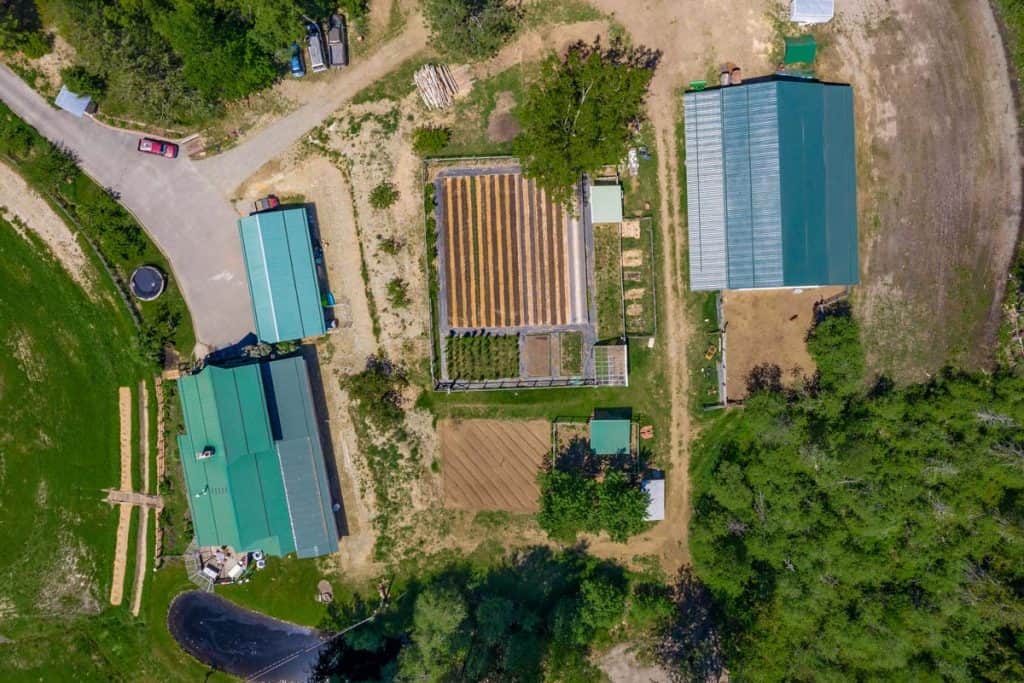
Staying Organized and Adapting to Seasonal Changes
Organization is key to maintaining efficiency. Keep tools in designated places, label storage containers, and regularly review your inventory of supplies. As seasons change, adjust your routines to account for weather, daylight, and shifting priorities. For example, winter may require more time spent on firewood and insulation, while summer focuses on gardening and preservation.
Continual learning and adaptation are part of the off-grid journey. Explore additional self-sufficient homestead ideas to further enhance your daily routines and independence.
Community, Learning, and Inspiration
Efficiency isn’t just about chores and checklists. Building connections with other homesteaders can provide valuable support, new ideas, and encouragement. Participate in local groups, online forums, or community events to share experiences and learn from others. Inspiration can also come from reading about successful homesteads and adopting proven strategies.
Remember, every property and family is unique. What works for one homestead may not fit another, so be open to experimentation and continuous improvement.
Frequently Asked Questions
What are the most important daily tasks for off-grid homesteaders?
Key daily tasks include animal care, water management, food preparation, and maintaining energy systems. Establishing a consistent routine for these activities ensures nothing is overlooked and helps maintain a smooth-running homestead.
How can I save time on chores while living off the grid?
Batch similar tasks, automate where possible (such as using automatic waterers or solar-powered devices), and keep tools organized. Planning ahead and sticking to a schedule can greatly reduce wasted time and effort.
What are some tips for managing energy use on an off-grid property?
Prioritize tasks that require electricity during peak solar hours, turn off unused appliances, and perform regular maintenance on your energy systems. Using energy-efficient appliances and LED lighting can also help conserve power.
Conclusion
Creating effective off-grid homestead routines is a process of observation, adaptation, and continuous improvement. By structuring your day, streamlining chores, conserving resources, and staying organized, you can enjoy a more productive and fulfilling off-grid lifestyle. For more practical advice and inspiration, explore resources on green living off-grid and connect with others who share your passion for self-reliance.