

When embarking on a sustainable building project, one term that frequently stands out is LEED certification. This prominent recognition from the U.S. Green Building Council not only champions energy efficiency but also fosters an environment of sustainable living. The journey toward acquiring this certification involves comprehending and assembling a comprehensive LEED certification materials list.
Understanding and utilizing this list not only propels the project’s success but ensures that every aspect contributes to a greener planet. For homeowners and real estate developers alike, understanding what goes into this list is crucial. So, what exactly constitutes a LEED certification materials list, and why is it vital for sustainable building?

The Building Blocks: What is the LEED Certification Materials List?
The LEED certification materials list is an invaluable resource. It details the materials that meet rigorous environmental standards, ensuring the construction or renovation project aligns with sustainability goals. These materials are pivotal in reducing the environmental impact while improving energy performance and indoor air quality.
Key Elements of the LEED Certification Materials List
The list includes various materials that fall under different categories. We will explore them to grasp the integral components required for a successful LEED certified building.
1. Sustainable Wood Products
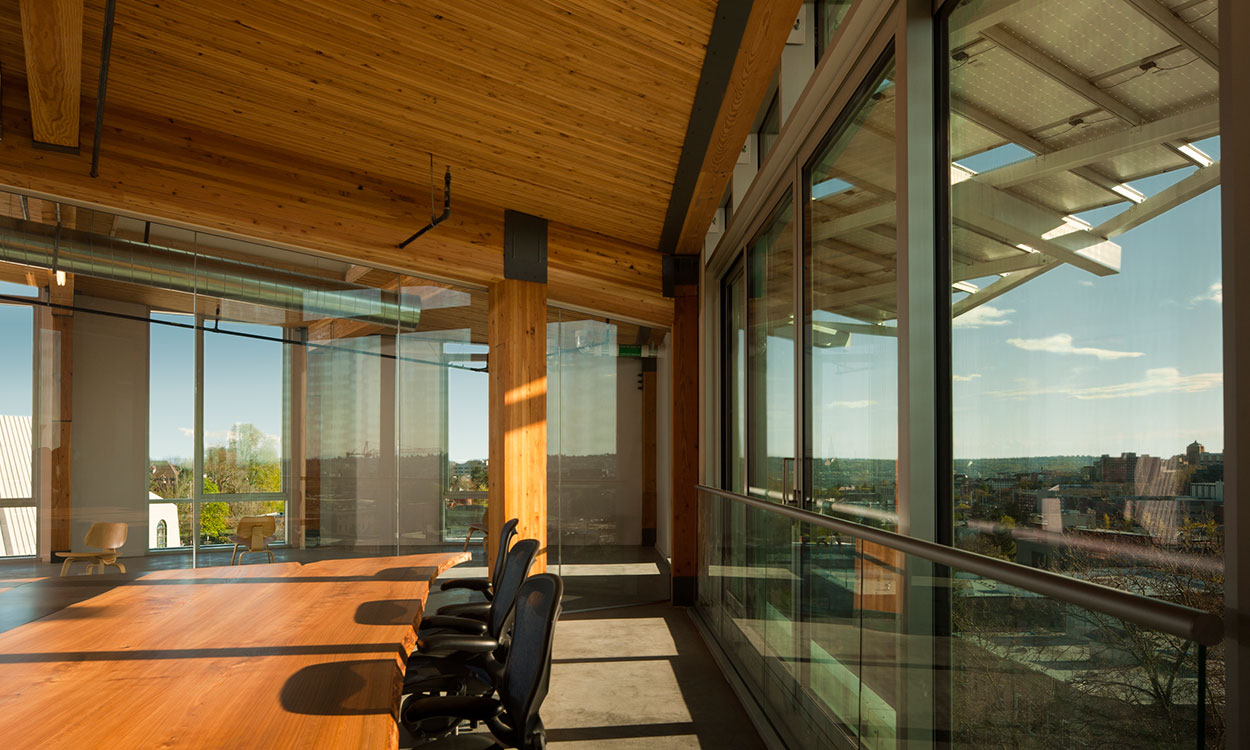
Wood products like lumber, flooring, and veneer play a crucial role in sustainable building projects. The use of sustainably harvested wood ensures that renewable forest resources are utilized. It’s vital to source materials that are certified by organizations focusing on forest stewardship, such as the FSC (Forest Stewardship Council).
2. Recycled Content Materials
Incorporating recycled content materials into construction not only conserves natural resources but also diverts waste from landfills. This includes products such as recycled steel, concrete with fly ash, and composites that incorporate recycled glass or plastic.
3. Regional Materials
Using materials manufactured and sourced locally drastically reduces transportation impacts and supports the local economy. It’s a key consideration that can significantly affect a project’s LEED rating. For detailed strategies on incorporating regional materials, explore LEED strategies.
4. Low-Emitting Materials
To ensure better indoor air quality, selecting low-emitting materials is vital. This involves choosing paints, adhesives, sealants, carpets, and composite wood products with low or no volatile organic compounds (VOCs), thus ensuring a healthier living and working environment.
Understanding LEED Categories and Their Impact
Understanding how the LEED rating system breaks down materials into categories can help developers and homeowners better plan their projects. The pertinent categories include:
1. Energy and Atmosphere
Focusing on optimizing energy performance and using renewable energy sources. The materials play an integral role in achieving energy efficiency.
2. Sustainable Sites
This category looks at protecting and restoring habitats, effectively using land, and managing rainwater. Understanding sustainable construction practices is key for successful certification.
3. Water Efficiency
Choosing materials that contribute to irrigation efficiency and water-conscious landscaping is essential. It’s significant for conserving natural water resources and achieving higher ratings under LEED guidelines.
The Role of Design in LEED Certification
Beyond materials, the design phase is where sustainable strategies come to life. Understanding sustainable building design is essential in implementing LEED frameworks in construction design to enhance sustainability, reflecting project-specific goals effectively.
Benefits of a Thoughtful LEED Certification Materials List
Creating an efficient and environmentally friendly project is only part of what LEED certification offers. The advantages extend far beyond certification.
1. Economic Benefits
LEED-certified buildings typically cost less to operate due to reduced energy demands, resulting in tangible savings. Additionally, certification enhances property value and can result in tax benefits.
2. Environmental Benefits
Sustainable building practices reduce a project’s environmental footprint, positively impacting biodiversity, air and water quality, waste reduction, and resource conservation.
3. Social Benefits
The social aspect shouldn’t be overlooked. LEED-certified buildings often offer improved occupants’ health, comfort, and performance due to enhanced indoor environments.
Diving Deeper into Material Choices
Choosing Sustainable Insulation
Sustainable insulation options such as cellulose, cotton, and wool offer superior thermal performance. Their environmental impact is reduced when compared to conventional fiberglass or foam insulations, thus aligning with LEED goals.
Eco-Friendly Flooring Options
Opt for bamboo, cork, or reclaimed wood flooring, all recognized for their renewable qualities and minimal environmental impact. It’s vital to ensure these materials are sourced responsibly.
FAQ Section
1. What are the prerequisites for LEED certification?
To qualify for LEED certification, projects must meet specific prerequisites, which include adhering to green building codes, achieving certain energy efficiencies, and implementing sustainable site strategies.
2. How much does LEED certification cost?
The cost varies significantly based on the project’s size and type. It encompasses registration fees, application fees, and any costs associated with hiring consultants for navigating the certification process.
3. Can residential buildings achieve LEED certification?
Yes, both residential and commercial structures can achieve LEED certification. Adapting design and construction methods to align with LEED requirements is essential for residential applications.
Conclusion
Understanding and applying the components of a LEED certification materials list is a fundamental step toward achieving a sustainable and efficient construction project. By adopting these strategies, homeowners and developers can make a significant impact, contributing positively to environmental conservation, social wellness, and economic savings. For more insights into sustainable building practices, visit the U.S. Green Building Council website.
This article contains affiliate links. We may earn a commission at no extra cost to you.


