Choosing the right palette is one of the most important steps in any kitchen renovation. The colors you select will set the tone for the entire space, influencing not just the mood but also how spacious, inviting, or modern your kitchen feels. With so many options available, finding kitchen remodeling color scheme ideas that create a harmonious and unified appearance can feel overwhelming. This article explores practical approaches to selecting colors, offers inspiration for different styles, and provides tips for achieving a balanced look that ties your kitchen together.
Whether you’re aiming for a bold transformation or a subtle refresh, understanding how to combine hues effectively will help you achieve a kitchen that feels both stylish and comfortable. Before diving into specific schemes, it’s helpful to consider how color interacts with lighting, cabinetry, countertops, and flooring. For those considering a more open layout, you might also find value in exploring open concept kitchen remodeling ideas to ensure your color choices flow seamlessly into adjoining spaces.

Understanding the Basics of Kitchen Color Coordination
Before selecting specific shades, it’s essential to understand the fundamentals of color coordination. The right combination can make a kitchen feel larger, brighter, or more welcoming. Here are a few guiding principles:
- Balance warm and cool tones: Mixing warm colors (like reds, oranges, and yellows) with cool ones (such as blues, greens, and grays) can create visual interest without overwhelming the senses.
- Stick to a three-color rule: Many designers recommend choosing a dominant color, a secondary color, and an accent. This approach keeps the space cohesive and prevents clashing.
- Consider fixed elements: Take into account existing features such as countertops, flooring, and appliances. These can guide your choices and help narrow down suitable palettes.
- Use undertones wisely: Even neutral shades have undertones that can affect how they pair with other colors. Pay attention to whether your whites are warm or cool, or if your grays have hints of blue or brown.
Popular Kitchen Remodeling Color Scheme Ideas
There’s no shortage of inspiration when it comes to updating your kitchen’s look. Here are some of the most popular and effective color schemes for a unified appearance:
Classic White and Gray Kitchens
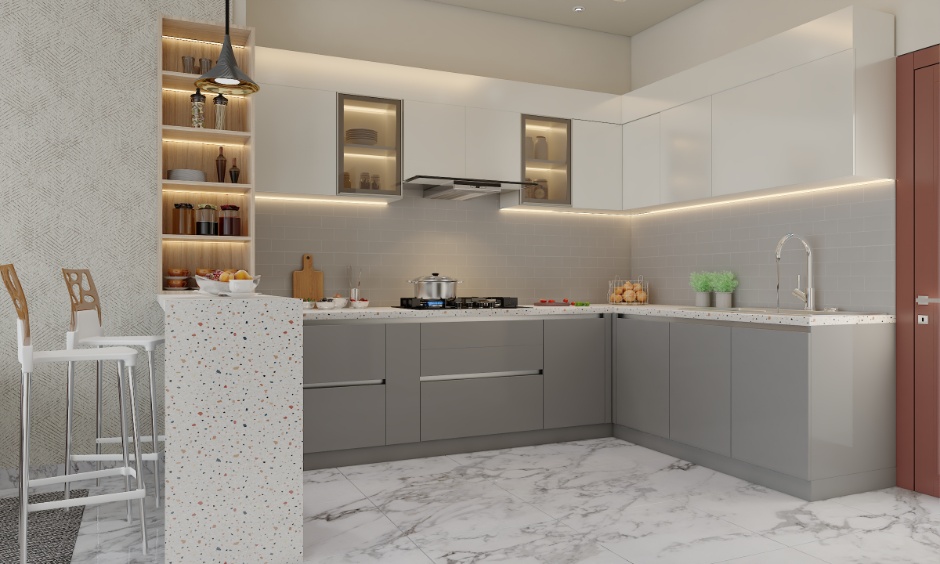
White and gray remain timeless choices for those seeking a clean, modern feel. White cabinetry paired with light gray walls or countertops creates a bright, airy environment. To prevent the space from feeling sterile, add warmth with wood accents or metallic hardware. This neutral palette also allows for flexibility if you want to introduce pops of color through accessories or seasonal décor.

Bold Contrasts: Navy, Black, and Gold
For those who want to make a statement, deep navy or black cabinetry combined with gold or brass hardware offers a dramatic yet sophisticated look. Pairing these darker shades with lighter countertops and backsplashes helps maintain balance and prevents the kitchen from feeling too enclosed. This approach works especially well in larger spaces or kitchens with ample natural light.
Earthy and Organic Color Palettes
Natural tones inspired by wood, stone, and greenery are increasingly popular in contemporary kitchen design. Think sage green cabinets, terracotta tiles, or sandy beige walls. These hues create a calming, grounded atmosphere and pair beautifully with open shelving, woven textures, and live plants. If you’re interested in cost-effective updates, you might also want to check out budget kitchen remodeling ideas for more inspiration.
Tips for Achieving a Harmonious Kitchen Look
Once you’ve chosen your preferred palette, there are several ways to ensure your kitchen feels unified and intentional:
- Repeat colors in different elements: Use your chosen shades across cabinets, walls, backsplashes, and even small appliances to create visual continuity.
- Layer textures and finishes: Mixing matte and glossy surfaces or incorporating natural materials can add depth and interest without introducing new colors.
- Pay attention to transitions: If your kitchen connects to other rooms, consider how your color scheme will flow into adjacent spaces. This is especially important in open-plan layouts.
- Test samples in your space: Paint and material samples can look very different under your kitchen’s lighting. Always test before committing to a full remodel.
Integrating Color with Fixtures and Lighting
Lighting plays a significant role in how colors appear in your kitchen. Under-cabinet lights, pendant fixtures, and recessed lighting can all impact the perception of your chosen hues. For example, warm lighting can enhance earthy tones, while cool lighting makes whites and grays appear crisper. When selecting fixtures, consider finishes that complement your palette, such as brushed nickel for cool schemes or brass for warmer looks.
If you’re planning a full renovation, it’s also wise to review a comprehensive kitchen remodeling planning checklist to ensure all aspects, including color, are addressed in your project timeline.
For more guidance on managing the process, you can consult a step-by-step kitchen remodeling guide that covers planning, budgeting, and execution.
Common Pitfalls to Avoid When Choosing Kitchen Colors
While exploring new color schemes can be exciting, there are a few common mistakes to watch out for:
- Ignoring undertones: Overlooking subtle undertones can result in clashing colors, even if they seem neutral at first glance.
- Overcomplicating the palette: Using too many colors can make the space feel chaotic. Stick to a few well-chosen shades for a more cohesive effect.
- Neglecting lighting: Failing to consider how natural and artificial light will affect your colors can lead to disappointing results.
- Forgetting about maintenance: Some colors, especially very light or dark shades, may show dirt, fingerprints, or wear more easily. Choose finishes that are easy to clean and maintain.
To avoid these issues, it’s helpful to review expert advice on kitchen remodeling mistakes to avoid before finalizing your plans.
FAQ
What are the best colors for a small kitchen?
Light colors such as whites, soft grays, and pale blues can make a small kitchen feel larger and brighter. Reflective surfaces and minimal contrasts help open up the space. If you want to add depth, consider using a slightly darker shade for the lower cabinets while keeping upper cabinets and walls light.
How do I choose a color scheme that matches my countertops?
Start by identifying the dominant tones in your countertops, whether they are warm (beige, brown, gold) or cool (gray, blue, white). Select complementary or analogous colors for cabinets and walls. Bring home samples and view them together in your kitchen’s lighting before making a decision.
Should I use bold colors in my kitchen?
Bold colors can add personality and drama, especially when used as accents on an island, backsplash, or lower cabinets. To maintain a cohesive look, balance bold hues with neutral shades and repeat the accent color in smaller details throughout the space.
How often should I update my kitchen color scheme?
There’s no set timeline, but many homeowners refresh their kitchen’s look every 7–10 years or when undertaking a major remodel. Trends change, but choosing timeless base colors with easily updated accents allows for flexibility without frequent overhauls.
Final Thoughts
Finding the right kitchen remodeling color scheme ideas is about more than just picking your favorite shades. It’s about creating a space that feels unified, functional, and welcoming for years to come. By understanding color theory, considering your kitchen’s unique features, and planning ahead, you can achieve a look that reflects your style and enhances your home’s value. For more insights on timelines and planning, consider reading about the average timeline for kitchen remodeling projects.