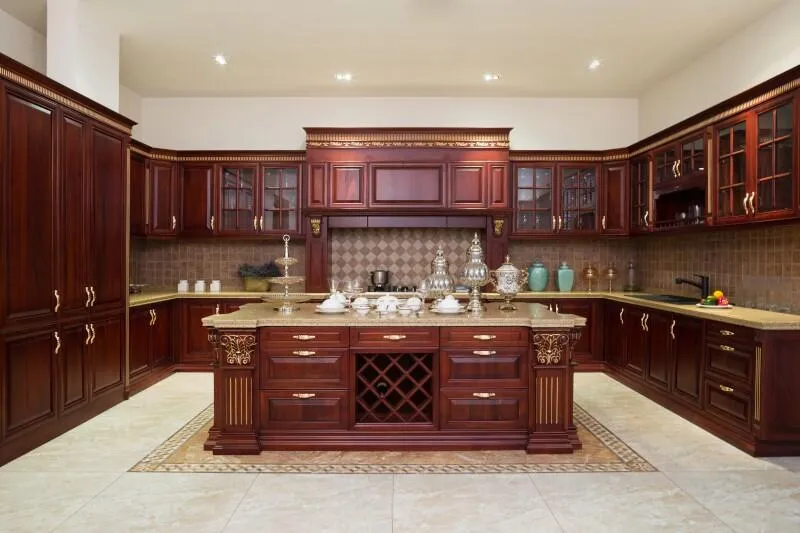
When embarking on the journey of constructing a new home, one of the essential considerations is the quality of water. Many homeowners and real estate developers are increasingly prioritizing installing water softeners in new builds to ensure a steady supply of soft water. This decision not only enhances the longevity of plumbing systems but also significantly improves the quality of life for occupants.
In this comprehensive guide, we will delve into the intricacies of installing water softeners in new constructions. Whether you are a homeowner eager to ensure high-quality water from day one, or a developer looking to add value to your projects, understanding this process is crucial.
Why Consider a Water Softener?
Hard water, characterized by high mineral content, can pose numerous challenges. It leads to the buildup of scale in pipes, reduces the efficiency of water heaters, and can cause wear and tear on appliances. Moreover, hard water can leave residue on skin and hair, making it less than ideal for personal care.
By installing a water softener, these issues can be effectively mitigated. Soft water not only extends the lifespan of household appliances but also ensures that skin and hair feel softer and cleaner. For those building a new home, it represents a proactive step towards ensuring a comfortable and efficient living environment.
Planning the Installation
Proper planning is key to the successful installation of a water softener in a new build. This process should ideally begin during the design phase of the construction. By integrating the water softener system into the initial plumbing plans, you can ensure a seamless installation process.
Consider consulting with plumbing experts like those at Bruce Massey Construction. Their expertise can help you determine the ideal location for the water softener, ensuring easy access for maintenance while maximizing efficiency.
Selecting the Right Water Softener
The market is replete with various types of water softeners, each suited to different needs and preferences. When choosing a system for your new build, consider factors such as the hardness of your water, household size, and budget. Popular options include salt-based ion exchange softeners, salt-free conditioners, and dual-tank systems.
Ion exchange softeners are widely recognized for their effectiveness in removing hardness minerals. On the other hand, salt-free systems, although less effective in certain scenarios, require less maintenance and do not add sodium to the water. Dual-tank systems are ideal for larger households, as they ensure a continuous supply of soft water.
Installation Process
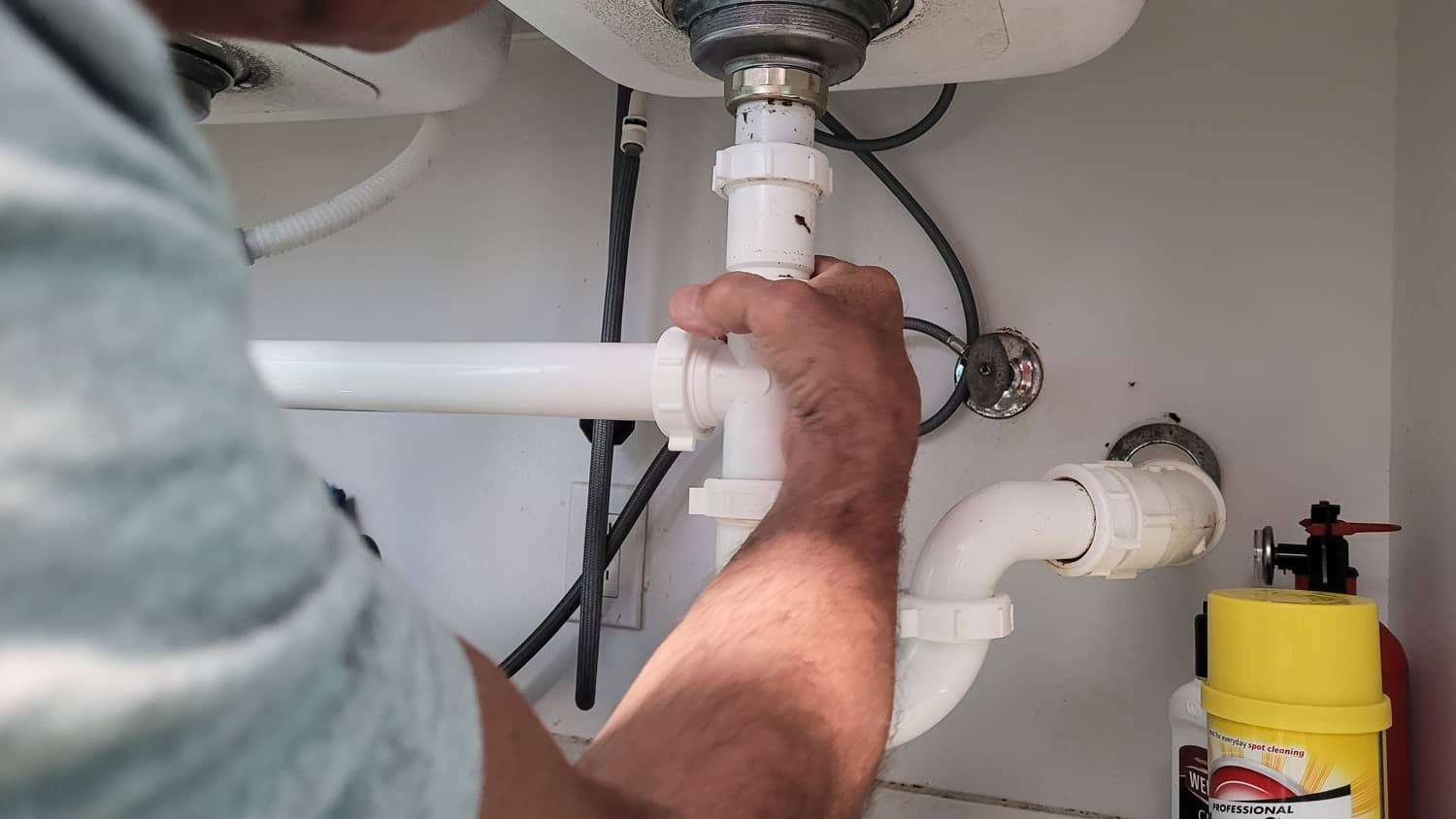
Once the appropriate system has been selected, the next step is the actual installation. This involves connecting the water softener to the main water line, typically near the point where water enters the home. It is advisable to work with professional plumbers to ensure the installation is carried out correctly and efficiently.
For those interested in a DIY approach, resources such as DIY Plumbing for New Construction can provide valuable guidance. However, it is crucial to have a thorough understanding of plumbing systems and the specific water softener model to avoid potential pitfalls.
Maintenance and Care
Regular maintenance is vital to ensure the longevity and effectiveness of your water softener. This includes replenishing the salt supply for ion exchange systems and periodically cleaning the unit. By following a consistent maintenance routine, you can prevent issues such as salt bridging and ensure the system operates at optimal efficiency.
For additional tips on maintaining plumbing systems in new homes, consider reviewing resources like 8 Useful Plumbing Maintenance Tips. These insights can help you keep your water softener and overall plumbing system in top shape.
Benefits of Soft Water
The benefits of soft water extend beyond mere convenience. For one, it can lead to significant savings on energy bills. Soft water heats more efficiently, reducing the workload on water heaters. Additionally, it minimizes the need for excessive soap and detergent, contributing to cost savings in household cleaning products.
Moreover, soft water is kinder to the environment. By reducing the reliance on chemical-laden cleaning agents and prolonging the lifespan of appliances, homeowners can enjoy a more sustainable lifestyle.
FAQs
1. Is a water softener necessary for all new builds?
While not strictly necessary, a water softener is highly recommended for areas with hard water. It can significantly improve water quality and extend the life of plumbing systems.
2. Can I install a water softener myself?
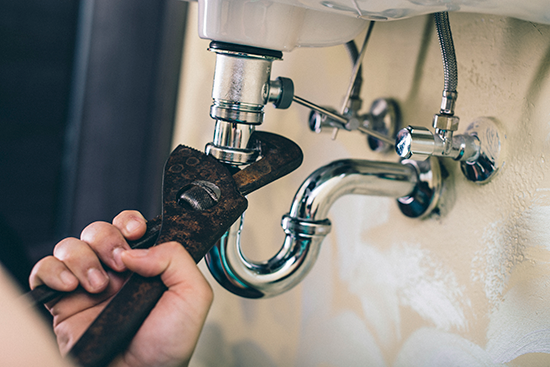
Yes, it is possible to install a water softener yourself, especially if you have plumbing experience. However, professional installation is advised to ensure optimal performance and avoid potential issues.
3. How often should a water softener be serviced?
Regular maintenance, including salt replenishment and system cleaning, is recommended every 3-6 months. This frequency can vary based on water usage and the specific type of water softener.
In conclusion, installing a water softener in a new build is a worthwhile investment. It not only enhances the quality of water but also supports the overall efficiency and sustainability of your home. By planning carefully and selecting the right system, you can enjoy the benefits of soft water from the very first day in your new home.
This article contains affiliate links. We may earn a commission at no extra cost to you.