
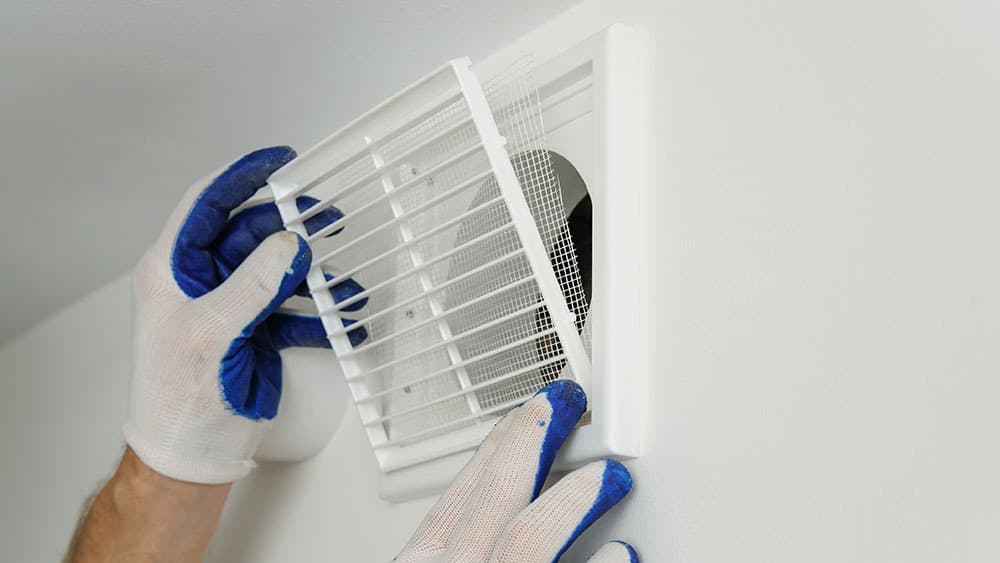

Understanding the HVAC and ventilation relationship is essential for anyone interested in indoor air quality, energy efficiency, and overall comfort in homes or commercial buildings. While HVAC systems are commonly associated with heating and cooling, ventilation is a critical component that often receives less attention. The way these two systems interact has a direct impact on the health, safety, and comfort of occupants.
Homeowners and building managers who want to optimize their indoor environments should recognize how air movement, filtration, and temperature control work together. This article explores the interplay between HVAC and ventilation, highlighting why both elements are vital for a well-functioning indoor climate system. For those planning renovations, such as kitchens, considering kitchen remodeling visual balance tips can also help integrate effective air management into design.
Defining HVAC and Ventilation: Key Concepts
To appreciate the connection between these systems, it helps to define each one. HVAC stands for Heating, Ventilation, and Air Conditioning. It is a broad term that covers the technology used to regulate indoor temperature, humidity, and air purity. Ventilation, on the other hand, specifically refers to the process of exchanging indoor air with outdoor air to remove contaminants, moisture, and odors.
While HVAC systems often include ventilation as a built-in feature, not all ventilation is part of an HVAC system. For example, opening a window is a form of natural ventilation, whereas a mechanical system that brings in fresh air and exhausts stale air is considered mechanical ventilation. Both natural and mechanical methods play a role in maintaining a healthy indoor environment.
How Airflow and Ventilation Support HVAC Performance
The relationship between HVAC and ventilation is rooted in the way air is moved, filtered, and conditioned. Proper ventilation ensures that the air inside a building does not become stagnant or overloaded with pollutants. This, in turn, supports the HVAC system by reducing the load on air filters and improving the efficiency of heating and cooling equipment.
When ventilation is inadequate, HVAC systems may struggle to keep up with demand, leading to uneven temperatures, higher energy bills, and potential health issues. On the other hand, well-designed ventilation can help distribute conditioned air more evenly, remove excess humidity, and maintain a consistent indoor climate.
Types of Ventilation in Modern Buildings
There are several approaches to ventilation, each with its own benefits and limitations. Understanding these options can help homeowners and facility managers choose the right solution for their needs.
- Natural Ventilation: Utilizes windows, doors, and vents to allow outdoor air to flow inside. This method is energy-efficient but can be inconsistent, especially in extreme weather.
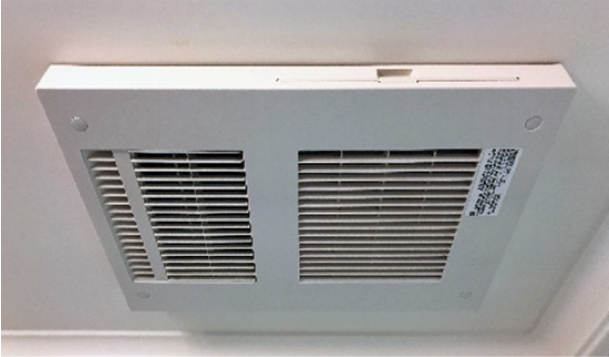
- Mechanical Ventilation: Uses fans and ductwork to control air exchange. Examples include exhaust fans in bathrooms and kitchens, as well as whole-house ventilation systems.
- Balanced Ventilation: Combines intake and exhaust fans to maintain equal air pressure, improving both air quality and energy efficiency.
- Heat Recovery Ventilators (HRVs) and Energy Recovery Ventilators (ERVs): These advanced systems recover heat or energy from outgoing air, reducing the load on heating and cooling equipment.
Each of these methods can be integrated with HVAC systems to optimize performance and comfort. For more details on how different systems work, the HomeTips guide to house ventilation systems offers a comprehensive overview.
Why Proper Ventilation Matters for Indoor Air Quality
One of the main reasons to prioritize the HVAC and ventilation relationship is to protect indoor air quality. Without adequate ventilation, pollutants such as dust, allergens, volatile organic compounds (VOCs), and moisture can accumulate. This can lead to respiratory problems, mold growth, and unpleasant odors.
HVAC systems equipped with high-quality filters and well-designed ductwork can help remove many airborne contaminants. However, without fresh air exchange, even the best filtration systems can become overwhelmed. Integrating ventilation ensures that stale air is regularly replaced, reducing the risk of health issues and improving overall comfort.
Energy Efficiency and Cost Savings Through Integrated Systems
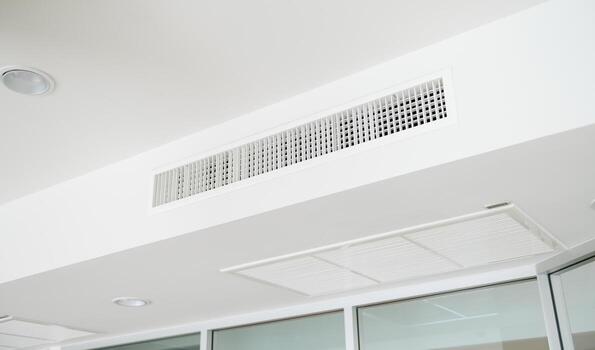
Another important aspect of the HVAC and ventilation relationship is energy efficiency. When ventilation is properly balanced with heating and cooling, it reduces the workload on HVAC equipment. This can translate into lower utility bills and longer system lifespan.
For example, using a heat recovery ventilator allows a building to bring in fresh air without losing the heat or coolness already generated by the HVAC system. This approach is especially valuable in climates with extreme temperatures, where energy loss can be significant.
Regular maintenance, such as changing filters and cleaning ducts, also plays a role in keeping both systems running efficiently. When planning upgrades or renovations, integrating ventilation considerations early on can prevent costly retrofits and ensure optimal performance.
Design Considerations for New and Existing Buildings
Whether constructing a new building or upgrading an existing space, it is important to consider how ventilation and HVAC will work together. Factors such as building size, occupancy, climate, and intended use all influence the best approach.
- New Construction: Modern building codes often require mechanical ventilation systems to ensure adequate air exchange. Integrating these systems with HVAC from the start allows for better energy management and indoor air quality.
- Retrofits: Older buildings may lack sufficient ventilation or have outdated HVAC systems. Upgrading to include balanced ventilation or energy recovery units can dramatically improve comfort and efficiency.
- Room-Specific Solutions: Spaces like kitchens and bathrooms benefit from dedicated exhaust fans, while living areas may require whole-house ventilation for consistent air quality.
For those considering kitchen upgrades, integrating air management strategies with design can enhance both function and aesthetics. Resources like kitchen remodeling hardware style guide offer practical advice for harmonizing ventilation with cabinetry and appliances.
Common Challenges and Solutions
Despite the benefits, achieving the right balance between HVAC and ventilation can be challenging. Common issues include:
- Negative Pressure: Too much exhaust without adequate intake can cause drafts, backdrafting of combustion appliances, or draw in outdoor pollutants.
- Humidity Control: Insufficient ventilation can lead to excess moisture, while too much can dry out indoor air. Using balanced systems helps maintain optimal humidity levels.
- Noise: Mechanical ventilation systems can add noise to living spaces. Choosing quiet, efficient fans and proper installation minimizes this issue.
Addressing these challenges involves careful planning, regular maintenance, and sometimes professional consultation. The right combination of HVAC and ventilation solutions can provide a comfortable, healthy, and energy-efficient indoor environment.
Frequently Asked Questions
How does ventilation impact the effectiveness of HVAC systems?
Ventilation directly affects how well HVAC systems can maintain indoor comfort and air quality. Proper air exchange removes contaminants and balances humidity, reducing the strain on heating and cooling equipment and improving overall system efficiency.
Can I add mechanical ventilation to an existing HVAC system?
Yes, mechanical ventilation can often be added to existing systems. Options include installing exhaust fans, whole-house ventilators, or energy recovery units. Consulting with a qualified HVAC professional ensures compatibility and optimal performance.
What are the signs of poor ventilation in a building?
Common indicators include persistent odors, visible mold, condensation on windows, uneven temperatures, and increased allergy symptoms among occupants. Addressing these issues with improved ventilation can enhance comfort and health.


