
Proper airflow is essential for maintaining a healthy and comfortable indoor environment. The way windows are designed, placed, and operated has a significant impact on the movement of air throughout a house. Understanding how windows affect ventilation can help homeowners make informed decisions about improving air quality, reducing moisture, and managing indoor temperatures. This article explores the science behind window-driven airflow, practical strategies for maximizing natural ventilation, and the role of windows in supporting mechanical systems.
Whether you’re building a new home or looking to enhance the comfort of your current space, learning about the influence of windows on air movement is a smart step. For those interested in optimizing airflow in specific areas, such as bathrooms or garages, resources like bathroom ventilation fundamentals and garage ventilation basics offer targeted advice.
Understanding the Role of Windows in Airflow
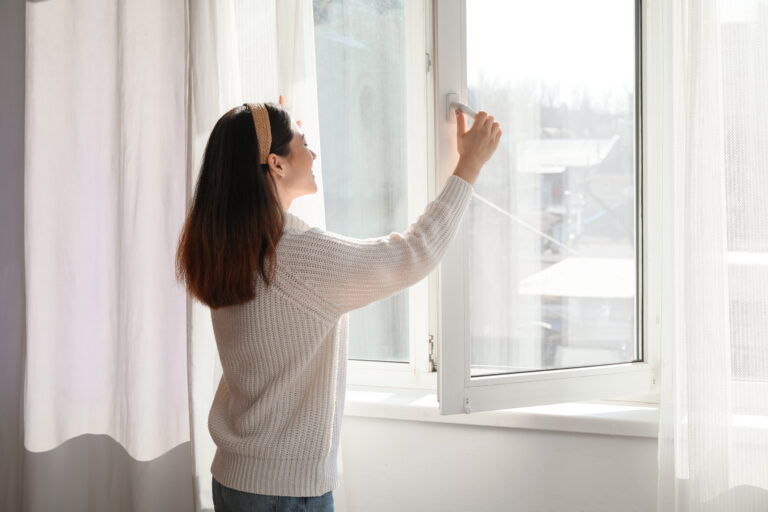
The placement, size, and type of windows directly influence how air enters and exits a home. When windows are opened, they create pathways for fresh air to flow in and stale air to escape. This process, known as natural ventilation, relies on pressure differences caused by wind and temperature variations. The effectiveness of this process depends on several factors, including window orientation, the presence of obstructions, and the overall layout of the building.
Strategic window placement can promote cross-ventilation, where air moves from one side of the house to the other, flushing out pollutants and excess moisture. In contrast, poorly positioned or undersized windows may limit airflow, leading to stuffy rooms and potential issues with condensation or mold.
Types of Windows and Their Impact on Ventilation
Not all windows function the same way when it comes to air movement. Here’s how different styles influence ventilation:
- Casement Windows: These windows hinge at the side and open outward, catching breezes and directing air into the room. They are highly effective for natural ventilation, especially when placed on opposite walls.
- Sliding Windows: While easy to operate, sliding windows typically open only halfway, limiting the amount of air that can pass through.
- Awning and Hopper Windows: Hinged at the top or bottom, these windows can be left open during light rain, allowing for continuous airflow without letting water in.
- Double-Hung Windows: Both sashes can move, enabling warm air to escape from the top while cooler air enters from below, promoting circulation.
- Fixed Windows: These do not open and therefore do not contribute to ventilation, but they can be paired with operable windows for balanced design and airflow.
Window Placement Strategies for Better Air Circulation
Optimizing the location of windows is key to enhancing the movement of air indoors. Here are some practical guidelines:
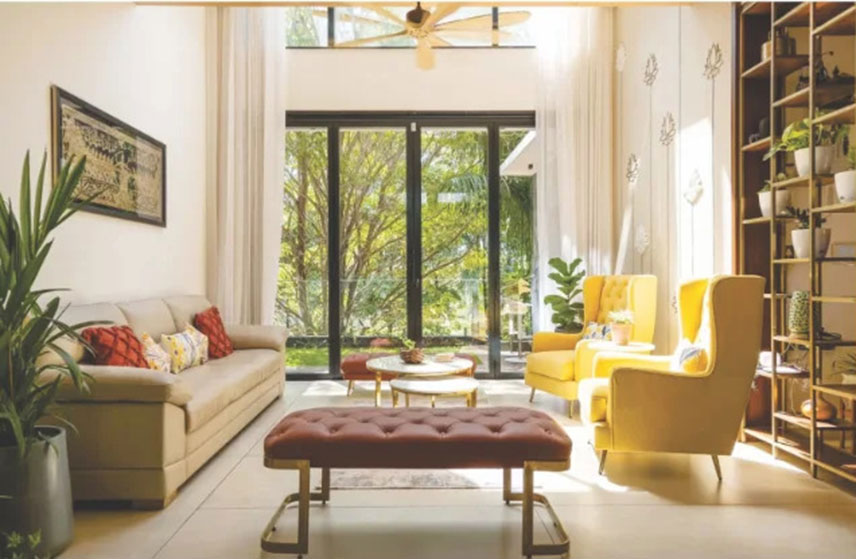
- Opposing Walls: Placing operable windows on opposite sides of a room or building encourages cross-ventilation, allowing air to flow straight through.
- Height Differences: Installing windows at different heights (such as a low window and a high transom) can take advantage of the natural rise of warm air, drawing fresh air in and pushing stale air out.
- Wind Direction: Consider prevailing wind patterns in your area. Positioning windows to face these winds maximizes the amount of fresh air entering your home.
- Room Function: Prioritize ventilation in moisture-prone spaces like kitchens and bathrooms. For more on this, see kitchen ventilation explained and proper placement of exhaust fans.
In multi-story homes, stack effect can be harnessed by placing windows or vents at both low and high points, encouraging vertical airflow and helping to regulate temperature.
Balancing Natural and Mechanical Ventilation
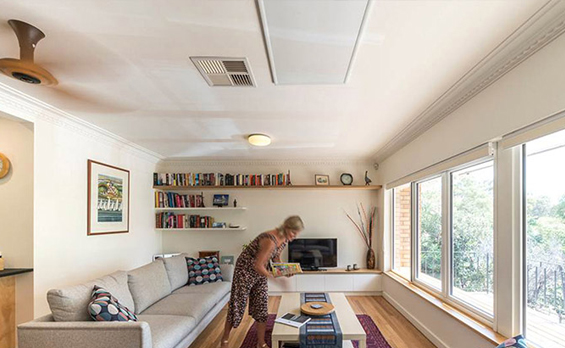
While windows provide an effective means of introducing fresh air, they may not always be sufficient—especially in tightly sealed, energy-efficient homes. In these cases, mechanical systems such as exhaust fans, whole house fans, or air filtration kits can supplement natural airflow. Combining operable windows with mechanical solutions ensures consistent air exchange, even when outdoor conditions are unfavorable.
For a deeper dive into these systems, the whole house ventilation systems explained guide provides an overview of different options and their benefits.
Common Challenges and Solutions in Window Ventilation
Even with well-placed windows, certain obstacles can hinder effective air movement. Some common issues include:
- Obstructed Openings: Furniture, curtains, or exterior landscaping can block airflow. Keep window areas clear to maximize their effectiveness.
- Security Concerns: Opening windows at night or when away can pose risks. Consider window locks or security screens to allow safe ventilation.
- Allergens and Pollution: In areas with high pollen or outdoor pollution, using air filtration kits alongside open windows can help maintain indoor air quality.
- Weather Limitations: Rain, extreme heat, or cold may make it impractical to keep windows open. In these cases, mechanical ventilation becomes even more important.
For homes with crawl spaces or basements, following crawl space ventilation best practices can further support a healthy indoor environment.
Best Practices for Enhancing Airflow Through Windows
- Open windows on opposite sides of the home to create a cross-breeze.
- Use fans to boost air movement when natural breezes are weak.
- Install adjustable window hardware to control the size of the opening based on weather and comfort.
- Regularly clean window screens and tracks to prevent dust buildup and ensure smooth operation.
- Combine window ventilation with exhaust fans in high-moisture areas to reduce condensation and odors.
Frequently Asked Questions
How do windows contribute to natural ventilation?
Operable windows allow fresh air to enter and stale air to exit, using pressure differences created by wind and temperature. By strategically opening windows, you can promote cross-ventilation and improve indoor air quality.
Can window placement solve humidity problems in the home?
Properly placed windows can help reduce humidity by allowing moist air to escape, especially when paired with exhaust fans in kitchens and bathrooms. However, in very humid climates or tightly sealed homes, additional mechanical ventilation may be necessary.
What if outdoor air quality is poor—should I still open my windows?
If outdoor air contains high levels of pollutants or allergens, limit window openings during those times and use air filtration systems to maintain indoor air quality. Monitor local air quality reports to decide when it’s safe to ventilate naturally.
Are there alternatives to window ventilation for rooms without windows?
Yes, mechanical options like ceiling exhaust fans or whole house fans can provide necessary air exchange in windowless spaces. For more information, see resources on proper placement of exhaust fans.