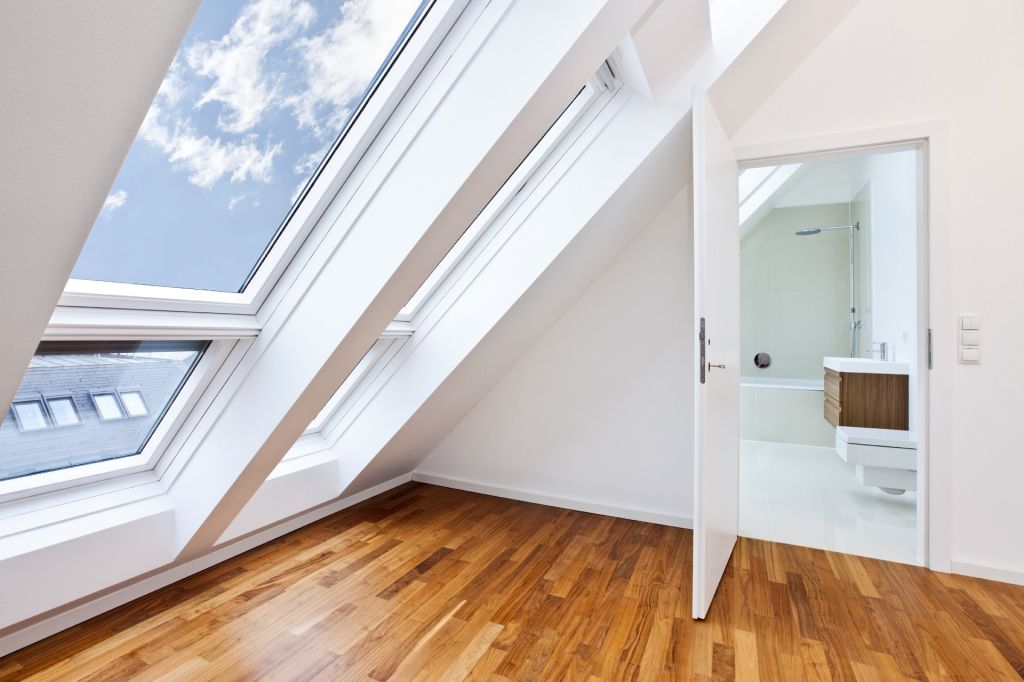
How to tile a bathroom shower? If you’re here, it means you’re ready to take on a rewarding DIY project that can tremendously enhance the value and appearance of your home. Whether you’re a homeowner looking to elevate your bathroom aesthetics or a real estate developer aiming to create top-notch model homes, tiling a bathroom shower is a skillful endeavor that pays off substantially.
Preparation and Planning
Understanding the Basics
Before you start tiling, its important to understand the basics. From selecting the right materials to following best practices, proper preparation paves the way for high-quality results. Understanding the materials you’ll be using, such as ceramic tiles, porcelain tiles, or natural stones, is essential. Each type has its pros and cons, and your choice depends on factors like budget, style, and durability.

Gathering Necessary Tools
The first step in how to tile a bathroom shower is making sure you have the right tools. These include tile spacers, a tile cutter, a grout float, a level, and masking tape, among others. Having these tools on hand ensures you can tackle any challenge that may arise during the project.
Step-by-Step Guide
Step 1: Measuring and Preparing the Surface
To begin, measure the shower area accurately. This ensures you purchase enough tiles and minimizes wastage. Clean the surface thoroughly to remove any dirt or old adhesives, as a clean base is critical for the tiles to stick properly.
Step 2: Creating a Layout
Before applying any adhesive, layout your tiles on the floor as a trial run. This allows you to see how they fit and make any necessary adjustments. Symmetry and consistency are key during this phase.
Step 3: Applying Adhesive
Using a notch trowel, apply the adhesive to the shower wall. Work in small sections to prevent the adhesive from drying out before you have placed the tiles. Ensure the adhesive is spread evenly.
Step 4: Setting the Tiles
Start by placing the first tile at the bottom center of the wall, pressing it firmly into the adhesive. Use tile spacers to maintain even spacing between the tiles. Continue this process, moving horizontally and vertically, until the entire wall is tiled.
Dealing with Corners and Edges
Use a tile cutter for edge tiles, ensuring they fit snugly into corners and against the ceiling. This might require precise cutting, so measure twice and cut once.
Step 5: Grouting the Tiles
After the adhesive has set (typically 24 hours), its time to grout. Mix the grout according to the manufacturer’s instructions and apply it using a grout float. Make sure to press the grout into all the joints to avoid gaps.
Step 6: Cleaning Up
Once the grout has partially set, use a damp sponge to wipe off any excess. Be gentle to avoid removing grout from the joints. A second wipe with a damp cloth may be necessary once the grout is fully dry.
Special Considerations
Preventing Mold and Mildew
Mold and mildew can be major issues in showers. To prevent this, use mold-resistant adhesive and grout. Also, ensure the shower area is well-ventilated during and after the project.
Choosing the Right Tile Design
Your choice of tile design can make a tremendous difference in how your bathroom looks. Whether you prefer a contemporary, rustic, or traditional look, there are tile designs to match every style. Consider visiting [Family Handyman](https://www.familyhandyman.com/list/13-tile-tips-for-a-better-bathroom/) for some terrific ideas on tile designs and patterns.
Common Pitfalls to Avoid
Uneven Surfaces
An uneven surface can ruin an otherwise well-done tiling job. Always double-check that your base is flat and smooth before applying any tiles.
Improper Adhesive Application
Improper application of adhesive can lead to tiles coming loose over time. Always follow the manufacturer’s guidelines for how to apply and how much to use.
Skipping Sealant
Skipping a sealant can lead to water damage. Once the tiles are in place and the grout is dry, apply a waterproof sealant to protect your hard work.
Maintenance and Care
Regular Cleaning Tips
Regular cleaning prevents mold and mildew growth. Use a mixture of water and vinegar or specialized tile cleaners to keep your tiles sparkling.
Long-term Care
Inspect the grout lines periodically and reapply grout if you notice cracks or gaps. This prevents water from seeping behind the tiles, which can cause damage over time.
FAQs
Q: How long does it take to tile a bathroom shower?
A: Completing a tiling job can take anywhere from 2 to 4 days, depending on the size of the shower and your skill level.
Q: Can I tile over existing tiles?
A: While its possible, its not advisable. Tiling over existing tiles can cause adhesion issues, leading to potential future problems.
Q: What if I make a mistake?
A: Mistakes happen, even to professionals. If a tile is placed incorrectly, its best to remove it immediately and start over rather than try to adjust it later.
For more advice on bathroom projects, check out our articles on how to remove a faucet and how to clean a faucet. You might also enjoy learning about different bathroom tile tips for additional inspiration.
As an Amazon Associate, I earn from qualifying purchases.