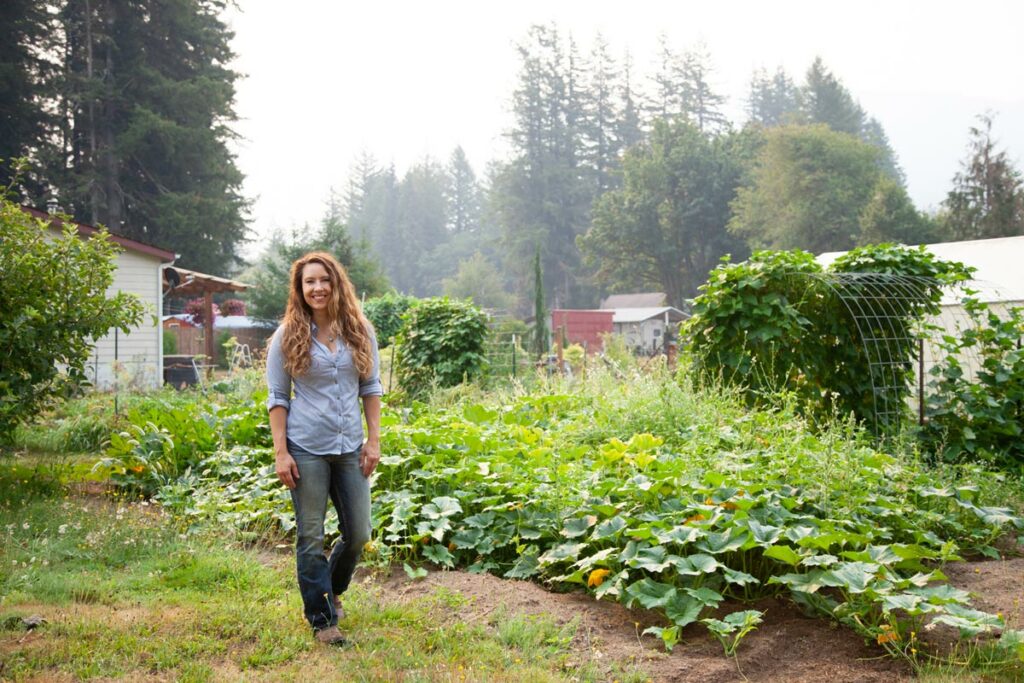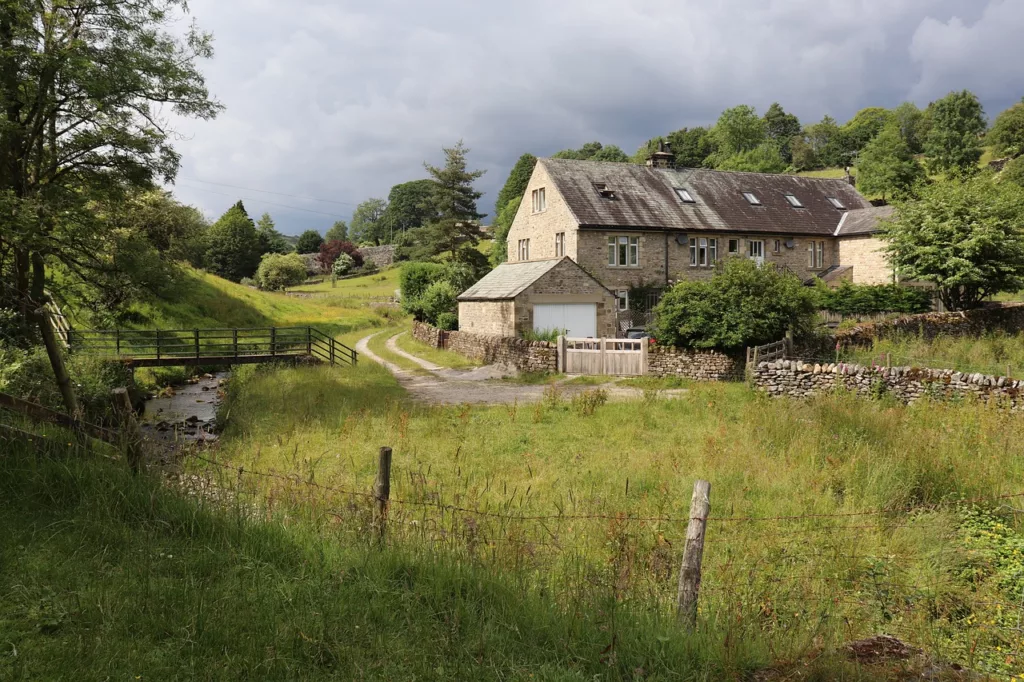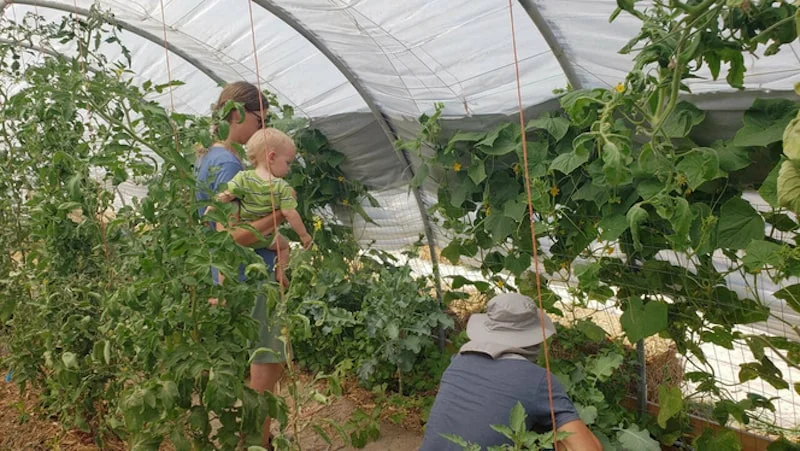

Planning a self-sufficient lifestyle away from city infrastructure requires careful consideration of space. Many people wonder how much land needed for off-grid homestead living is truly necessary. The answer depends on your goals, family size, climate, and the level of independence you want to achieve. Whether you dream of growing your own food, raising livestock, or simply enjoying privacy and nature, understanding your land requirements is the first step toward a successful off-grid journey.
Before diving into acreage numbers, it’s important to understand the factors that influence land needs. These include water access, soil quality, zoning laws, and your intended activities. For those interested in the legal aspects, you can find more details in can you live off-grid legally, which covers regulations and restrictions that may affect your plans.
Key Factors That Determine Land Requirements
The amount of land you need for a self-sufficient homestead is influenced by several key factors. Let’s break down the most important considerations:
- Family or Group Size: The number of people you plan to support directly affects your space requirements. A single person or couple may need far less land than a large family.
- Food Production Goals: If you want to grow all your own vegetables, fruits, and grains, you’ll need more space than if you only plan to supplement your diet.
- Livestock: Raising animals such as chickens, goats, or cows requires additional pasture and shelter space. Each species has specific land needs.
- Water Access: Reliable water sources are essential. Land with a well, spring, or year-round creek is highly valuable for off-grid living.
- Climate and Soil: Fertile soil and a favorable climate can reduce the acreage needed for gardens and livestock.
- Energy Systems: If you plan to use solar panels or wind turbines, you’ll need open space with good sun or wind exposure.
- Legal Restrictions: Local zoning laws and building codes can limit what you can do on your property. Research these before purchasing land.
For a deeper dive into modern energy solutions and automation, check out off-grid homestead automation for tips on optimizing your setup.
Minimum Acreage for Basic Off-Grid Living
Many aspiring homesteaders ask about the smallest possible parcel that supports a sustainable lifestyle. While there is no universal answer, most experts agree that how much land needed for off-grid homestead living depends on your ambitions:
- 1/4 to 1 Acre: Suitable for a tiny home, small garden, and a few chickens. This size is ideal for those who want to dip their toes into self-sufficiency or live simply with limited food production.
- 1–5 Acres: Provides enough space for a modest house, larger gardens, fruit trees, and small livestock like goats or pigs. This is a common choice for couples or small families.
- 5–20 Acres: Allows for multiple gardens, orchards, larger livestock, and more privacy. This range supports a higher degree of independence and resource diversity.
- 20+ Acres: Offers room for rotational grazing, timber, ponds, and even small-scale crop production. This size is best for those who want to be as self-reliant as possible and perhaps generate income from their land.
Remember, more land means more maintenance. It’s wise to start with what you can realistically manage and expand as your skills and needs grow.
How to Calculate Your Land Needs for Self-Sufficiency
To estimate the right acreage for your off-grid lifestyle, start by listing your must-haves. Consider the following steps:
- Define Your Priorities: Decide if your main focus is food production, livestock, privacy, or recreation.
- Estimate Garden Space: A productive vegetable garden for a family of four typically requires 4,000–8,000 square feet (about 0.1–0.2 acres).
- Factor in Livestock: Chickens need about 2–4 square feet per bird in a coop and 8–10 square feet in a run. Goats require at least 200 square feet each, while a single cow may need 1–2 acres of pasture.
- Plan for Water and Waste: Allow space for a well, rainwater catchment, septic system, and composting area.
- Consider Expansion: Leave room for future projects like orchards, greenhouses, or additional housing.
For more on preparing for emergencies and ensuring your setup is resilient, see the disaster preparedness off-grid guide.
Land Use Examples for Different Homestead Setups
Here are a few sample layouts to illustrate how various acreages can be utilized:
| Land Size | Possible Uses |
|---|---|
| 1 Acre | Tiny home, garden, small chicken flock, rainwater system |
| 5 Acres | Family home, large garden, orchard, goats or pigs, solar panels |
| 10 Acres | House, gardens, orchard, chickens, goats, small pond, woodlot |
| 20 Acres | Full homestead: house, gardens, orchard, cows, rotational grazing, timber, pond |
These examples are flexible—your actual needs may differ based on your climate, goals, and available resources.
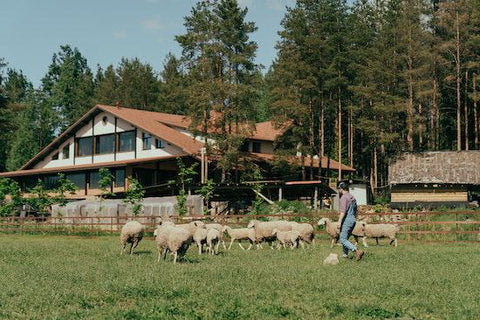
Other Considerations for Choosing Your Homestead Property
Beyond acreage, several other elements will impact your success:
- Access to Utilities: Even off-grid properties may benefit from proximity to roads or emergency services.
- Community and Support: Some people prefer isolation, while others value being near like-minded neighbors or local markets.
- Health and Safety: Prepare for medical emergencies by reading about off-grid medical preparedness.
- Legal and Financial: Research property taxes, building codes, and land use restrictions before buying.
- Long-Term Sustainability: Consider how your land will support your needs as you age or as your family grows.
For more inspiration and modern approaches, explore modern off-grid homesteading to see how technology and tradition can work together.
Expert Tips for Maximizing Your Land
- Start Small: Begin with manageable projects and expand as you gain experience.
- Use Vertical Gardening: Grow more food in less space with raised beds and trellises.
- Rotate Livestock: Practice rotational grazing to improve soil and pasture health.
- Harvest Rainwater: Collect and store rainwater for irrigation and household use.
- Invest in Quality Tools: Well-made tools and infrastructure save time and effort.
For more insights on the philosophy and practicalities of this lifestyle, see this comprehensive guide to living off-grid and homesteading.
Frequently Asked Questions
What is the minimum land size for a basic off-grid lifestyle?
For a single person or couple, as little as 1/4 to 1 acre can support a small home, garden, and a few chickens. However, more space is needed for greater self-sufficiency or livestock.
How much land is needed to grow enough food for a family?
A family of four typically needs at least 1–2 acres for gardens, fruit trees, and small livestock. For full independence, 5–10 acres is often recommended, depending on climate and soil.
Can you live off-grid legally on any parcel of land?
Not all land is zoned for off-grid living. Always check local laws, building codes, and restrictions before purchasing. For more details, refer to the can you live off-grid legally article.
Is it better to buy more land than you need?
While extra space offers flexibility and privacy, it also means more maintenance and higher costs. Start with what you can manage and expand if needed.
What are the most important features to look for in off-grid land?
Prioritize water access, fertile soil, good sun exposure, and legal permission for your intended uses. Proximity to resources and community can also be valuable.