The quest for energy efficiency in our homes is more important than ever. As the world focuses on sustainability, it becomes crucial to consider how our homes contribute to our carbon footprint. This energy-efficient homes guide will help you understand the steps involved in transforming your living space into a haven of sustainability.
The Importance of Energy-Efficient Homes
With rising energy costs and growing environmental concerns, creating energy-efficient homes is not just a trendit’s a necessity. By reducing energy consumption, homeowners can save money and reduce their environmental impact. Implementing energy-efficient solutions is not just beneficial for your wallet; its essential for the planet.
Understanding Energy Efficiency
Energy efficiency refers to using less energy to perform the same tasks, thereby eliminating energy waste. An energy-efficient home maximizes energy usage while minimizing wastage, contributing to cost savings and environmental protection.
Benefits of Energy-Efficient Homes
- Cost Savings: Reduced energy bills make it easier to manage household budgets.
- Environmental Stewardship: Lower energy consumption means a reduced carbon footprint.
- Enhanced Comfort: Proper insulation and design keep homes comfortable year-round.
- Increased Property Value: Energy-efficient homes are attractive to buyers looking for sustainable living options.
Steps to Create an Energy-Efficient Home
1. Conduct an Energy Audit
Start by evaluating your current energy use. An energy audit will identify areas where energy is being wasted and suggest improvements.
2. Insulation Improvements
Proper insulation is critical to maintaining efficient indoor temperatures. This reduces the need for excessive heating or cooling, thereby saving energy and money.
3. Upgrade Windows and Doors
Ensure your windows and doors are well-sealed and consider double-glazing to prevent heat loss.
4. Efficient Lighting Enhancements
Switch to LED lighting, which uses significantly less energy than traditional incandescent bulbs.
5. Install Solar Panels
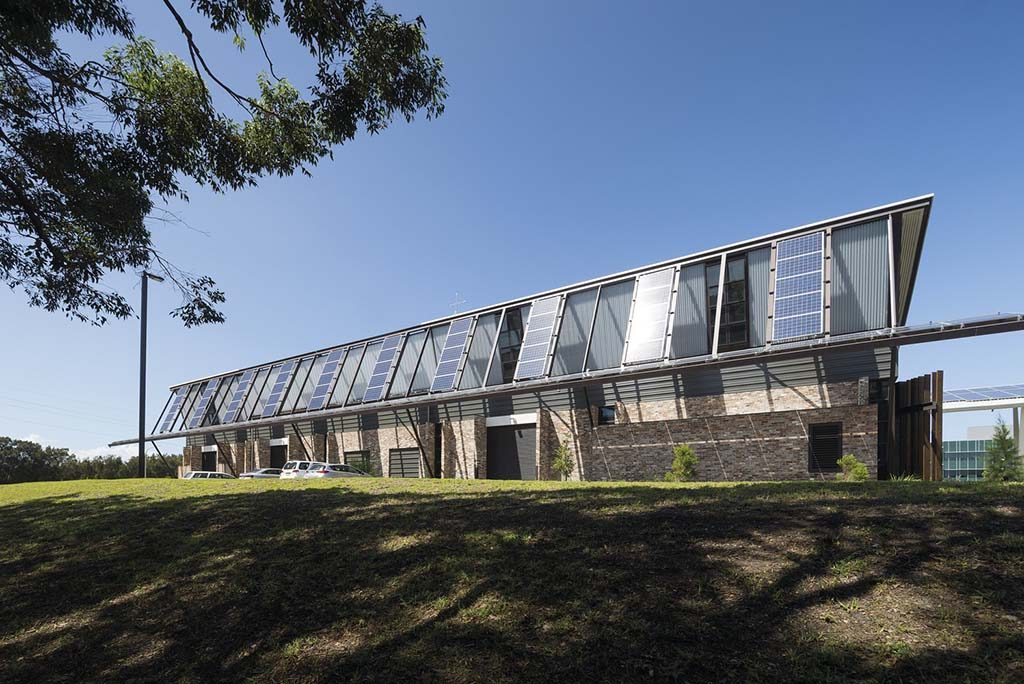
Solar energy is a renewable power source that can dramatically cut energy costs. Learn how to incorporate solar into your homes energy plan for maximal efficiency.
6. Consider Energy-Efficient Appliances
Appliances can be a significant source of energy use. Investing in modern, energy-efficient models is a key strategy in cutting down your home’s power usage.
The Role of Technology in Energy Efficiency
Smart Home Technology
Smart thermostats and energy management systems can optimize how much energy your home uses, based on the time of day and your routines.
Monitoring Systems
Install systems to track energy usage and identify the sources of waste in real-time, making it easier to make informed decisions on improvements.
Challenges of Building Energy-Efficient Homes
Initial Investment Costs
Building or upgrading to an energy-efficient home can be expensive upfront, but the long-term savings and environmental benefits justify the initial costs.
Continuous Maintenance
Maintaining an energy-efficient home involves ongoing commitment to monitoring and updating home systems for maximum efficiency.
How Builders Can Help
Partnering with experts in green building strategies and qualified builders can help ensure that every aspect of new home construction meets the highest standards of efficiency.
FAQs
Why are energy-efficient homes important?
They are crucial for reducing environmental impact and saving costs on energy bills.
What is the biggest challenge in making a home energy-efficient?
One of the biggest challenges is the upfront cost, though it pays off over time with savings.
Can older homes be made more energy-efficient?
Yes, through retrofitting and upgrades, older homes can significantly increase their energy efficiency.
This article contains affiliate links. We may earn a commission at no extra cost to you.